





The Ross Fire, which has spread across Palo Pinto and Jack counties, has now become the second-largest wildfire recorded in North Texas, engulfing a staggering 85,000 acres. Recent updates indicate that the fire is currently 26% contained.
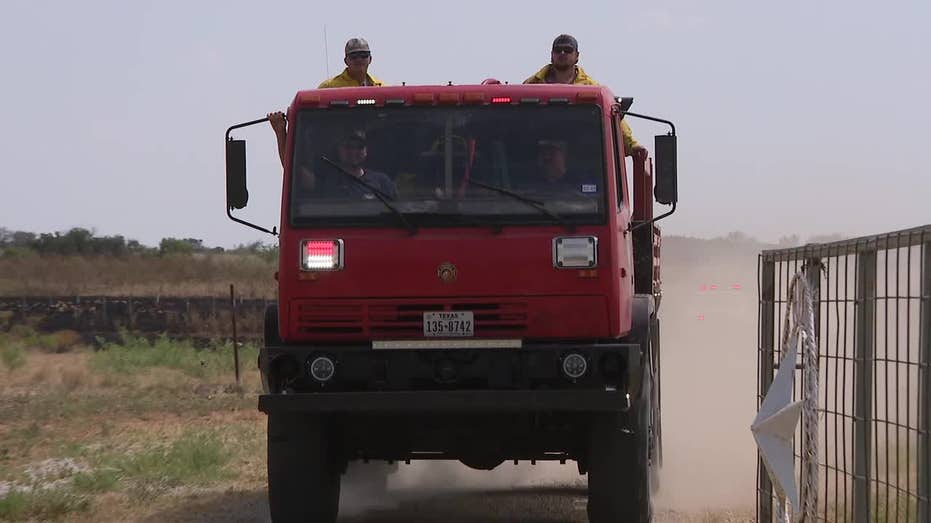
Hundreds of firefighters and volunteers are actively engaged in combating the blaze, which has significantly impacted the region’s landscape. The wildfire’s size is comparable to five times that of DFW International Airport, highlighting its vast reach.
On Thursday, improved weather conditions aided firefighting efforts, allowing crews to make some headway against the flames. Mineral Wells Fire and EMS shared footage showing their personnel working alongside other departments, including aerial support from water-dropping planes. Bulldozers have also been deployed to clear debris, facilitating ongoing operations.
Utility crews are working diligently to maintain power in the area, where the fire has damaged numerous power poles. United Cooperative Services reported that 325 poles have been affected, with roughly half of them already replaced.
As of now, the cause of the fire, which ignited near Highway 180 in Palo Pinto, remains unknown. Officials have not provided a definitive timeline for when the fire will be fully contained, citing the unpredictability of weather conditions, wind patterns, and humidity levels. Fortunately, there have been no reported injuries.
One notable casualty of the fire is a popular ranch and vacation spot in Palo Pinto County, which suffered extensive vegetation loss. However, dedicated volunteer firefighters were able to protect many of the structures on the 188-acre property. The ranch manager, Dominic Derosa, expressed deep concern over the damage, estimating that the fire has caused millions of dollars in losses. He reflected on the effort put into maintaining the property over the past five years, emphasizing the long road ahead for recovery.
In response to the disaster, volunteers have been rallying to support the firefighting efforts. At a church near Possum Kingdom Lake, which has been transformed into a command post, firefighters have received significant donations of food and water. However, monetary contributions are now being sought to purchase essential firefighting equipment and supplies.
Various organizations throughout the Dallas-Fort Worth metroplex are also collecting funds to assist affected families, displaced pets, and livestock. Community support remains crucial as the area grapples with the aftermath of this devastating wildfire.