








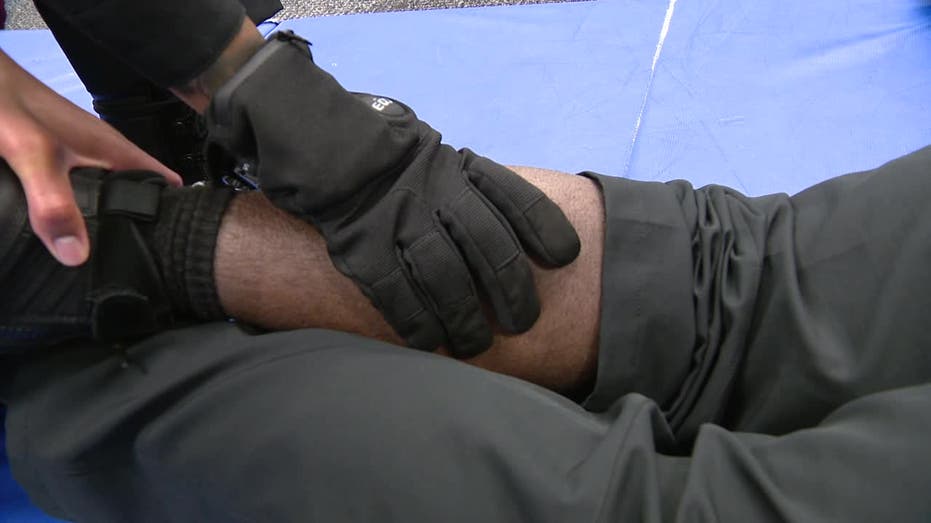
Immigration and Customs Enforcement (ICE) is set to adopt electric shock gloves currently utilized at the Tarrant County Jail, a move that has sparked significant debate. These gloves, designed to emit an electric shock to gain compliance from individuals who resist, will soon be in the hands of ICE agents.
The agency has finalized a $16.7 million contract with Compliant Technologies LLC, a manufacturer based in Kentucky. This agreement includes the procurement of 6,000 gloves along with necessary support equipment and services over the next six months.
The gloves function as standard patrol gear until an officer activates their electric mode by pressing a button. For the shock to take effect, the gloves must be applied directly to a person’s skin, with the intent of causing pain to encourage compliance.
However, the decision to purchase these gloves comes on the heels of a plea from several U.S. senators, led by Senator Catherine Cortez Masto of Nevada, who urged ICE to reconsider its plan. Concerns have been raised by civil rights organizations regarding the implications of using such tools.
At the Tarrant County Jail, where the gloves have been deployed for over a year by trained supervisors, their effectiveness has been highlighted. Sheriff Bill Waybourn stated that the gloves have been used successfully in various instances without resulting in injuries to officers or suspects. He believes that the gloves could serve a purpose beyond the jail environment, suggesting their potential benefits for law enforcement, including ICE.
Waybourn emphasized that the gloves provide a means to ensure compliance while minimizing the risk of serious injuries during confrontations with noncompliant individuals. The sheriff’s confidence in the gloves stems from their application in a facility that accommodates up to 5,000 inmates.
As ICE prepares to integrate this controversial equipment, the ongoing dialogue surrounding the use of electric shock devices in law enforcement continues to unfold, reflecting broader concerns about civil rights and the methods employed in policing.