








Discovering Dallas: Cultural Riches in the Heart of Texas
Dallas, Texas, is renowned as a bustling metropolis, but it is also a treasure trove of cultural history and artistic expression. Home to some of the most notable museums and cultural centers in the United States, Dallas offers a rich tapestry of experiences for art enthusiasts, history buffs, and casual visitors alike. From the monumental to the intimate, the city’s diverse cultural landscape ensures that there is something captivating for everyone.
As one of the fastest-growing cities in the country, Dallas has placed a strong emphasis on its cultural institutions, investing heavily in the arts and education. The city’s commitment to preserving its heritage while fostering innovative art forms plays a pivotal role in its identity. This article explores the top museums and cultural centers in Dallas, highlighting the unique experiences they offer.
The Dallas Museum of Art
The Dallas Museum of Art (DMA) is one of the largest art museums in the United States, boasting a remarkable collection that spans over 5,000 years of human creativity. With more than 24,000 works of art, the museum charts the history of art through several significant periods and cultural touchstones. This expansive museum is not only a cornerstone of Dallas’s cultural heritage but also a hub of education and community engagement.
Visitors will appreciate the museum’s incredible diversity, featuring collections that include American art, European masterpieces, contemporary works, and artifacts from Africa, Asia, and the Americas. Highlights include pieces by renowned artists like Vincent van Gogh, Georgia O’Keeffe, and Jackson Pollock, which breathe life into the museum’s galleries. The DMA’s collection is continuously expanding through acquisitions and loans, ensuring that no visit is ever the same.
Beyond its impressive collection, the DMA hosts a variety of events, ranging from art classes to lectures and exhibitions. It also prioritizes accessibility, offering free general admission, making art available to everyone. The museum’s commitment to the community is evident through its outreach programs and collaborations with local schools, encouraging students to engage with the arts through firsthand experiences.
Exhibitions and Programs
The Dallas Museum of Art regularly presents temporary exhibitions that showcase emerging and established artists. These exhibitions often include interactive elements, allowing for deeper engagement with the artworks on display. Programs like “Arts & Letters Live” combine literature with art, featuring authors reading their works in dialogue with visual pieces from the museum’s collection. Families are also catered to, as the DMA offers engaging children’s programs and workshops specifically designed to inspire creativity in young minds.
A visit to the DMA provides an opportunity to explore their state-of-the-art facilities, including a compelling restaurant and a shop filled with art-related merchandise, publications, and unique gifts. Whether you’re an art aficionado or a casual observer, the Dallas Museum of Art has something to capture your interest and imagination.
The Sixth Floor Museum at Dealey Plaza
Steeped in historical significance, The Sixth Floor Museum at Dealey Plaza serves as a sobering reminder of one of America’s most tragic events: the assassination of President John F. Kennedy. Situated in the former Texas School Book Depository, this museum not only chronicles the life of JFK but also provides insight into the broader context of the 1960s in America.
The museum’s exhibits cover the life and legacy of President Kennedy through photographs, artifacts, and video displays. Visitors are invited to walk through the very area where Lee Harvey Oswald allegedly fired the fatal shots. The museum skillfully blends narrative with visual storytelling, allowing guests to engage with the turbulent history of the era. The emotional weight of the exhibits fosters a sense of reflection, making this a must-visit for those interested in American history.
In addition to its permanent exhibits, The Sixth Floor Museum hosts traveling exhibitions and a variety of public programs that engage the community in discussions about history and memory. These programs often feature expert speakers, panels, and workshops that delve into aspects of JFK’s life and the historical events surrounding his presidency.
Community Engagement
The museum also plays a critical role in remembrance and education, working with schools and community groups to promote a deeper understanding of historical narratives and their implications today. Through guided tours, workshops, and interactive displays, The Sixth Floor Museum continually seeks to foster an environment where history is not only preserved but actively discussed and debated.
For many visitors, the experience is not just about viewing artifacts; it’s about understanding how events can shape a nation’s identity. The combination of poignant storytelling and educational outreach ensures that The Sixth Floor Museum remains relevant in contemporary discourse. This reflective experience makes it an essential stop in Dallas for anyone wishing to grasp the complexities of 20th-century America.
The Nasher Sculpture Center
When it comes to exploring contemporary art and sculpture, the Nasher Sculpture Center stands out as an essential destination. Nestled in the heart of the Dallas Arts District, this world-class museum houses a stunning collection of over 300 modern and contemporary sculptures from renowned artists including Pablo Picasso, Henry Moore, and Louise Bourgeois.
The Nasher Sculpture Center is unique for not only showcasing sculptures indoors but also for integrating natural elements with its picturesque outdoor garden. The serene environment makes it a pleasant retreat from the bustle of the city. This combination of indoor and outdoor spaces allows guests to appreciate the art in various contexts, inviting reflection and interaction with the sculptures’ physical presence and surroundings.
Additionally, the Nasher hosts a dynamic range of exhibitions, performances, and educational programs aimed at engaging the community. Whether you’re an experienced art lover or a newcomer to the art scene, the Nasher provides something for everyone through its thoughtful programming and diverse exhibitions.
Art in the Community
The Nasher Sculpture Center also emphasizes accessibility to the arts through free admission on select days and family-friendly programming, ensuring that high-quality art experiences are available to all members of the community. The center’s educational initiatives include engaging workshops, guided tours, and discussions that enhance understanding of the significance of contemporary sculpture and its impact on culture and society.
Annual events such as “Summer Sculpture” encourage families to explore art together while free community days draw in thousands of visitors. This commitment to accessibility and education makes the Nasher Sculpture Center a vital institution within Dallas’s vibrant cultural framework, inspiring new generations to appreciate and engage with art.
The Perot Museum of Nature and Science
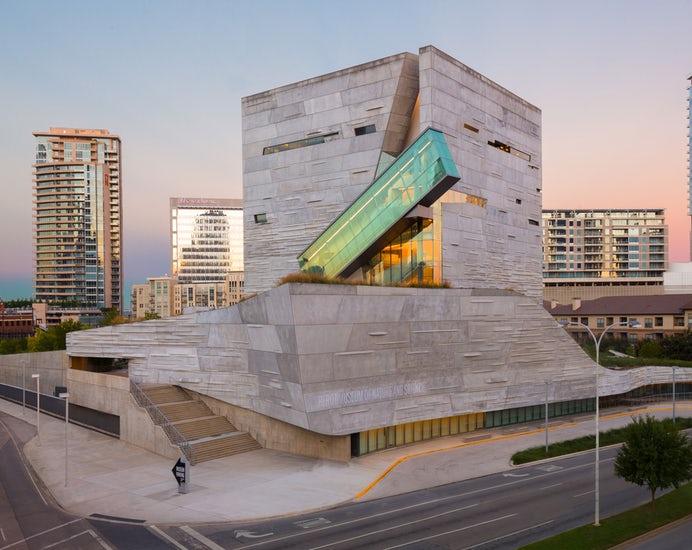
The Perot Museum of Nature and Science offers a thrilling fusion of education and entertainment for visitors of all ages. This state-of-the-art facility, designed by acclaimed architect Thom Mayne, features interactive exhibits and immersive experiences that span various branches of science, from paleontology to space exploration.
At the Perot Museum, curiosity is key. With five floors filled with hands-on exhibits and stunning displays, visitors can discover the wonders of the natural world. Highlights include dinosaur skeletons, an earthquake simulator, and a 3D theater that showcases educational films on nature and science. The museum’s focus on interactivity means that guests can engage with science in a way that is both fun and informative, making it an ideal destination for families.
Moreover, the Perot Museum recognizes its role in education, with programs designed to enhance classroom learning. It partners with schools to provide resources and field trip opportunities that align with educational standards. Coding and robotics workshops, as well as science camps, encourage students to develop their passion for science, technology, engineering, and math (STEM).
An Exciting Learning Environment
Throughout the year, the Perot Museum hosts special exhibitions that feature both local and international discoveries. These rotating exhibits, coupled with a permanent collection, ensure that returning visitors always have something new to explore. The museum’s commitment to inspiring a love of learning continues to attract visitors from all around the Dallas-Fort Worth area and beyond.
In a city celebrated for its forward-thinking attitude and innovation, the Perot Museum of Nature and Science embodies the spirit of discovery and creativity. Its engaging exhibits invite everyone—from budding scientists to curious adults—to delve deeper into the mysteries of our world, making it an indispensable part of Dallas’s cultural landscape.
Dallas Holocaust and Human Rights Museum
Located in the historic West End district, the Dallas Holocaust and Human Rights Museum serves as a powerful reminder of the struggles for justice and human dignity faced throughout history. The museum aims to educate the public about the Holocaust while shedding light on the importance of human rights today.
Through carefully curated exhibits, the museum narrates the harrowing stories of survivors and highlights significant historical events surrounding the Holocaust. The focus is not solely on the past; it promotes an understanding of the implications of hatred, intolerance, and the ongoing fight for human rights. Educational programs and community outreach initiatives foster dialogue on these crucial issues, encouraging visitors to reflect on their roles in promoting justice.
Apart from its permanent exhibits, the museum organizes guest lectures, discussions, and special events that further engage the community in dialogues about human rights. These programs make it accessible to everyone, allowing for meaningful discussions surrounding the importance of remembrance and advocacy in contemporary society.
Memorializing the Victims
The Dallas Holocaust and Human Rights Museum stands as a beacon of hope and resilience, memorializing the victims of the Holocaust while inspiring visitors to take action against injustice today. By fostering a community deeply informed about human rights, the museum plays a vital role in shaping the moral compass of present and future generations. Through its interactive displays and heartfelt narratives, it encourages each visitor to commit to a world where dignity and respect prevail.
For anyone interested in understanding the lessons of the past and their relevance in today’s society, the museum is an unmissable experience that inspires action and reflection.
Final Thoughts on Dallas’s Cultural Landscape
Dallas boasts a vibrant and diverse array of museums and cultural centers, all contributing to the rich narrative of the city. Each of these institutions offers unique experiences that engage, educate, and inspire visitors. From stunning art collections at the Dallas Museum of Art to the poignant historical experiences at The Sixth Floor Museum and beyond, the cultural landscape of Dallas remains a testimony to the city’s commitment to the arts and education.
Whether you are a local resident or a visitor, the museums in Dallas not only enrich the understanding of our shared history and cultures but also foster a sense of community and inclusivity. In a world that often feels divided, these institutions remind us of the importance of art, history, and education as pathways to a more empathetic and informed society. Exploring these cultural gems in Dallas promises a rewarding experience that will resonate long after your visit.
With each museum playing a crucial role in the community, Dallas continues to evolve as a cultural beacon, gaining recognition for its contributions to art and social consciousness. By engaging with these cultural centers, visitors can find both enlightenment and inspiration that contributes to a greater understanding of the world around them.