





The Vibrant Art Scene of Dallas, Texas
Dallas, Texas, known for its cultural diversity and dynamic economy, is also a burgeoning hub for art installations and public murals. The city’s streets serve not only as thoroughfares for vehicles and pedestrians but also as a canvas for artists looking to express their creativity and tell stories that reflect the community’s rich heritage. This transformation of urban spaces into art showcases Dallas’s commitment to enhancing its cultural landscape.
As public art continues to gain traction across the United States, Dallas stands out with its eclectic mix of modern and traditional influences. Local artists, city officials, and community organizations collaborate to make art accessible and inclusive, ensuring that every resident and visitor can engage with creative expressions. From grand murals on the sides of historic buildings to innovative installations in parks, Dallas’s art scene contributes to the city’s identity, personality, and allure.
The Evolution of Public Art in Dallas
The evolution of public art in Dallas can be traced back to the mid-20th century, when the city began to embrace the idea of enhancing public spaces. Initially, art in Dallas was predominantly concentrated in galleries and museums. However, as urban populations grew and the need for sustainable development increased, the city recognized the potential of public art to facilitate community engagement and beautify neighborhoods.
One of the pivotal moments in this evolution was the establishment of the Dallas Arts District in the late 1970s. This area has since become a cornerstone for artistic expression, playing host to several key institutions such as the Dallas Museum of Art and the Nasher Sculpture Center. The Arts District has significantly influenced the city’s approach to public art, highlighting the compatibility of commerce and creativity.
The shift towards integrating art into public spaces gained momentum in the 1990s, thanks to the City of Dallas Office of Cultural Affairs. The office initiated several programs that funded public art projects, including a requirement that a percentage of funds from city-funded construction projects be allocated to art. This policy has resulted in a diverse array of public art pieces scattered throughout the city, enriching the urban experience.
Community Involvement and the Impact of Art
Community involvement plays a critical role in the success of public art initiatives in Dallas. Local artists often collaborate with residents to create pieces that resonate on a personal level, fostering a sense of identity and pride within neighborhoods. One notable example is the South Dallas Cultural Center, which has become a vital space for showcasing African American art and culture. The center frequently features community-driven mural projects that celebrate local history and voices.
The impact of these initiatives extends beyond aesthetics. Public art has been shown to enrich local economies by attracting tourists and increasing foot traffic in commercial areas. For instance, the Deep Ellum district is renowned for its colorful murals and street art, which draw visitors looking to experience the unique vibe of the area. The presence of vibrant art has transformed the district into a hotspot for local businesses, artists, and musicians.
Moreover, art also plays a therapeutic role in communities grappling with social issues. Murals created in response to significant events—such as those honoring victims of violence or celebrating cultural milestones—help foster dialogue and healing. As such, Dallas’s proactive stance on public art not only beautifies the city but also supports community welfare and cohesion.
Iconic Art Installations and Mural Locations
Dallas is home to an impressive portfolio of iconic art installations and murals that reflect various themes and artistic styles. From large-scale works that command attention to smaller, hidden gems, there is something for every art enthusiast to discover. Here are some notable locations that embody the city’s vibrant art scene:
Klyde Warren Park
A gem in the heart of Dallas, Klyde Warren Park is a 5.2-acre urban park that serves as a public space connecting the downtown area with the arts district. The park is not just a green oasis amid a concrete jungle; it is also a showcase for public art. Various installations dot the landscape, including striking sculptures and interactive art pieces that invite visitors to engage with their surroundings.
The park also organizes events and performances that emphasize local talent, allowing artists to present their work to a wider audience. The blend of natural beauty and artistic expression makes Klyde Warren Park a must-visit for anyone seeking to experience Dallas’s cultural offerings.
Deep Ellum’s Murals
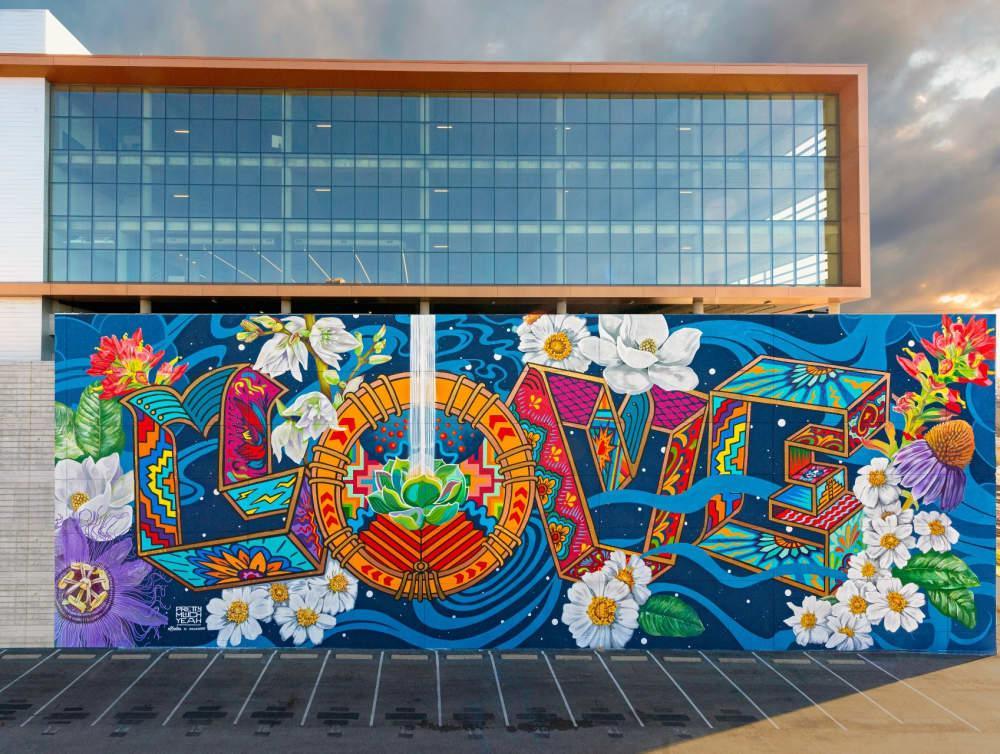
Deep Ellum is perhaps the most famous district for street art in Dallas, with murals that reflect the area’s rich musical history and diverse community. Artists from within and outside Dallas have transformed walls into captivating narratives, showcasing everything from bold colors to intricate designs. Spots like the “All My Friends Are Dead” mural and the vibrant floral pieces contribute to the area’s bohemian charm.
Walking through Deep Ellum is akin to stepping into an open-air gallery, where each mural tells a story and reflects the cultural fabric of the city. Local businesses often embrace these artworks, incorporating them into their marketing strategies and effectively transforming the neighborhood into a thriving art district.
The Cedars and the “Greetings from Dallas” Mural
Located in the Cedars neighborhood, the “Greetings from Dallas” mural is a popular tourist attraction that captures the essence of the city in a celebration of the local culture and spirit. This mural, completed in 2014, invites visitors to snap photos with the iconic design that features recognizable landmarks from around Dallas, promoting both the city’s identity and tourism.
As a community-driven initiative, the mural has since spawned similar projects that enhance public spaces, promoting art as a means of communication and expression. Such projects emphasize the importance of maintaining Dallas’s cultural pride while inviting community engagement and participation.
Challenges and Opportunities for Public Art Initiatives
Despite the successes, the public art scene in Dallas faces challenges that require ongoing dialogue and strategic planning. One primary concern is the preservation and maintenance of existing artworks. With environmental factors and urban development constantly at play, some installations are at risk of damage or removal. Collaborative efforts between artists, city planners, and community stakeholders are essential in ensuring that beloved pieces remain part of the cityscape.
Another challenge is the equitable distribution of public art throughout the city. While areas like Deep Ellum and the Arts District are saturated with vibrant works, other neighborhoods may lack access to such artistic expressions. Addressing this gap requires intentional initiatives to involve underrepresented communities in the public art conversation, ensuring that all citizens feel a sense of ownership over their local artistic landscape.
However, these challenges also present opportunities for growth and innovation. By launching educational programs that teach the community about public art and its impact, city officials can foster greater appreciation and participation in the artistic process. Additionally, platforms for local artists to showcase their work can further enhance Dallas’s cultural tapestry, leading to exciting new public art projects that encapsulate the city’s evolving identity.
The Role of Technology in Public Art
As technology advances, so too does the potential for public art to evolve. Interactive installations that incorporate digital components are gaining popularity, providing unique experiences for viewers. Screen-based art, augmented reality (AR) apps, and interactive murals can engage the audience in new ways, offering a blend of artistic expression and technology that reflects contemporary trends.
Moreover, technology plays a crucial role in promoting public art to a wider audience. Social media platforms enable artists to share their works and attract attention, while virtual reality (VR) experiences can immerse viewers in the art world from the comfort of their homes. Dallas’s commitment to innovation can lead to a future where art is not only accessible but also interactive and engaging on multiple levels.
Looking Ahead: The Future of Public Art in Dallas
The future of public art in Dallas is bright, with a promise for continued collaboration between artists, community members, and city officials. As the city prepares for growth, its artistic identity will likely evolve, further enriching the cultural narrative that Dallas represents. The integration of public art into new developments offers opportunities to blend aesthetics with functionality, creating spaces that encourage creativity and community gathering.
Emerging artists are being given platforms to showcase their talents alongside established figures, fostering a diverse artistic landscape that invites experimentation and innovation. The revitalization of underrepresented neighborhoods through public art projects can enhance civic pride and celebrate cultural heritage. As long as Dallas maintains its commitment to inclusivity and creativity, public art will remain a foundational element of the city’s identity.
The collaboration between various stakeholders—residents, artists, nonprofits, and the city itself—will determine the trajectory of public art in Dallas. By actively involving the community in artistic initiatives, the city can ensure that its public spaces reflect the true spirit of Dallas, showcasing the rich tapestry of cultures that make it unique.
As Dallas continues to grow and transform, its public art will reflect the voices, stories, and dreams of its people. The streets will remain vibrant, colorful, and expressive, inviting all who visit to partake in a shared cultural experience that celebrates the heart and soul of this incredible city.