








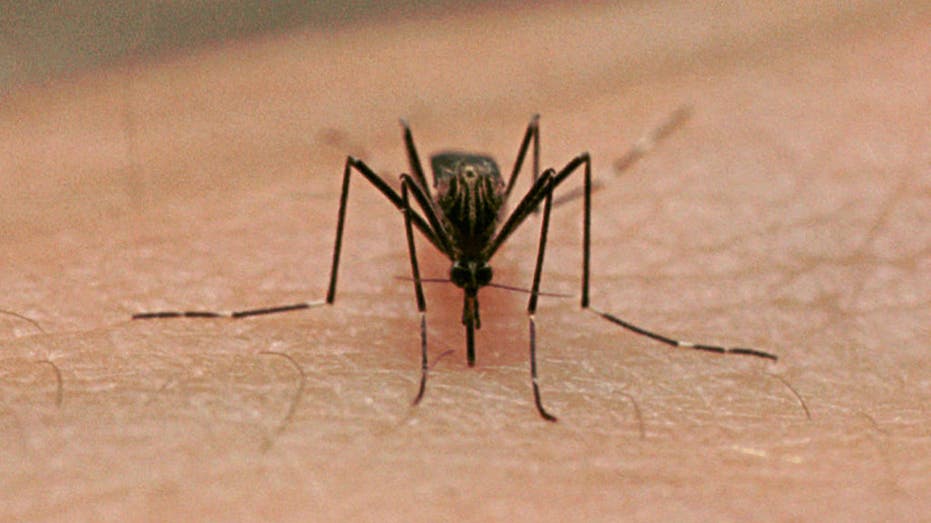
Tarrant County has confirmed the presence of its first West Nile Virus-positive mosquito samples for 2026, signaling the start of the season for this mosquito-borne illness. The infected samples were collected from areas in Fort Worth and Grand Prairie.
As of now, no human cases have been reported, but health officials are urging residents to take necessary precautions against mosquitoes. The Tarrant County Public Health (TCPH) department announced that these samples were identified during routine surveillance efforts across the county.
This year, TCPH has tested a total of 314 mosquito samples at its North Texas Regional Laboratory, with the recent findings marking the initial positive identification of the virus. Typically, West Nile Virus activity begins to increase around this time and remains prevalent until October. Local municipalities and unincorporated areas may implement mosquito control measures as deemed necessary.
Understanding West Nile Virus
West Nile Virus (WNV) is primarily transmitted to humans through mosquito bites. While the majority of infected individuals may remain asymptomatic, approximately 20% may experience symptoms such as fever, headache, body aches, or joint pain. In rare instances, the virus can lead to severe neurological illnesses. Fortunately, there have been no reported human cases of WNV in Tarrant County for the current season.
Preventative Measures
In response to the confirmed cases, TCPH recommends several strategies for residents to minimize mosquito presence and breeding sites around their homes:
- Apply insect repellent approved by the EPA when outdoors.
- Wear loose-fitting long sleeves and pants, particularly during dawn and dusk when mosquitoes are most active.
- Eliminate or treat standing water on your property using larvicides like mosquito dunks.
- Stay indoors during peak mosquito activity hours whenever possible.
For more detailed information about West Nile Virus and additional preventive measures, residents are encouraged to visit the West Nile Virus webpage maintained by TCPH.