







KERR COUNTY — Alicia Baker finds it difficult to tidy up her daughter’s room. Eleven-year-old Madelyn “Emmy” Jeffrey left behind a mess of craft supplies in their San Antonio home before embarking on a trip to the Guadalupe River with her grandparents, where they tragically drowned in a flood last Fourth of July. A year later, that pile of belongings still remains.
Baker, who now wears a diamond crafted from her daughter’s ashes, shared that the clutter helps her cope, allowing her to imagine that Emmy is simply away at camp or traveling. “If all of her things are gone, then I can’t rationalize that anymore,” the 43-year-old expressed.
On July 4 of last year, the Guadalupe River transformed into a violent torrent, leaving a trail of devastation in its wake. Baker’s daughter and parents perished alongside 116 others in Kerr County, all while staying at their one-bedroom vacation home by the river.
The flood uprooted ancient cypress trees that had long shaded the water where families once gathered. It swept away vehicles and entire homes, leading one observer to remark that the area resembled a war zone.
Almost a year later, despite extensive cleanup and rebuilding efforts, the community continues to grapple with the physical and emotional scars left behind. The Federal Emergency Management Agency (FEMA) approved just over 20% of the thousands of assistance applications from Kerr County, according to a nonprofit organization tracking the data. Meanwhile, a local community foundation has allocated millions to aid those in acquiring new homes or RVs or rebuilding their properties, while others still ponder their next steps with their land.
Signs of Recovery
Signs of normalcy are beginning to surface: Crider’s Rodeo and Dance Hall has been rebuilt in time for its 101st summer season. The Hunt post office, which lost even its 1,400-pound safe, is being restored, and the Ingram Little League has new playing fields. Summer camps have reopened, welcoming children eager to create new memories, despite the tragic loss of 27 girls at Camp Mystic during the flood.
Residents have returned to the river for fishing, kayaking, and recreation. However, reminders of the flood persist. The iconic Hunt Store and River Inn remain closed, and Camp Mystic recently filed for bankruptcy. To enhance safety, more than 90 new flood warning sirens funded by Camp Mystic’s directors have been installed, alongside six sirens expected to be financed by state funds.
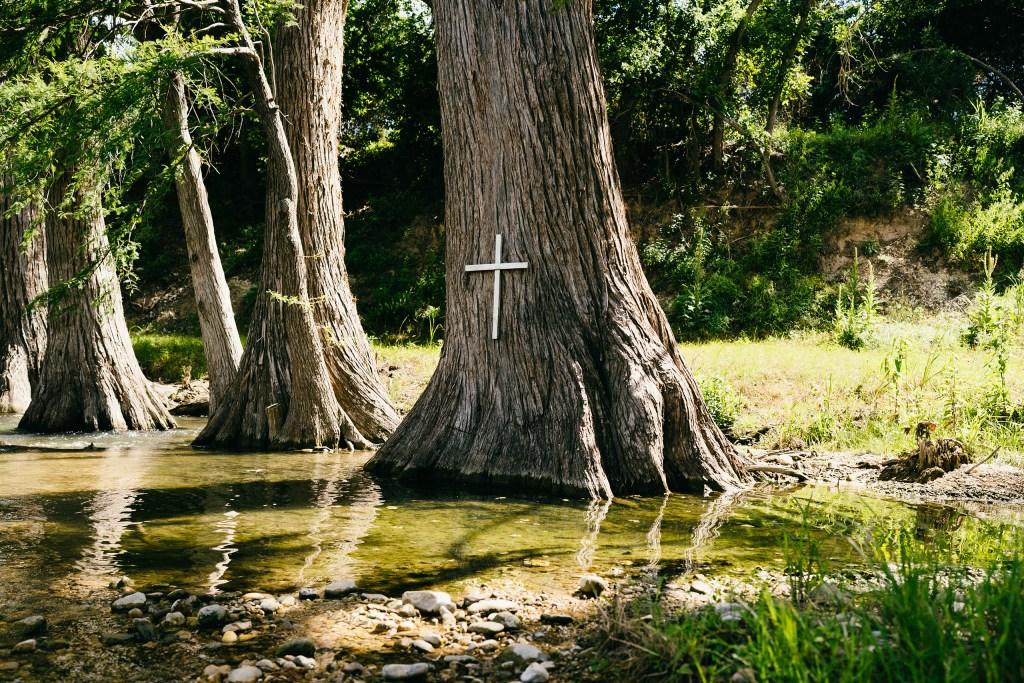
Many community members report feelings of anxiety during rainstorms, haunted by the sounds of that fateful night. Signs around town ask, “Y’ALL OK?” to encourage residents to seek help. Grief weighs heavily on those who lost loved ones, while banners bearing the name of camp director Jane Ragsdale, a victim of the flood, urge others to “Live Like Jane.” Small crosses along the river mark the spots where some campers were found.
“We are not recovered,” stated Austin Dickson, CEO of the Community Foundation of the Texas Hill Country. “We are in recovery, and there is much more work to be done.”
Living with Loss
Each individual has navigated their grief in unique ways. Joseph Rounsley, 40, found solace in his work at a taxidermy supply store, where he has been involved since childhood. However, he still grapples with the traumatic memory of watching his brother, 27-year-old Julian Ryan, die during the flood while their mother desperately tried to save him through a FaceTime call.
Trapped in a mobile home near the river with family as floodwaters rose, Julian attempted to rescue them, but succumbed to his injuries. “I watched him say he loves us, he’s not going to make it,” Rounsley recalled.
Now, Rounsley faces life without his athletic brother, who adored hot wings and cheering at football games. After the flood damaged his own home, he and his son moved in with their mother, seeking refuge in a donated Airbnb. As they slowly rebuilt their lives, Rounsley has hung a portrait of Julian in their new home, while acknowledging they will never celebrate Independence Day again.
Resilience and Rebuilding
In Ingram, Lorena Guillen, 55, and her husband are navigating their own path to recovery. They had successfully operated an RV park and restaurant until the flood struck. Guillen recalls the joyful atmosphere just before the holiday, only to be awakened by the chaos of the rising river on July 4.
With their community shattered, Guillen felt a deep sense of anger and frustration as she watched her thriving business and community disappear. After relocating, she contemplated transforming the former RV park into an amphitheater and flea market, a way to start anew while preserving the beauty of the area.
Others, like James Trolinger and Brenda Espinoza, chose to rebuild on land that has been in Trolinger’s family for over a century. Despite the flooding, they committed to restoring their home and life together, refusing to succumb to fear. “I can’t keep living in fear,” Espinoza asserted.
Hope on the Horizon
As communities continue to heal, some have found ways to embrace hope. Michelle “Coach” McGuire, who survived the flood, was rescued from a tree after being swept away by the river. Grateful for her life, she chose to stay and rebuild her community connections.
Businesses are also finding their footing again. The Secor siblings, Mandi and Neal, are working to restore their family’s riverside cabins, which have been in the family for generations. They are determined to preserve their legacy despite the challenges ahead.
At Crider’s Rodeo and Dance Hall, patrons have returned to celebrate life and community, marking a significant step towards recovery. Owner Tracy Moore reflected on the long journey back to normalcy, grateful for the support that has poured in from the community.
As summer camps like Camp Waldemar continue to thrive, there is a renewed sense of purpose among the locals. Meg Clark, the camp’s owner, emphasizes the importance of providing a safe haven for children away from the pressures of the world. “This has to keep going,” she said. “It has to keep going.”