









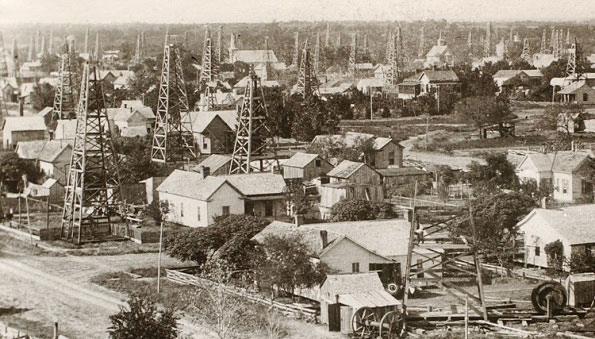
The Story of Texas Oil Towns
The history of Texas oil towns is a tale steeped in ambition, adversity, and the relentless drive for wealth that has shaped the Lone Star State since the late 1800s. With each strike of black gold, entire communities blossomed, transforming arid landscapes into booming hubs of activity. These towns became symbols of both opportunity and challenge, embodying the complexities of prosperity in a rugged environment. From humble beginnings to lavish lifestyles, the evolution of Texas oil towns illustrates a unique chapter in American history.
As the 20th century approached, Texas emerged as a leader in oil production, and towns like Spindletop and Odessa became household names. The excitement surrounding oil discovery brought people from all walks of life, creating a melting pot of cultures, ambitions, and dreams. However, this rapid development was fraught with challenges, including environmental impacts and booms and busts that would forever alter the landscape of these towns and their inhabitants.
The Birth of the Texas Oil Boom
The discovery of oil in Spindletop, near Beaumont, Texas, in 1901 marked the beginning of the oil boom that would soon sweep across the state. This pivotal event unleashed a frenzy of activity and investment that changed the socio-economic fabric of Texas forever. Spindletop’s Lucas Gusher, which spewed oil at a staggering rate of over 100,000 barrels a day, captured the imaginations of entrepreneurs and opportunists eager to cash in on the black gold rush.
Following Spindletop’s discovery, a wave of drilling commenced in various parts of Texas, notably in towns like Odessa, which quickly emerged as a key player in the oil industry. The influx of workers, along with the establishment of banks, restaurants, and entertainment venues, transformed these small towns into vibrant cities virtually overnight. People flocked to Texas from across the nation seeking fortunes, leading to a diverse population that created a unique cultural tapestry reflective of American society at the time.
However, this prosperity was not without its challenges. The rapid growth often outpaced infrastructure development, leading to issues such as inadequate housing and sanitation. Towns like McCamey and Pecos became overcrowded, and the demands on resources put a strain on local economies. Despite these challenges, the promise of wealth fueled the dreams of countless individuals willing to endure the hardships for a chance at prosperity.
A Rollercoaster of Prosperity and Struggle
The oil boom ushered in waves of prosperity that dramatically shaped the destinies of many Texas towns. The newfound wealth spurred the construction of extravagant homes, public buildings, and cultural institutions. Odessa, for example, saw the establishment of its first public library and several schools, which served to improve the quality of life and education for residents. However, this economic boom was often accompanied by an equally dramatic bust. The cyclical nature of the oil industry meant that towns could go from thriving to ghostly in a matter of years.
One of the most notable busts occurred in the 1930s during the Great Depression, which hit the oil industry particularly hard. Many oil workers faced unemployment as demand fell and production slowed, leading to an exodus from once-bustling oil towns. The great challenge for these communities was how to adapt to extreme fluctuations in their central economic resource. Towns like Ranger and Breckenridge, which had experienced explosive growth during the boom, saw dramatic declines, forcing residents to confront economic hardships and uncertainty.
With fluctuations in oil prices continuing throughout the century, Texas oil towns learned to navigate the ups and downs of the market. The unpredictability fostered a sense of resilience among residents. As older generations passed down stories of prosperity and struggle, the towns’ identities evolved, driven by an unyielding spirit to overcome adversity. This narrative is embedded in the fabric of Texas oil towns and continues to define their cultural landscape.
The Social Fabric of Oil Towns
The social dynamics within Texas oil towns were equally as complex as their economic situations. The convergence of diverse populations due to the oil rush led to a rich amalgamation of cultures, traditions, and lifestyles. Mexican, African American, and Anglo communities collaborated and contested within the evolving social sphere, creating unique social structures.
Moreover, the oil boom fostered a sense of community as people banded together to face common challenges. Fraternal organizations, churches, and social clubs played significant roles in uniting these diverse populations. Institutions such as the Knights of Pythias and Masonic Lodges influenced local politics and community development, promoting neighborliness among residents. This interaction created a social environment characterized by support and camaraderie, which was especially crucial during economic downturns.
The role of women in these communities cannot be overlooked either. With many men employed in the oil fields, women took on pivotal roles not only in maintaining households but also in participating actively in the workforce. This shift allowed women to pave their paths and transform gender roles in traditionally male-dominated sectors. Local women’s clubs and organizations emerged to support education and welfare initiatives that benefited entire communities, proof of resilience framed against the backdrop of a new economic reality.
The Environmental Impact of Oil Towns
While the discovery and extraction of oil have been economically beneficial for Texas, the environmental impact of these activities is a topic that warrants attention. The very essence of oil production—extraction, refining, and distribution—poses significant risks to the surrounding ecosystems. Oil spills, water contamination, and air pollution have marred landscapes that were once pristine, creating long-lasting repercussions for both the environment and public health.
Contamination of local water supplies and soil degradation have often raised concerns among residents, leading to increased activism and awareness about environmental issues. Communities increasingly demanded regulations and mitigation measures to protect natural resources. This grassroots activism led to the establishment of organizations dedicated to monitoring environmental impacts and holding oil companies accountable for their practices.
In recent years, there has been a growing recognition of the necessity to balance economic interests with environmental preservation. Efforts are underway in many Texas oil towns to transition toward sustainable practices and cleaner energy alternatives, demonstrating a willingness to adapt while honoring the rich history tied to the oil industry. The emergence of renewable energy projects serves as a reminder that while the black gold rush has defined Texas, the future may lie in balancing tradition with sustainability.
The Legacy and Evolution of Texas Oil Towns
The legacy of Texas oil towns is one of resilience, character, and a spirit of innovation that continues to drive the narrative today. As these communities face new challenges and opportunities, the historical context remains an essential part of their evolution. The stories of prosperity and struggle, along with the environmental impacts, have become vital lessons for current and future generations.
Several Texas oil towns, like Midland and Odessa, have not only persevered but also reinvented themselves in the face of economic fluctuations. They have diversified their economies by embracing technology and investing in education, healthcare, and tourism, which has allowed them to thrive even during downturns in the oil market. The cultural heritage established during the oil boom remains embedded in local traditions, contributing to vibrant community festivals and events that celebrate their unique histories.
Looking ahead, these towns are faced with the challenge of integrating sustainability into their economic models while preserving their historical identities. As oil production continues to evolve amidst concerns about climate change and fossil fuel dependency, Texas oil towns must navigate a path that honors their rich past while embracing a new future. The legacy of Texas oil towns serves as a testament to the enduring spirit of the people who built them and the lessons they impart for generations to come.