








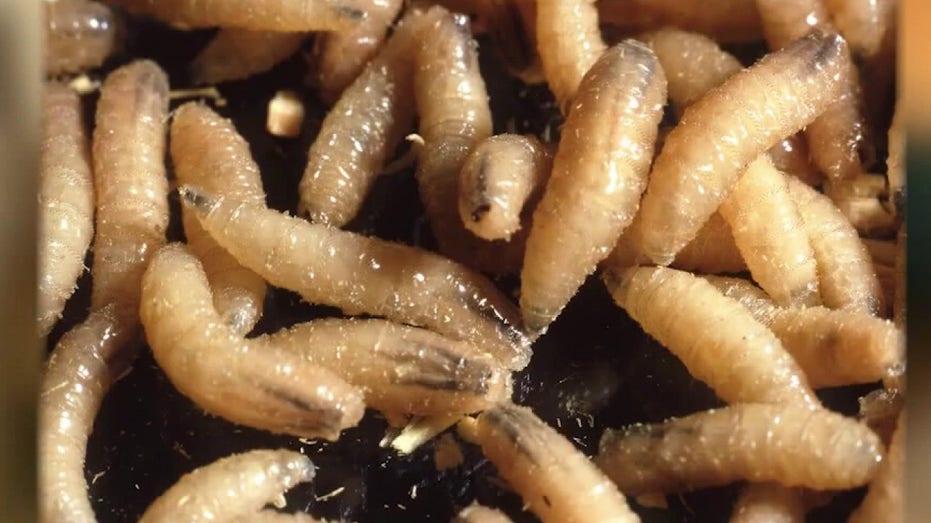
Animal welfare leaders and veterinarians across Texas are urging pet owners to stay alert amid a rising outbreak of the New World screwworm, a flesh-eating parasite that poses a significant threat to both livestock and companion animals.
As of July 2026, the U.S. Department of Agriculture has confirmed a total of 32 domestic cases, with 31 located in Texas and one in New Mexico involving a dog. Though the parasite primarily targets livestock, officials have highlighted that all warm-blooded animals, including pets, are at risk.
Mia Bendixsen, executive director of the Texas Humane Legislation Network, stated, “West, Central, and South Texas are affected by this,” indicating the regions under quarantine. The resurgence of this pest has led to operational challenges for animal shelters in Texas, many of which depend on out-of-state transport options to manage their pet populations effectively.
Due to the outbreak, several states, including New York, Florida, and Pennsylvania, have imposed complete bans on animal shipments originating from Texas. Additionally, states like Alabama, Maryland, and Massachusetts have implemented strict regulations regarding Certificates of Veterinary Inspection.
In response to the situation, numerous organizations in Texas have voluntarily suspended their transport activities to maintain biosecurity and prevent the potential spread of the parasite. This has resulted in longer stays for animals in local shelters, pushing them to critical capacity limits and straining financial resources.
Amanda Earl, assistant director of Dallas Animal Services, reflected on the challenges of containment, noting, “We asked the same thing for COVID and here we are six years later.” The New World screwworm is particularly hazardous, as it lays eggs in open wounds, allowing larvae to burrow into live tissue.
Dr. Melissa Stansell, a veterinarian with Austin Pets Alive!, cautioned that even minor injuries, such as tick bites, could serve as entry points for infection. With 15 confirmed cases across the U.S., the urgency for preventive measures has intensified.
While the parasite is not directly transmissible between animals, experts recommend that pet owners secure prescription flea and tick medications from their veterinarians to help combat the larval stages of the screwworm.
“The chemical compositions of those products kill the actual larval stages of these flies,” Dr. Stansell explained. “It won’t kill the flies when they land on them, but it will kill the larval stage.”
Veterinarians advise pet owners to regularly examine their animals for signs of deep wounds, discharge, or secondary infections. Warning signs of an infestation include foul odors from a wound, visible movement within the tissue, and changes in behavior, such as restlessness or fixation on a specific area of the body.
Any suspected cases involving domesticated pets or livestock should be reported promptly to local veterinarians or the Texas Animal Health Commission to facilitate swift intervention.