








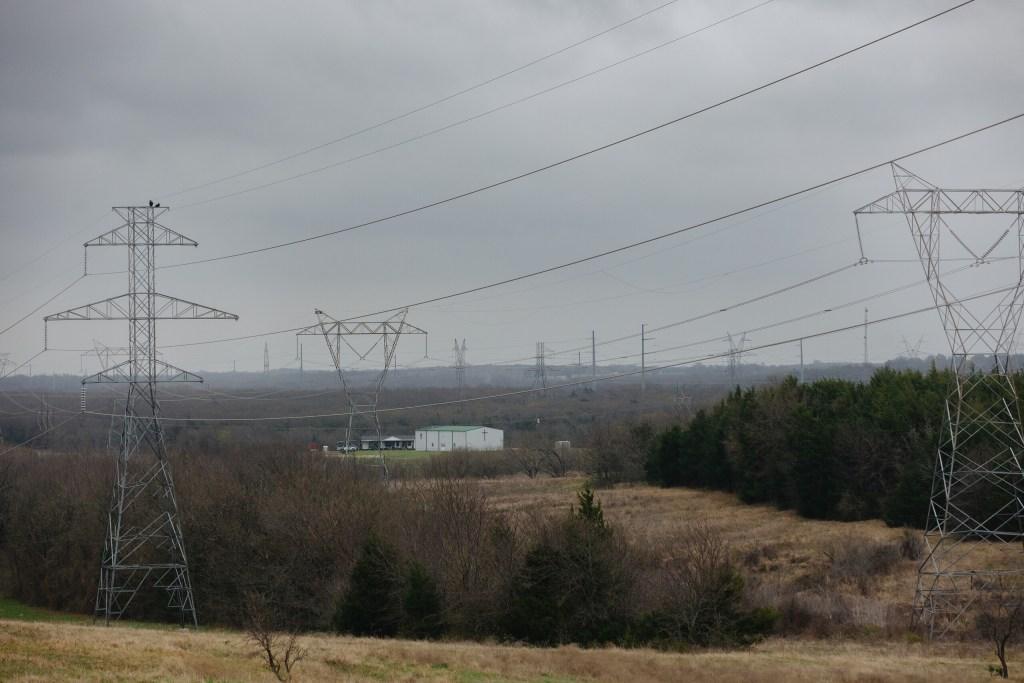
In a pivotal decision that could significantly alter Texas’ electricity framework, the Public Utility Commission of Texas has approved the construction of over 400 miles of transmission lines aimed at supplying much-needed electricity to the oil, gas, and industrial manufacturing sectors. This unanimous vote by the five-member commission comes despite requests from various Texas Senate and House members to postpone the approvals until the Legislature can revise the existing processes.
The commission has opted to delay a decision regarding the Howard Solstice transmission line, which is proposed to traverse South Texas, in order to allow for further discussions. Provided that there are no successful legal challenges to the applications, this marks the final administrative step for the transmission companies to commence work on these billion-dollar initiatives.
During a hearing on Friday, Commissioner Courtney Hjaltman acknowledged the emotional stakes involved for landowners, stating, “I understand the proceedings are not just about infrastructure to you. They’re about your land. They’re about something deeply personal.” She emphasized the commission’s awareness of the gravity of their decision-making process.
The approved plans will enable the two transmission service providers to begin construction on two 765-kilovolt transmission lines that will transport electricity from Bosque County to the southwest, impacting at least 30 counties. These applications are the first to gain regulatory approval under the Permian Basin Reliability Plan, which was passed by lawmakers in 2023 amidst considerable opposition from landowners and scrutiny from the state legislature.
During the lengthy meeting, landowners expressed concerns that the proposed lines would damage their properties, natural resources, and local wildlife. Some argued that Oncor had not allocated sufficient time for them to contest the applications, a viewpoint echoed by the commission’s administrative court. Ultimately, the commissioners ruled in favor of Oncor, asserting that the company had met legal requirements.
Industry representatives contend that these lines are essential for managing the electricity demands of the oil-rich Permian Basin, which has been overwhelmed with oil companies lacking adequate power supplies. The manufacturing sector has expressed that energy forecasts do not reflect its growth, resulting in delays spanning over a decade.
At the hearing, oil and gas executives cautioned that rejecting the applications could jeopardize operations and lead to rolling blackouts in West Texas. Todd Staples, president of the Texas Oil and Gas Association, warned, “America’s most important energy security region is at risk,” citing the lack of reliable electricity access as a pressing concern for local homes, schools, and businesses.
Betsy Madru, a lobbyist for Diamondback Energy, explained that the company has been generating its own 80 megawatts to compensate for the existing power shortfall. She remarked that it is unreasonable to expect regions like Dallas or Houston to generate their own power, emphasizing that the Permian Basin deserves the same consideration.
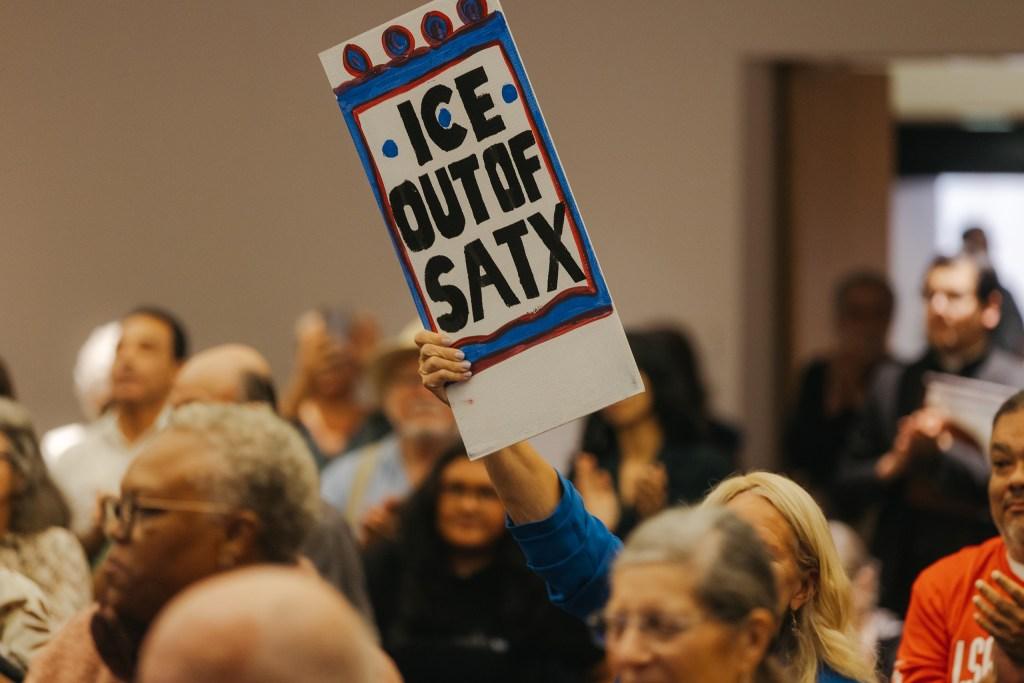
Opposition to the applications has been robust, with landowners filing hundreds of administrative protests, fearing that construction would irreparably damage their generational farmland. They contend that the 180-day review period provided to regulators was insufficient for a thorough examination of all cases.
A central question in the deliberations was whether the Electric Reliability Council of Texas (ERCOT) had sufficiently demonstrated the necessity of the lines. Critics argued that ERCOT should have explored alternative options and should not have proposed the construction of high-voltage 765kV lines.
Amanda Griffin, vice president of the Hill Country Preservation Coalition, expressed concerns that the current situation is not about average residents but rather about increasing power to the Permian Basin. She indicated a growing awareness among rural voters and a readiness to effect change in future elections.
Landowners also urged the commission to reconsider some of the proposed routes, highlighting potential harm to their cattle and hunting businesses due to construction activities. Rocky Sullivan, a ranch owner, detailed the vital role of aerial operations in managing his property.
Throughout public meetings, transmission companies have asserted that their applications adhered to procedural guidelines and have committed to collaborating with landowners to minimize land damage. However, early on Friday, Texas Attorney General Ken Paxton filed an amicus brief supporting a national landowner group in their legal challenges against Oncor, AEP Texas, and CPS Energy.
Paxton’s brief pointed out that the law does not explicitly mandate the construction of 765kV lines and urged the commission to pause the process to allow the Legislature to assess the potential benefits and risks associated with such large-scale projects.
The need for these transmission lines arose from a bill authored by State Rep. Charlie Geren in 2023, which directed ERCOT to formulate a plan to provide essential electricity to the Permian Basin and the industrial manufacturing sector. The plan faced little opposition at the time and received near-unanimous approval from both legislative chambers.
ERCOT has spent nearly a year presenting drafts of the plan to the Utility Commission, proposing various upgrades, including the controversial 765-kilovolt transmission lines. Trade groups advocating for the oil and gas industry have pushed for an expedited version of the plan, emphasizing the urgency of bringing additional electricity online.
As public dissent grew, political support for the reliability plan began to wane, with many landowners protesting against the proposed applications. By late 2025, opposition intensified as landowners received notifications about the adverse impact of the transmission lines on their properties, prompting concerns over the limited timeframe for responses.
As protests continued into 2026, lawmakers began expressing concerns over environmental and infrastructural costs associated with the project. With mounting public pressure, some legislators urged the commission to halt the project until the application process could be revised in the upcoming legislative session.
Senate lawmakers have unified around the issue, with State Sen. Kevin Sparks questioning the cost of the high-voltage lines and their impact on landowners. Following a July Senate hearing, lawmakers called for the Utility Commission to deny the applications until legislative reforms could be enacted.
Despite the growing concerns voiced by lawmakers, the lower chamber has not presented a unified opposition to the plans, raising questions about the future of the proposed transmission lines and the broader implications for Texas’ energy landscape.