







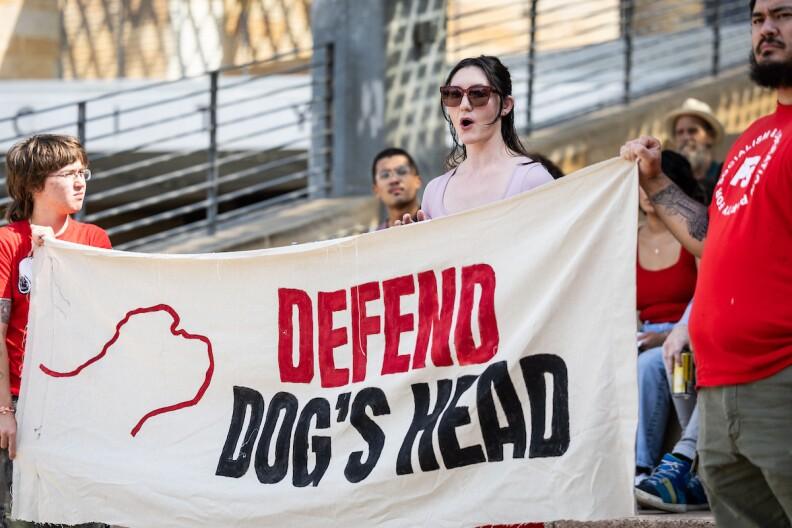
The Austin City Council has taken a significant step towards the realization of a controversial development project known as Dog’s Head, located on a vacant parcel of land along the Colorado River in Southeast Austin. This development, which is backed by Amazon, aims to transform a 2,600-acre site into a bustling community featuring over 6,000 single-family homes, 6,200 multifamily units, and millions of square feet designated for office, retail, industrial, and hospitality uses.
For the project to advance, the City Council needed to approve a tax increment reinvestment zone (TIRZ), a financial mechanism that rechannels a portion of property tax revenues to enhance local infrastructure, including roads and utilities. This same tool previously facilitated the development of the Mueller neighborhood, which was once an airport.
This past Thursday, the Austin City Council approved the establishment of the TIRZ related to the Dog’s Head development. This decision follows a 45-year agreement struck with Endeavor Real Estate Group, which is set to lead the development on the property.
Council Member Natasha Harper-Madison expressed optimism about the project, stating it would address the needs of a rapidly expanding and historically underserved area. “Creating a mixed-use district of this scale will enhance housing opportunities across various income levels,” she remarked, highlighting the potential for increased job opportunities and improved public infrastructure that could benefit East Austin residents.
Community Concerns
Despite the promise of growth, many residents have voiced their concerns regarding the speed at which the city is moving forward with the project. Critics have pointed out that they were given little notice prior to the council’s decision to annex the property earlier this year.
Assistant City Manager Eric Johnson defended the brisk pace, explaining that the urgency was necessary to secure Amazon as a key tenant for the development. However, this rationale did not quell dissent. Community leaders and activists gathered outside City Hall on Thursday morning to protest the development, with hundreds signing up to voice their concerns during the TIRZ vote.
Environmental impacts remain a significant worry for neighbors, with Lee Edwards, president of the South East Colorado River Neighborhood Association, describing the process as flawed and the plan as inadequate. “I am left with more questions than answers,” he lamented.
On the other hand, some residents, like Alexis Willis, supported the development, arguing it is essential for keeping Austin attractive for business. “I commend this council for recognizing the opportunity to negotiate meaningful public benefits that simply wouldn’t exist if this property remained outside the city’s jurisdiction,” Willis stated.
Economic Implications
As Austin grapples with budgetary limitations, city officials assert that the Dog’s Head project could serve as a vital economic driver, potentially generating up to $3.5 billion in property and sales tax revenue over the next three decades. However, Council Member Mike Siegel criticized the decision-making process leading to the vote, suggesting that there should have been greater public engagement and stronger environmental safeguards. “What I think city management got wrong is how we responded to this opportunity,” he commented.
In contrast, Council Member Krista Laine viewed the development positively, stating, “From where I sit, this looks like opportunity. This looks like jobs that can help people own their homes and stay rooted in their community.”
While the approval of the TIRZ marks a significant milestone, it is merely the first step in bringing the Dog’s Head project to fruition. The council is not anticipated to grant final approval until 2027.