









Famous Texas Landmarks and Their Stories
Texas is renowned for its vast landscapes, rich culture, and vibrant history. From the rolling hills of the Hill Country to the bustling streets of Dallas and the vibrant arts scene of San Antonio, the Lone Star State is filled with landmarks that tell stories of resilience, innovation, and pride. These landmarks each possess unique histories that contribute to the tapestry of Texas’ narrative. Whether you’re a history buff, an architect enthusiast, or simply someone who appreciates beautiful scenery, Texas has something to offer through its iconic sites.
This exploration of famous Texas landmarks unveils the stories hidden in their walls and the significance they hold in the hearts of Texans and visitors alike. Through this journey, one can appreciate not only the beauty of these sites but also the profound historical events that shaped them. Here are some of the most significant landmarks across the state, each with its distinct tale.
The Alamo: A Symbol of Texan Independence
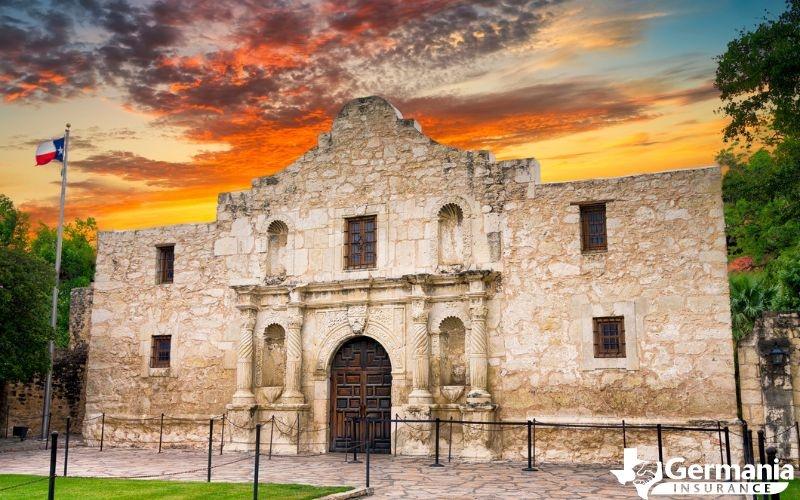
No discussion of Texas landmarks would be complete without mentioning the Alamo. This former mission in San Antonio has become synonymous with Texas’ struggle for independence from Mexico. Established in 1718, the Alamo originally served as a Spanish Franciscan mission dedicated to converting local Native Americans to Christianity. However, it gained fame in 1836 during the pivotal battle where Texan defenders, led by figures such as James Bowie, William B. Travis, and Davy Crockett, fought for 13 days against a vastly superior Mexican army.
The siege ended on March 6, 1836, with the fall of the Alamo, but it ignited a spirit of resistance among Texans. The rallying cry “Remember the Alamo!” became a powerful motivator for Texan forces at the Battle of San Jacinto later that year, where they ultimately secured victory. Today, the Alamo stands as a museum and is a UNESCO World Heritage Site, drawing millions of visitors yearning to learn about Texas’ revolutionary past.
Surrounding the Alamo are beautiful gardens and iconic monuments commemorating those who lost their lives in defense of the mission. Visitors can explore the exhibit galleries that detail the history of the Alamo and its defenders, enhancing their understanding of the pivotal role it played in Texas’ fight for independence. This landmark is not merely an attraction; it is a testament to courage and sacrifice, heralding a narrative that continues to inspire pride in Texan identity.
Architecture and Preservation
The architecture of the Alamo is an exquisite representation of Spanish Colonial style, characterized by its arched doorways and thick adobe walls. The site’s preservation efforts have been crucial in maintaining its historical integrity. In recent years, external renovations have included improved visitor pathways and educational installations designed to enhance the learning experience while respecting the original structure. These renovations showcase a commitment to honor the past while making the site accessible to a diverse array of visitors, ensuring that the legacy of the Alamo will endure.
Big Bend National Park: Nature’s Majesty
Located in West Texas, Big Bend National Park is a breathtaking expanse of desert, mountains, and the winding Rio Grande River. It offers a stark contrast to the urban landmarks of Texas and serves as a reminder of the state’s breathtaking natural beauty. Established in 1944, the park encompasses over 800,000 acres of protected land, making it one of the largest national parks in the United States. Its unique geography and ecology support a rich diversity of wildlife and plant species.
The park is named after the bend in the Rio Grande river, which forms a natural border between Texas and Mexico. A significant focal point of the park’s history is the ancient Chisos Mountains, where evidence of human habitation dates back thousands of years. These mountains are not only geological wonders but are also home to remnants of historical settlements, including the ghost town of Terlingua, which has its origin in the mercury mining industry of the early 20th century.
Amidst the serene landscapes, visitors can partake in a wide range of activities, including hiking, camping, and stargazing. Big Bend has been designated an International Dark Sky Park, making it a prime location for astronomical observation. From the stunning views at the Basin to the rugged trails through the Chihuahuan Desert, the park embodies the rugged spirit of Texas and invites exploration of its natural wonder.
Ecological Importance and Conservation
Big Bend’s ecosystem is vital for conservation efforts, particularly concerning endangered species such as the black-capped vireo and the Texas horned lizard. The park’s vast and varied terrain provides essential habitats for a myriad of wildlife while hosting an astonishing variety of plant species—over 1,200 different types. The challenge of balancing the environmental integrity with tourism has led to ongoing conservation initiatives aimed at preserving the park’s delicate ecosystems for future generations to appreciate.
The State Capitol: A Testament to Texan Pride
Positioned in the heart of Austin, the Texas State Capitol is not only an architectural masterpiece but also a symbol of the state’s robust political history. Completed in 1888, the Capitol building is recognized for its distinctive pink granite facade and its size, making it taller than the US Capitol in Washington D.C. The building’s design reflects elements of Renaissance Revival architecture and includes elaborate interiors featuring murals, historic paintings, and sculptures that illustrate Texas’ pioneering spirit.
As the seat of government for Texas, the Capitol is where significant legislative decisions take place. The building’s grounds are adorned with memorials and monuments honoring various aspects of Texan history, including the Texas Revolution and military veterans. The Capitol serves as a center for democratic processes, welcoming school groups, tourists, and citizens interested in witnessing the workings of their state government firsthand.
The Texas State Capitol is not just a functional building; it is also a place where the past meets the present. Guided tours offer insight into the building’s history and architectural features, while capital grounds provide recreational space for various public events and celebrations. The blend of historic significance and continuing legislative relevance makes the Capitol a landmark that embodies the ethos of Texas.
Art and Culture
Beyond its historical and political significance, the Texas State Capitol is also a hub for art and culture. Numerous art installations commemorate Texan heritage, showcasing the work of local artists and providing a platform for cultural expression. The Capitol regularly hosts events such as educational expos, legislative days, and cultural festivals that celebrate the diversity of Texas. In this way, the Capitol continuously evolves, remaining a vital part of the community even as it upholds the traditions of the past.
San Antonio Missions: Guardians of Heritage
The San Antonio Missions, a series of five historic Spanish missions, are a UNESCO World Heritage Site that illustrate the early colonial life in Texas. The missions, which include Mission San José, Mission San Juan, and Mission Espada, were established in the 18th century as part of Spain’s efforts to convert Native Americans to Christianity and colonize the region. Each mission holds a unique story and contributes to our understanding of the cultural exchanges that took place between Spanish settlers and local indigenous populations.
Among these missions, Mission San José is often referred to as the “Queen of the Missions.” Its reconstruction and preservation efforts have made it a focal point of interest. The mission features a stunning rose window and intricate carvings that exemplify the artistry of the period. Its lush gardens and serene surroundings also speak to the life that once thrived around the mission, making it a peaceful retreat from the bustling city.
The San Antonio Missions represent more than just buildings; they embody a rich cultural blend. Visitors can explore the mission grounds, participate in interpretative programs, and witness reenactments of historical events. The park surrounding the missions not only preserves these historic structures but also connects visitors to the greater narratives of cultural interaction and resilience in Texas’ history.
Preservation and Community Engagement
Efforts to preserve the San Antonio Missions are crucial to maintaining their historical significance. Ongoing collaborations between community organizations, the National Park Service, and local historians help in promoting awareness and appreciation of these sites. Educational programs focused on local history and cultural heritage are vital in fostering community engagement, ensuring that the stories of these missions are imparted to new generations. As guardians of Texas heritage, the San Antonio Missions invite all to honor and reflect on the state’s intricate past.
The Space Center Houston: Facing the Future
As Texas strides towards the future, the Space Center Houston stands tall as a beacon of innovation and exploration. Established in 1992, this facility is the official visitor center for NASA’s Johnson Space Center, where much of the training for astronauts occurs. The center offers a captivating glimpse into the world of space exploration and the ongoing contributions of Texas in this field. Featuring a range of exhibits, interactive experiences, and artifacts from major space missions, visitors can immerse themselves in the adventures of human spaceflight.
One of the key attractions is the behind-the-scenes tours of the Johnson Space Center, where guests can view the astronaut training and see Mission Control, a crucial hub for manned space flights. Monthly events and launch viewings galvanize public interest and showcase live mission launches from the site, engaging visitors with real-time achievements in space exploration. This interaction encourages STEM education and inspires future generations of scientists and engineers.
The Space Center also plays a key role in fostering a collaborative environment where education meets innovation. Programs designed for students aim to ignite their imaginations and encourage a passion for learning in science, technology, engineering, and mathematics. As a significant educational resource, the Space Center reflects Texas’ role at the forefront of space exploration, reminding visitors that the sky is not the limit but just the beginning.
Community Impact and Global Outreach
Through its outreach programs, the Space Center works closely with local schools and international partners to promote educational initiatives that resonate on a global scale. These efforts emphasize the importance of collaboration in the quest for knowledge and exploration, extending the legacy of the Apollo missions into the present day. The Space Center is not only a tribute to human achievement in space but also a source of inspiration and learning that transcends borders, encouraging a united approach towards future discoveries.
From the historic battles of the Alamo to the celestial journeys celebrated at the Space Center, Texas is rich in landmarks that tell dynamic stories. These sites capture the essence of Texas’ spirit and invite visitors to reflect on the events and cultures that have shaped this great state. With each landmark, there lies an invitation to explore, understand, and appreciate the profound narratives that make Texas a unique tapestry of history and heritage.
For anyone looking to delve deeper into Texas’ historical landscape, visiting these landmarks serves not just as a trip but as an educational journey, where stories unfold and shapes of the past are vividly illustrated through architecture, nature, and the indomitable spirit of its people. Embrace the history, engage with the communities around these sites, and discover why Texas remains a cornerstone of American heritage.