








The 5th U.S. Circuit Court of Appeals reinstated several provisions of a 2021 Texas election law on Wednesday, reversing a lower court’s decision that had blocked those elements. This law significantly altered mail-in and assisted voting procedures in the state.
Five years ago, Texas enacted Senate Bill 1, a comprehensive election law that transformed the administration of elections by local officials and the voting process for many Texans. This legislation was primarily a response to initiatives introduced by Harris County during the COVID-19 pandemic. It faced considerable backlash from voter advocacy groups, civil rights organizations, and Democratic lawmakers, who attempted to thwart the bill by breaking quorum.
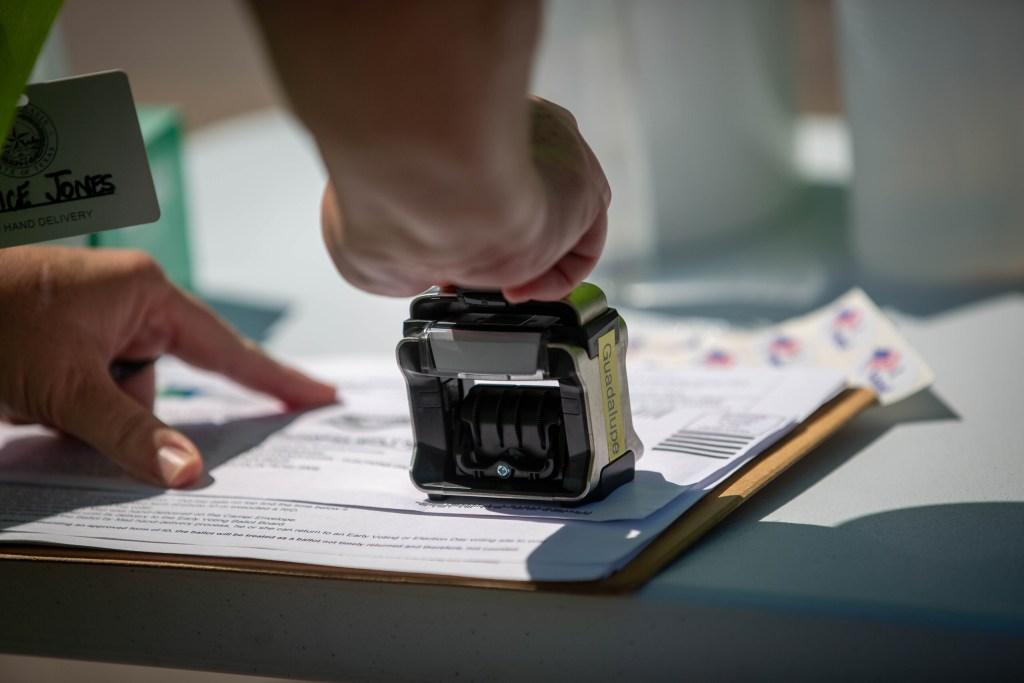
Following multiple lawsuits addressing accessibility issues arising from the new law, a district judge ruled in March 2025 to invalidate nine provisions. These included requirements for Texans to submit an identification number or social security number on mail-in ballot applications, which had to match state records. The judge also blocked measures that established procedures for correcting defective ballots and mandated that voters, as well as those assisting them, sign an oath affirming they did not coerce the voter and disclosing their relationship.
The plaintiffs argued that these provisions imposed excessive burdens on voters with disabilities, a claim the district judge upheld, stating they were in violation of the Americans with Disabilities Act. In Texas, mail-in voting is available to individuals over 65 and those with certain disabilities, among others.
The Fifth Circuit’s 11-page ruling overturned the district court’s decision in its entirety, concluding that the plaintiffs had insufficient standing for most of their claims. The appellate judges strongly criticized the lower court’s rulings throughout the five years of litigation, declaring, “the bulk of the plaintiffs’ claims fail for lack of standing. One fails on the merits. But none justifies interference with the State Legislature’s efforts to prevent voter fraud and to protect election integrity,” stated Judge Andrew Oldham in the opinion.
Texas Attorney General Ken Paxton, who is involved in the lawsuit as a defendant, hailed the ruling as a “major victory” on social media.
The appellate ruling noted that mail-in ballots have historically been susceptible to fraud and highlighted a decline in the rejection rate of mail-in applications and ballots due to identification number errors, which decreased from 11% to 2.7% following the law’s implementation. A study conducted in 2022 revealed that 1 in 7 voters in the primary elections had their applications or ballots rejected after the passage of SB 1.