


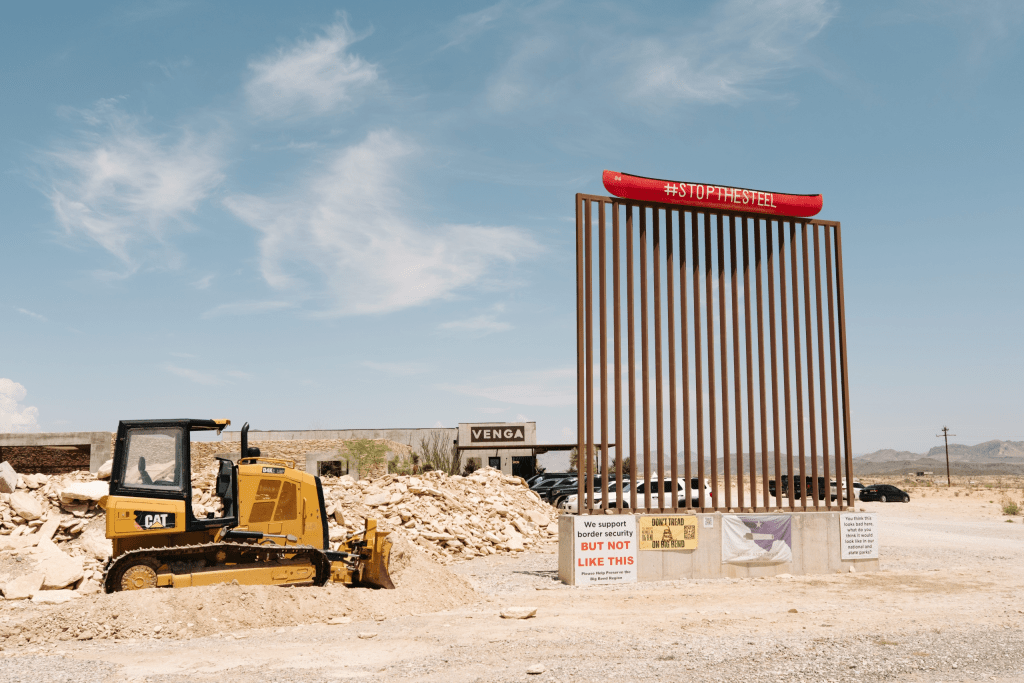
In a significant policy shift, U.S. Customs and Border Protection (CBP) Commissioner Rodney Scott announced the suspension of construction activities in Big Bend National Park. This decision comes as Scott embarks on a personal evaluation of the situation following protests from local communities. Heavy machinery had already begun preparations for construction before the announcement.
In a video shared on social media platform X, Scott revealed he was on his way to the park and had ordered the construction halt the previous night. “I put a pause on all activity in that park, as far as construction goes, until I can get down there and do a personal evaluation, talk to some stakeholders, talk to some local law enforcement in that area,” he stated, promising further updates later in the week.
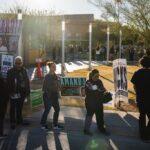
This announcement follows widespread discontent expressed by local residents, businesses, and law enforcement officials regarding the planned construction of border infrastructure in the park. Many have voiced concerns over the potential impact on the cherished natural landscape and have urged CBP to consider their perspectives.
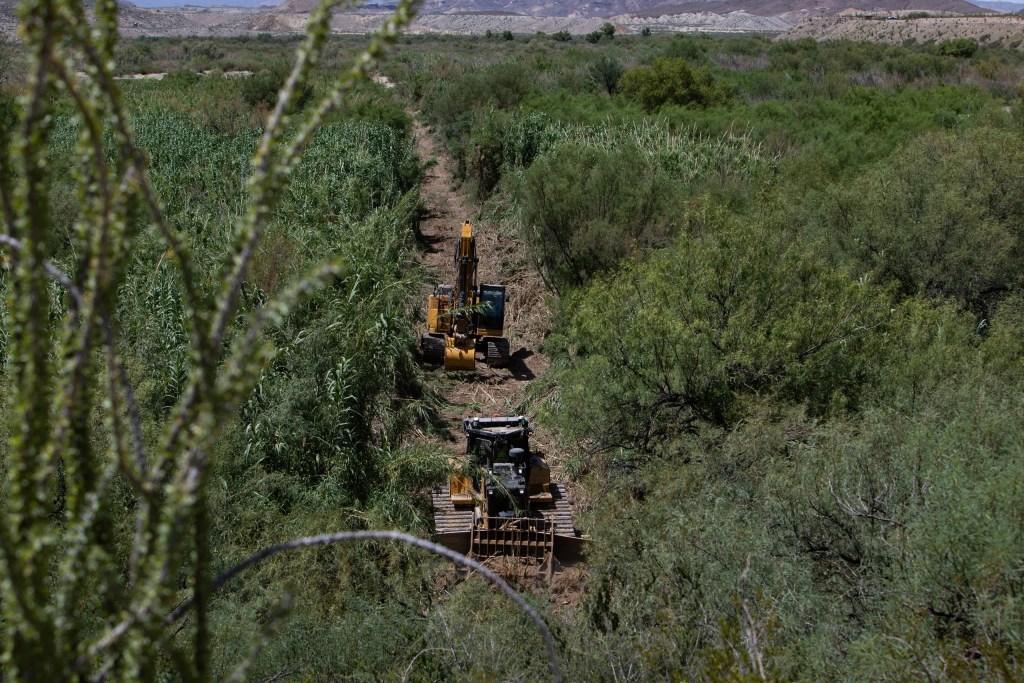
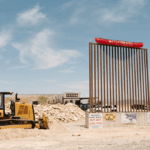
Details regarding the duration of the construction pause remain unclear. The federal government had proposed building an access road and vehicle barriers within the park, a site that has been a beloved destination for Texans for generations. Earlier this month, bulldozers were deployed to begin what CBP termed survey and design work.
The commencement of construction has sparked bipartisan disapproval. Texas Democrats have criticized the project for months, arguing that the construction is unnecessary and harmful to Texas’ sovereignty. Furthermore, both candidates vying for Texas’ 23rd Congressional District, which includes the Big Bend area, oppose the border wall initiative.
Recently, several Republican leaders have also begun to express their concerns. Senator John Cornyn, R-Texas, urged Homeland Security Secretary Markwayne Mullin in an August 7 letter to halt construction until stakeholder consultations could occur—an appeal that Scott appears to be addressing with his decision.
In his statement, Scott indicated that he and a small team would assess the terrain while engaging with local leaders and community members to strike a balance between border security and preserving the park for future generations.
Terrell County Sheriff Thaddeus Cleveland, a retired Border Patrol agent who believes a border wall in the Big Bend region is unwarranted, shared that he has been in close contact with Scott, a long-time friend from their days as Border Patrol colleagues in the 1990s. Cleveland and other sheriffs from the region are scheduled to meet with Scott in Alpine on Tuesday afternoon.
During a separate news conference in Waco, Governor Greg Abbott confirmed that he had spoken with Mullin, who assured him that no wall or fence would be constructed in Big Bend National Park. Abbott suggested that Scott’s announcement may be a direct result of his recent conversation with the secretary.
The governor emphasized that advanced technology, such as drones, could be utilized to secure this segment of the Texas-Mexico border without compromising the national park’s natural beauty.
CBP has clarified that it does not intend to construct a 30-foot wall or install stadium lighting in the park. In a recent statement, the agency affirmed its commitment to maintaining visitor access and preserving the landscape, while asserting that the construction is crucial for border security.
Scott remarked, “These improvements will help our agents detect illegal crossings, respond faster, and assist visitors in danger. As we strengthen the border across the southwest, we will not leave Big Bend as an opening for cartels to exploit by shifting their routes and tactics.”
Local officials and park advocates argue that the park’s steep cliffs along the riverbank serve as a natural barrier against migration. They warn that any construction could irreparably harm the park’s unique ecosystem and damage local tourism and outdoor industries. The Big Bend sector, while large in area, accounted for just 1.3% of border apprehensions in the 2025 fiscal year.
U.S. Representative Chip Roy, R-Austin, expressed his gratitude to Scott for the announcement, stating that it is possible to secure Big Bend while preserving its natural beauty.
Park advocates welcomed the construction pause but are calling for a definitive resolution. “This temporary pause demonstrates the growing bipartisan public pressure in West Texas and across the nation to halt the irreversible harm being inflicted on this national park,” said Laiken Jordahl, a national public lands advocate with the Center for Biological Diversity. “While this news is encouraging, we remain vigilant to ensure that construction does not resume.”
Previously, CBP characterized its activities in the park as “survey and design work,” rather than construction. Scott’s recent terminology shift highlights the frustrations of advocates regarding the existing actions taken in the park.
“It’s a win that he’s looking at the park, but it also underscores the irresponsibility of starting bulldozer operations without a thorough assessment,” commented Billy Bartko, owner of Far Flung Outdoor Center in Terlingua.
Various groups have initiated legal measures to compel CBP to withdraw from the park. State Senator Roland Gutierrez, D-San Antonio, has filed a petition for a temporary restraining order to halt construction until the matter can be resolved in court.
Gutierrez acknowledged the pause as a positive development but urged ongoing pressure for a complete halt. He accused CBP of misrepresenting its activities in the park as mere surveying, asserting that extensive clearing of land and destruction of vegetation and archaeological sites has already occurred.
“What has been happening is not simple surveying,” Gutierrez asserted. “It has involved significant clearing of the landscape, including the Mariscal Mountains and areas near the Santa Elena Canyon, without regard for the environment or historical sites. This must be stopped.”