







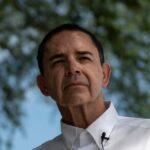

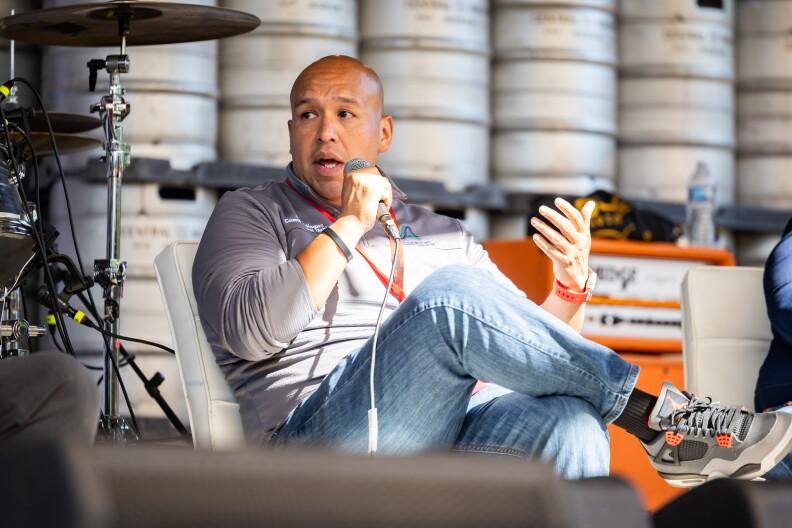
The upcoming general election on November 3, 2026, will see José Velásquez, the incumbent City Council Member for Austin’s District 3, face off against four challengers. The candidates are Gavino Fernandez, Neha Shah, Brock Skinner, and Eduardo Romero, each vying to disrupt the current political landscape at City Hall.
Central to the candidates’ platforms are issues of affordability and the contentious Dog’s Head development project. This initiative involves transforming a 2,600-acre site in District 3, primarily for Amazon’s robotics division. Community backlash has erupted over what many perceive as a rushed decision-making process lacking proper public engagement.
In light of the upcoming election, candidates were asked about their plans for District 3 and their priorities. Their responses are presented in the order they appear on the ballot.
Eduardo “Lalito” Romero
Romero did not provide a response to the inquiry but participated in a District 3 forum.
Brock Skinner
Skinner emphasizes his outsider status, framing himself as a non-politician eager to address the pressing issue of affordability through responsible city spending. He advocates for maintaining property tax rates while increasing the tax base.
When discussing the Dog’s Head development, Skinner expressed grave concerns, labeling the deal as “egregious” for District 3. He criticized the absence of environmental impact assessments prior to the vote and insisted that the developers, rather than the city, should bear the costs of necessary infrastructure improvements.
On the topic of third-party audits of city spending, Skinner expressed strong support for Proposition I, arguing that independent audits are essential for ensuring transparency and accountability in how taxpayer money is utilized.
José Velásquez
Velásquez identifies affordability as the primary challenge facing District 3, highlighting his efforts to launch affordable housing projects. He stresses that housing must be at the forefront of any conversation about affordability.
Initially backing the Dog’s Head project, Velásquez later shifted his stance after budgetary concerns arose, ultimately voting against it. He acknowledges the need for the city to enhance its tax base but also recognizes the valid criticisms surrounding the project’s timing.
While Velásquez opposes the call for mandatory third-party audits, he argues that the city already has an auditor accountable to the City Council. He views the push for Proposition I as unnecessary and questions the motivations behind the political action committee advocating for it.
Gavino Fernandez Jr.
Fernandez, a long-time activist, asserts that rising property taxes are exacerbating the affordability crisis in District 3, particularly impacting residents on fixed incomes. He criticizes the lack of transparency surrounding the Dog’s Head development vote, suggesting that rushed decisions have harmed community interests.
He supports Proposition I, viewing it as a necessary step for increased oversight of city spending, reflecting the community’s demand for fiscal responsibility.
Neha Shah
Shah, a tech entrepreneur, contends that the city’s development code revision known as HOME fails to adequately address affordability, primarily benefiting corporate interests rather than working families. She argues that current housing initiatives do not cater to the needs of those struggling to find affordable accommodation.
Shah was prompted to run for office following the Dog’s Head vote, criticizing Velásquez for not being a vocal advocate for the district during the decision-making process. She describes the urgency surrounding the project as misleading and calls for a more transparent approach.
While she supports Proposition I in principle, Shah expresses concerns about the political framing of the issue, emphasizing the need for accountability and transparency across party lines.