







Texas Governor Greg Abbott has mandated a halt on funding for Flock cameras, responding to growing concerns regarding the AI-powered surveillance devices. This directive was issued as an investigation was set to reveal that a state agency has allocated at least $30 million to expand the Flock surveillance network through grants to local police departments.
Abbott’s order, confirmed by his spokesperson on Friday, emphasizes that while cities may receive federal funds for these cameras, any financial support from Texas agencies will be explicitly restricted from being used for Flock cameras. “Those agencies are clarifying that those funds cannot be used for Flock cameras,” stated Abbott spokesperson Andrew Mahaleris.
The Motor Vehicle Crime Prevention Authority, primarily overseen by Abbott’s appointees, has facilitated the installation of over 3,200 Flock cameras in collaboration with state and local law enforcement since 2023. Nearly 1,200 of these cameras are being installed by the Department of Public Safety, backed by a three-year contract worth $15.9 million with the authority.
This funding stemmed from a 2023 law that added a dollar to Texas auto insurance policies, intended to address the surge in catalytic converter thefts. Lawmakers noted that prior to the law’s unanimous passage in both the House and Senate, there had been no discussions regarding the allocation of these funds for Flock cameras or similar technologies.
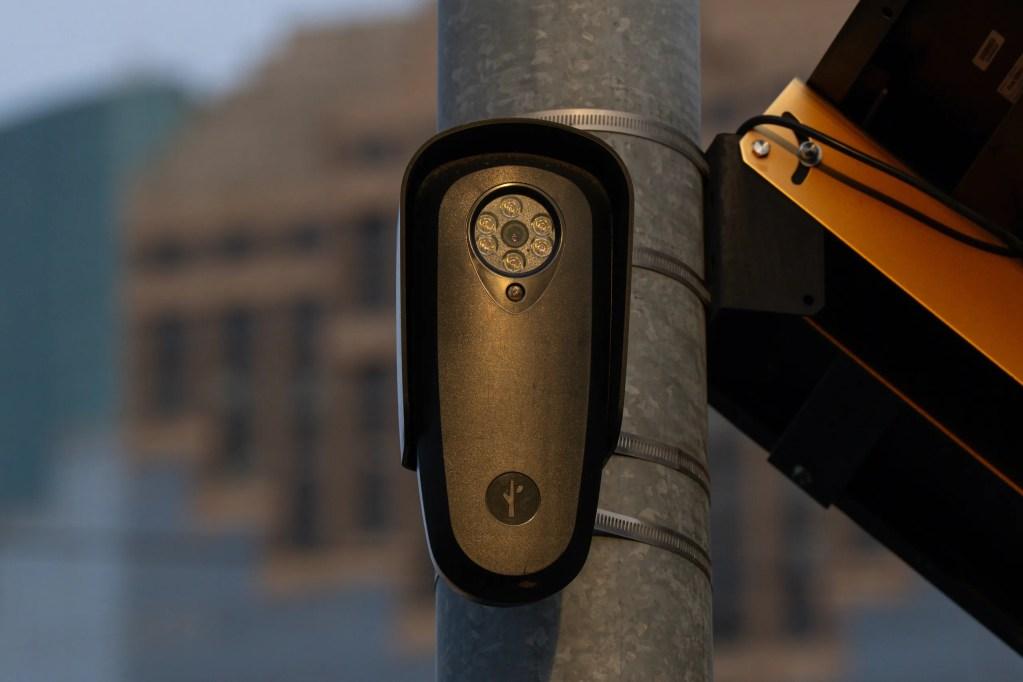
Flock cameras represent an advanced type of license plate reader, employing artificial intelligence to monitor and record various vehicle details, including make, model, color, and even distinctive features like bumper stickers and dents. Departments utilizing Flock cameras can grant access to their data to other agencies, forming an extensive national network.
In response to the funding freeze, Flock Safety released a statement expressing its support for “thoughtful legislation” that includes privacy protections while allowing law enforcement to use their technology for public safety. They underscored that Flock’s tools are vital for assisting police in solving significant crimes, locating missing individuals, recovering stolen vehicles, and fostering safer communities.
During a radio interview on Friday morning, Abbott described a “crackdown” occurring across Texas, as municipalities and counties have begun terminating contracts with Flock Safety in light of rising privacy issues and numerous reports of misuse. He highlighted a specific case involving a Lufkin police officer facing 100 counts of abusing public information by allegedly surveilling 11 individuals using Flock cameras over an extended period. In the past month alone, several police departments and sheriff’s offices in Texas have reported placing officers on administrative leave, conducting investigations, or pursuing criminal charges.
Abbott remarked, “This is something that is easily containable, easily controllable, and we’re ensuring that whether it be through criminal crackdowns, whether it be through cancellation of contracts, whatever the case may be, Flock cameras are being reduced dramatically.” He asserted that if these cameras are to be utilized, it must be done responsibly.
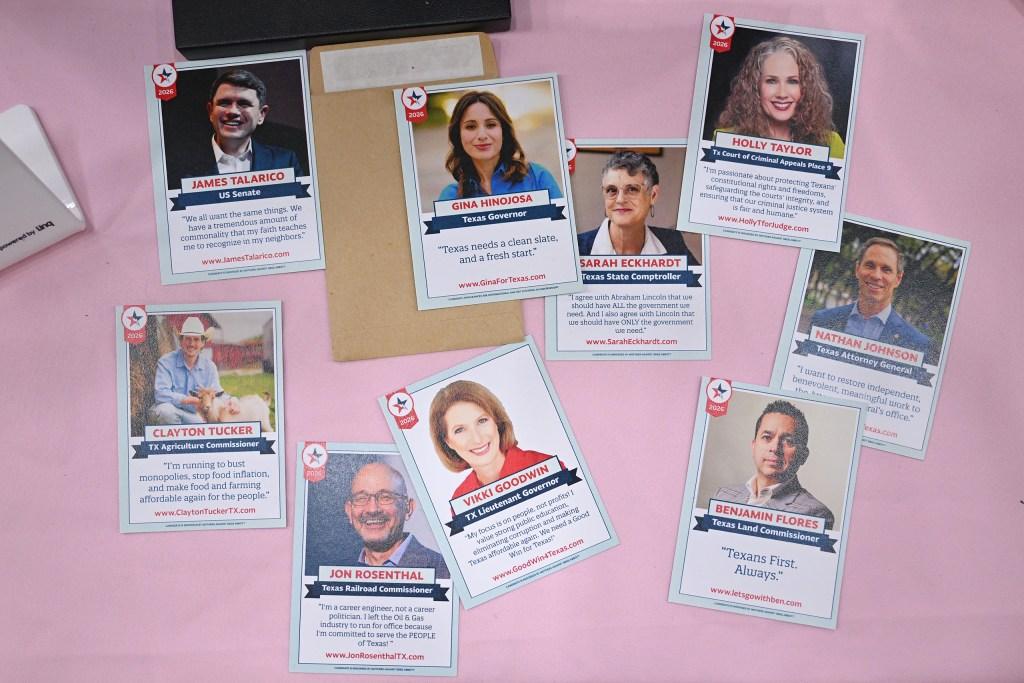
Earlier in the week, Democratic gubernatorial candidate Rep. Gina Hinojosa aired an advertisement attributing the proliferation of Flock cameras in the state to Abbott, labeling the devices as instruments of “warrantless surveillance.” Her social media outreach called on Abbott to “stop turning Texas into a surveillance state.”
Bipartisan apprehension has emerged among lawmakers regarding the expansive nature of Flock’s network and the volume of data collected by each camera. Law enforcement entities participating in Flock’s national lookup program can access data from other jurisdictions across the country.
In July, Republican U.S. Representative Keith Self proposed a bill mandating that federal agencies secure warrants before accessing data from Flock cameras, arguing that the measure would restore essential privacy rights. “Americans’ Fourth Amendment right to be secure in their privacy does not disappear just because of new technology or artificial intelligence,” Self stated.