







In a significant move for economic development, a community in South Texas, previously recognized as the poorest in the state, is actively pursuing a collaboration with an Austin-based defense technology startup. This partnership has the potential to generate 10,000 jobs over the next decade, a figure that far exceeds SpaceX’s original commitment of 300 jobs in 2014.
The Cameron County commissioners court has approved a substantial tax incentive package worth $211 million for Saronic Technologies. This initiative aims to attract the company to establish its $3.2 billion naval shipyard, known as Port Alpha, at the Port of Brownsville. Under the proposed agreement, Saronic would receive a 95% tax abatement over a period of 20 years.
If Saronic accepts this proposal, Brownsville could solidify its status as one of Texas’ emerging technology centers, a transformation sparked by the arrival of SpaceX years ago. County Judge Eddie Treviño Jr. emphasized the significance of this investment, stating it positions Cameron County as a leader in innovation and workforce excellence.
The proposal has generated considerable community engagement, with more than two dozen residents voicing their opinions during a recent commissioners meeting. While some expressed support for the tax incentives, others raised concerns about the implications of such a deal.
Critics of the tax abatement argue that the financial burden will shift from Saronic, a company valued at $9.25 billion, to local residents. They also contend that the deal could divert funds away from public education. “Why is it fair that a billion-dollar company comes to our small city and asks for a tax break?” questioned Victoria Oseguera, a Brownsville resident. “Providing jobs is not enough.”
Proponents of the tax incentives, however, assert that the arrival of Saronic would provide vital employment opportunities for the region. The anticipated 10,000 jobs would significantly surpass SpaceX’s current workforce of approximately 4,000 in South Texas, which is expected to grow to 8,000 by year’s end.
Gilberto Salinas, president and CEO of the Greater Brownsville Economic Development Corporation, highlighted the broader economic benefits, stating that the project would foster an ecosystem of suppliers, advanced manufacturers, and tech talent. Salinas added that initiatives like Port Alpha would not only transform Brownsville’s economic landscape but also create generational wealth within the community. “We need to do a better job of shedding that tagline of the poorest city in the United States,” he remarked.
Of the jobs created by Saronic, the majority—7,401—would be in production and maintenance roles such as welders, electricians, and assembly line workers. Additionally, 1,200 positions would be in engineering and design, 700 in administration, and 699 in research and development.
The tax abatement agreement stipulates that 35% of Saronic’s full-time workforce must be comprised of local residents. If the company fails to meet its job creation targets, the tax incentives would be adjusted accordingly. Furthermore, Saronic is required to participate in job fairs, collaborate with local educational institutions on training programs, and submit annual reports to the Texas Workforce Commission.
Christopher Basaldu, co-founder of the South Texas Environmental Justice Network, voiced opposition to the project, claiming it would exacerbate pollution and fail to deliver economic benefits to those who need them most. “This company has no morals and they only wish to exploit cheapened land and cheapened labor,” he stated, arguing that the opportunities created would primarily benefit wealthy individuals outside the community.
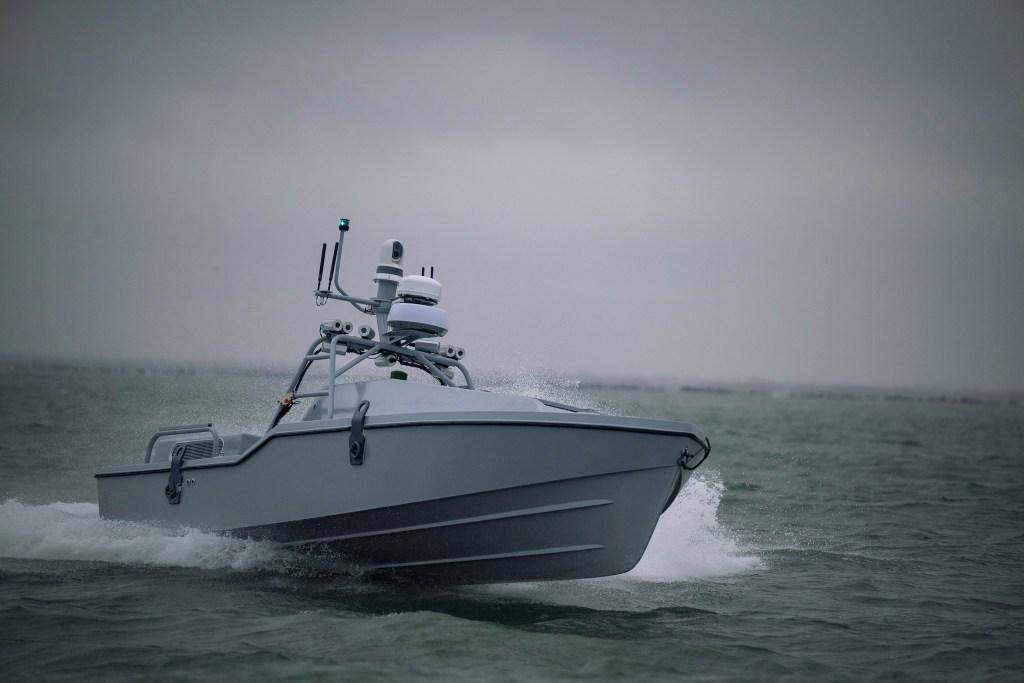
Saronic is on a mission to construct “the fleet of the future,” featuring autonomous warships. The company asserts that its shipyard will be the most advanced globally, capable of producing vessels ranging from small tactical boats to large ships efficiently and cost-effectively. Last year, Saronic secured a $392 million contract from the U.S. Navy for autonomous maritime capabilities. Notably, one of the company’s AI-powered vessels recently rescued two crew members from a downed U.S. Army helicopter in the Strait of Hormuz.
In response to inquiries regarding the location selection for Port Alpha, Saronic confirmed that it has not yet made a decision. A spokesperson stated, “Saronic’s nationwide search for a location to build Port Alpha remains active and ongoing,” emphasizing the thorough evaluation process involved in selecting a suitable site.