









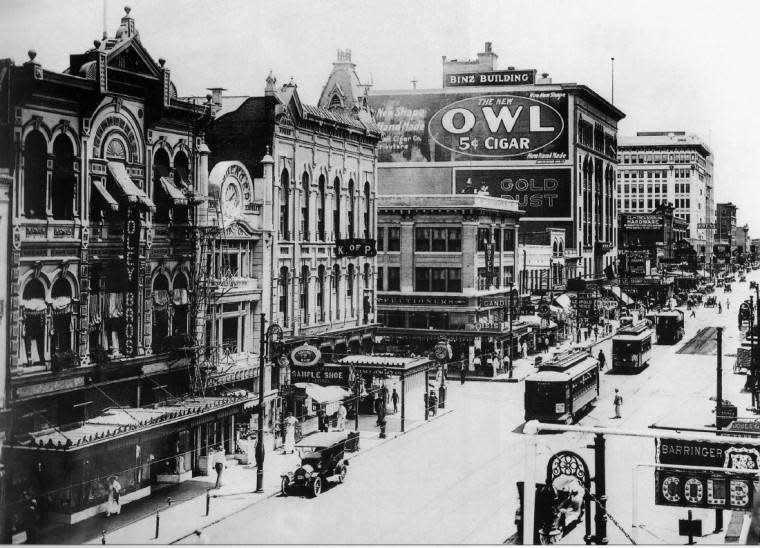
Exploring Historic Buildings in Houston: A Journey Through Time
Houston, Texas, is known for its dynamic skyline and rapidly growing economy, but beneath the surface lies a rich tapestry of history reflected through its stunning architecture. As one of the largest cities in the United States, Houston houses an array of historic buildings that showcase the evolution of its cultural and social fabric. These structures tell the stories of different eras, highlighting the region’s diversity, resilience, and innovation.
In a city often characterized by modern developments, Houston’s historic buildings provide a vital glimpse into the past. They serve not only as architectural landmarks but also as centers for community engagement and cultural preservation, which makes exploring them a rewarding experience for both residents and visitors alike.
The Architectural Heritage of Houston
19th Century Roots
The history of Houston’s architecture began in the 19th century with the establishment of the city in 1836. Early structures were primarily modest in scale and design, reflecting the economic realities of the time. One of the oldest surviving examples is the Allen Brothers’ home, built in 1836, which marked the beginning of Houston’s urban landscape.
Many of the early structures were constructed using local materials and featured elements characteristic of early American frontier architecture. Among these early buildings, the Chateau Sorell, built in 1868, stands out for its Victorian design. Its intricate woodwork and large porches are reminiscences of the lifestyle of Houston’s early affluent families.
The economic boom resulting from the discovery of oil in the 20th century allowed for more expansive and ambitious designs. The streets of Houston began to fill with commercial buildings and skyscrapers, but even as these modern structures emerged, many residents were eager to maintain the city’s historical essence.
Landmark Listings and Preservation Initiatives
In an effort to preserve its rich architectural history, Houston has established multiple preservation initiatives, including the Harris County Historical Commission and various local advocacy groups. These organizations work tirelessly to protect historic buildings from demolition and to advocate for the restoration of properties with historical significance.
Several historic buildings in Houston have received landmark status, ensuring their protection against potential development threats. Prominent examples include the St. Joseph’s Church, established in 1868, which continues to serve the community, and the Old Terminal at the William P. Hobby Airport, known for its Streamline Moderne design that reflects mid-century modern aesthetics.
These preservation efforts have led to the revitalization of neighborhoods such as the Heights and Midtown, where historic homes coexist alongside contemporary developments, creating an eclectic mix that attracts both residents and tourists. Walking through these districts feels like a time capsule, offering glimpses into the lives of those who came before while providing spaces for modern living.
Iconic Historic Buildings in Houston
The Majestic Theatre
The Majestic Theatre, opened in 1923, is one of Houston’s most cherished landmarks. Originally a movie palace, it was designed in a sumptuous architectural style, featuring elaborate decor that transports visitors back to the golden age of cinema. The theatre is known for its ornate interior, complete with a chandelier that dazzles and a grand staircase reminiscent of classic Hollywood.
Today, the Majestic Theatre serves as a venue for concerts, live performances, and other events, maintaining its important role in Houston’s cultural landscape. Its architectural heritage is meticulously preserved, thanks in part to its listing on the National Register of Historic Places. Regularly scheduled tours allow visitors to appreciate its historical significance and architectural beauty, ensuring that the legacy of the Majestic Theatre endures.
The theatre is not only a place of entertainment; it also serves as a vital community hub, hosting events that draw diverse audiences and fostering a love for performing arts. This intersection of history and modernity makes it a cornerstone of Houston’s cultural identity.
The Court of the Columns
Lauded for its striking neoclassical design, the Court of the Columns, built in 1910, has long been admired as an architectural gem. Located in downtown Houston, this building serves as a testament to the city’s roots in commerce and trade. Its grand portico, adorned with fluted columns and a pediment, exemplifies the grandeur of early 20th-century architecture.
Originally constructed as a commercial space, the Court of the Columns has endured through various transformations and has been utilized for a wide range of purposes. From housing offices to serving as a backdrop for local events, the building continues to engage the community. Recent restoration efforts have maintained the integrity of its historical features while adapting the space for modern use.
Visitors to the Court of the Columns can appreciate not just the beauty of its structure but also its role in facilitating a connection between Houston’s commercial past and its present economic vibrance. As one strolls through its halls, one can’t help but reflect on the countless stories embedded in its walls.
Modern Day Uses and Community Impact
Catalysts for Economic Development
The preservation of historic buildings significantly impacts Houston’s economy. These structures frequently become focal points for urban renewal, drawing businesses, residents, and tourists to surrounding areas. Areas that include well-maintained historic buildings, such as Lower Midtown and the Historic Third Ward, have witnessed increased real estate values and improved infrastructure as a direct result of preservation efforts.
Moreover, historic buildings frequently act as cultural touchstones for local communities. They are used for community events, markets, and festivals, helping to foster a sense of place and belonging among residents. By investing in the preservation of these structures, Houston not only honors its history but also cultivates economic opportunities through heritage tourism, attracting visitors interested in exploring the city’s past.
Many historic buildings are also repurposed as boutique hotels, restaurants, and event spaces, which allow them to thrive in the modern economy. This adaptability exemplifies how history and progress can coexist, providing economic sustainability while honoring the past.
The Role of Education and Awareness
Education plays a crucial role in the preservation of Houston’s historic buildings. Programs led by local advocacy groups aim to raise awareness about the city’s architectural heritage, encouraging community members to appreciate, protect, and become involved in preservation efforts. Schools and organizations host workshops, tours, and events designed to educate the public about the significance of historic structures and the cultural narratives they embody.
Important initiatives, such as guided walking tours led by local historians, allow participants to engage with the city’s architectural history. Participants discover the stories behind notable buildings and learn about their historical contexts, ensuring that the legacy of Houston’s past continues to inspire future generations.
Furthermore, the integration of technology in education efforts enhances the understanding of historic preservation. Virtual tours and interactive exhibits provide users with immersive experiences, allowing them to explore these buildings from anywhere in the world, democratizing access to Houston’s rich history.
Challenges and the Future of Historic Preservation in Houston
Facing Modern Development Pressures
Despite the many successes in preserving Houston’s historic buildings, challenges persist. The rapid pace of development often poses a significant threat to these structures. Developers may argue that the cost of maintaining older buildings is prohibitive, leading to the demolition in favor of newer, more economically viable projects.
Activist groups and preservationists continually advocate for stronger regulatory frameworks to protect at-risk buildings. They emphasize the importance of balancing development with preservation to maintain Houston’s unique identity. This includes negotiating with developers for adaptive reuse projects, which retain historic facades while allowing modern improvements to coexist.
The city’s growing population adds further pressure on limited land resources, necessitating careful planning that respects both historical significance and the need for growth. Engaging the community in conversations about development can lead to more thoughtful and sustainable outcomes, ensuring the preservation of Houston’s character amidst modernization.
Looking Ahead: A Collective Responsibility
Preserving Houston’s historic buildings is a collective responsibility that extends beyond individual advocacy groups. It involves a commitment from city officials, developers, and the community alike. Strategies that aim to foster collaboration among diverse stakeholders can pave the way for more successful preservation outcomes.
By prioritizing historical education and fostering a shared appreciation for Houston’s architectural accomplishments, the city can create a future where growth does not erase the past. Collaborative efforts between residents and preservationists, coupled with municipal support, can lead to innovative solutions that safeguard these treasures.
As Houston continues to evolve, its historic buildings will remain crucial in telling the story of the city. They serve as enduring reminders of resilience, creativity, and the shared history that binds the community. Embracing these narratives will ensure that both the city and its residents thrive, grounded in a profound respect for their cultural heritage.