







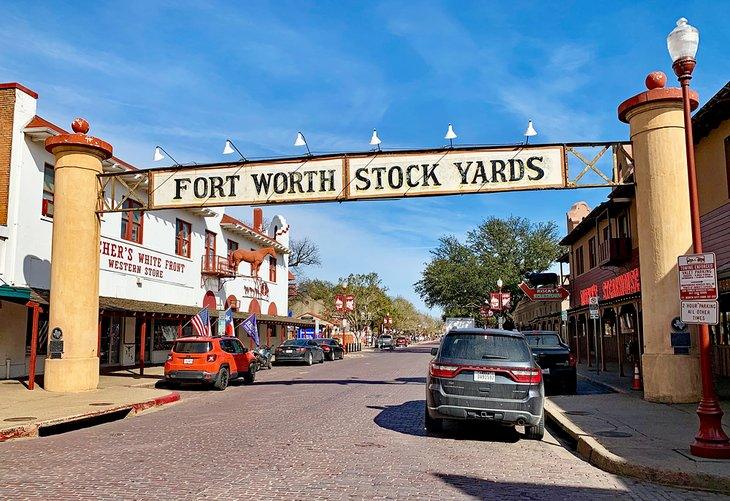
Discovering Fort Worth: A Journey Through Historic Landmarks
Fort Worth, Texas, often overshadowed by its neighbor Dallas, is a city rich in history and culture. Known for its vibrant arts scene, cowboy folklore, and unique blend of modernity and tradition, Fort Worth is home to numerous historic landmarks that reflect its storied past. From iconic structures to preserved sites, each landmark tells a tale that contributes to the essence of this remarkable Texan city.
Visitors and locals alike are drawn to Fort Worth’s historic attractions, which not only showcase architectural beauty but also honor the city’s deep roots in the cattle industry and the Western way of life. These landmarks invite exploration, memory-making, and a deeper understanding of Fort Worth’s evolution. Whether you are interested in art, history, or simply taking in scenic views, here is a guide to some of the most captivating historic landmarks you should visit in Fort Worth.
The Fort Worth Stockyards: A Glimpse into Cowboy Culture
The Fort Worth Stockyards, perhaps the most iconic representation of the city’s cattle-driving heritage, is a must-see for any visitor. Established in the late 1800s, this area was once the largest livestock market in the world and continues to celebrate Fort Worth’s Western roots. Today, the Stockyards have transformed into a lively district featuring shops, restaurants, and entertainment venues that keep the cowboy spirit alive.
As you walk through the Stockyards, you can witness a cattle drive that occurs twice daily, where real cowboys on horseback guide longhorn cattle down Exchange Avenue. This event serves as a thrilling reminder of the city’s historic role in the cattle industry and provides a unique photo opportunity that captures the essence of cowboy culture.
Don’t miss the chance to explore the Historic Stockyards Hotel, which has been in operation since 1907. This hotel is steeped in history and is said to be haunted, making it a great spot for ghost enthusiasts. The area is also home to numerous museums, including the Stockyards Museum, which provides insights into the development of Fort Worth as a major cattle hub. With saloons and old-style eateries lining the streets, the Stockyards is a dynamic blend of history and fun, making it a must-visit.
Highlights of the Stockyards
- Cattle Drive: Unique daily events showcasing Fort Worth’s cattle heritage.
- Historic Stockyards Hotel: Charming accommodations with a ghostly twist.
- Stockyards Museum: Exhibits dedicated to the ranching history.
- Shopping and Dining: Western-themed shops and authentic Texan cuisine.
The Kimbell Art Museum: A Treasure Trove of Art and Architecture
Founded in 1972, the Kimbell Art Museum is not just an art museum; it is a masterpiece in itself. Designed by renowned architect Louis Kahn, the museum’s architecture is celebrated for its innovative use of natural light and seamless connection to the surrounding landscape. Visiting the Kimbell offers a chance to appreciate both the artistic works within and the architectural elegance of the space itself.
The Kimbell Art Museum houses a collection that spans over 5,000 years, featuring works from classical antiquity to modern masterpieces. Among its highlights are pieces by European greats such as Caravaggio, Rembrandt, and Monet. The museum’s intimate atmosphere allows visitors to connect with the art on a personal level, making it an ideal destination for art enthusiasts and casual visitors alike.
In addition to its permanent collection, the Kimbell often hosts temporary exhibitions that showcase both renowned and emerging artists. The museum also features a stunning outdoor garden, which provides a tranquil retreat for visitors looking to reflect on their experiences. With its dual focus on art and architecture, a visit to the Kimbell Art Museum captures the essence of Fort Worth’s cultural landscape.
Why Visit the Kimbell Art Museum?
- Architectural Beauty: A stunning example of modernist design.
- Diverse Collection: Art from various historical periods and regions.
- Temporary Exhibitions: Opportunities to see new and noteworthy works.
- Serene Garden: A peaceful area for contemplation and relaxation.
Fort Worth’s Historic Water Gardens: A Unique Oasis
Located in the heart of downtown Fort Worth, the Fort Worth Water Gardens provide a quiet escape from the bustling city. Designed by architect Phillip Johnson and completed in 1974, these gardens are a study in modern landscape architecture and an impressive feat of engineering. The Water Gardens are not only beautiful; they are also a symbol of peace and relaxation amid urban life.
The gardens feature several distinct areas, each with its own unique design and water features. The Active Pool is particularly striking, with its plunging waterfalls and steep, jagged granite steps that allow visitors to experience the soothing sound of flowing water up close. Meanwhile, the Quiet Pool offers a serene space for contemplation, surrounded by lush greenery. The Reflecting Pool, with its calm waters reflecting the surrounding trees and sky, invites visitors to unwind and marvel at the tranquility of the environment.
What makes the Water Gardens even more special is their accessibility. They were designed to be free and open to the public at all times, making them an ideal spot for locals and visitors to explore. Whether it’s a quiet afternoon with a book or a photography session capturing the mesmerizing flow of water, the Fort Worth Water Gardens serve as a refreshing reminder of the beauty of nature in an urban setting.
Features of the Fort Worth Water Gardens
- Active Pool: An exhilarating cascade of water and impressive granite steps.
- Quiet Pool: A serene retreat perfect for reflection.
- Reflecting Pool: Stunning views that invite introspection and photography.
- Free Admission: Open to the public year-round, promoting accessibility.
See the Historic Tarrant County Courthouse
The Tarrant County Courthouse, an architectural jewel located in the heart of Fort Worth, is noteworthy for its stunning neo-Romanesque design. Completed in the early 1900s, this courthouse features intricate details, including beautiful stained glass windows, grand staircases, and striking stone carvings. It is often hailed as one of the finest examples of courthouse architecture in Texas and is listed on the National Register of Historic Places.
The exterior of the Tarrant County Courthouse is adorned with strong, detailed stonework that showcases the craftsmanship of its era. Its imposing dome, which towers over the city, makes it a landmark visible from various points around Fort Worth. Inside, visitors can appreciate the stunning frescoes and elaborate woodwork that transport them back in time. The building not only serves practical purposes as a functioning courthouse but also stands as a beautiful symbol of Fort Worth’s commitment to preserving its history.
Also worth noting is the surrounding area of the courthouse, which is filled with scenic walkways and park spaces, perfect for a leisurely stroll or a quick picnic. The courthouse is also home to several historical markers and plaques, providing educational insight into its significance and the history of the region. This landmark represents both the triumph of architectural design and the resources of local government, making it a significant spot to visit.
Features of the Tarrant County Courthouse
- Neo-Romanesque Design: An exquisite example of early 20th-century architecture.
- Stained Glass: Beautifully crafted windows that add to the interior’s charm.
- Education: Historical markers and information about the courthouse’s significance.
- Central Location: A part of the vibrant Fort Worth city life.
The Amon Carter Museum of American Art: Celebrating the American Spirit
In a city known for its artistic and historical charm, the Amon Carter Museum of American Art stands out as a centerpiece of American culture and creativity. Founded in 1961 by Amon Carter, a prominent Fort Worth businessman and newspaper publisher, this museum focuses on American art ranging from the 18th century to contemporary times. Featuring iconic collections of paintings, photographs, and sculptures, the Amon Carter is a treasure for art lovers.
The museum’s architectural design, created by renowned architect Philip Johnson, complements the beauty of the artwork displayed within. Visitors can experience a diverse range of artistic styles, including works by famous American artists such as Thomas Hart Benton, Georgia O’Keeffe, and Charles Russell, providing a comprehensive overview of the American art movement.
In addition to its impressive permanent collection, the Amon Carter Museum frequently hosts special exhibitions, educational programs, and community events aimed at fostering a love for American art and history. Its commitment to accessibility ensures that everyone, regardless of age or background, can enjoy and learn from the rich narratives expressed through art. This museum not only showcases the brilliance of American creativity but also serves as a gathering place for the community, bringing people together to celebrate culture and heritage.
Reasons to Visit the Amon Carter Museum
- American Art Focus: Exclusive collections from renowned American artists.
- Architectural Excellence: A stunning design enhances the visitor experience.
- Community Engagement: Programs and events designed to foster cultural appreciation.
- Free Admission: Open to the public with no entry fee.
Fort Worth’s Historic Homes: A Step Back in Time
Fort Worth is also home to several historic residences that tell intriguing stories of families who played vital roles in the city’s development. One notable example is the Thistle Hill, an exquisite mansion built in the early 1900s, which showcases the elegance of the era through its Richardsonian Romanesque architecture. This residence offers guided tours that enable visitors to experience life in Fort Worth during its early growth as a prosperous city.
The historic home is filled with antiques, period furnishings, and beautifully preserved details, making it a fantastic destination for those interested in history and interior design. Each room offers a glimpse into the lives of the original inhabitants and the stories that shaped the region. The tours often include insights into the architectural style, construction methods, and the significance of the home within Fort Worth’s history.
Another fascinating historic residence is the Log Cabin Village, which replicates a pioneer village in the 1800s. This living museum allows visitors to step back in time and experience life as it was for early settlers in Texas. The village consists of several log cabins, a schoolhouse, and a blacksmith shop, creating an immersive historical experience. On certain days, interpreters dressed in period costumes bring the village to life, engaging visitors with crafts, demonstrations, and stories of pioneer life.
Why Explore Historic Homes?
- Preservation of History: Understand the domestic life of early Fort Worth residents.
- Architectural Insights: Explore design styles that reflect historical trends.
- Interactive Experiences: Engage with living history in the Log Cabin Village.
- Community Education: Learn about the roots of Fort Worth’s culture and development.
Exploring Fort Worth’s historic landmarks offers a unique perspective on the city’s evolution and cultural tapestry. From the lively atmosphere of the Stockyards to the architectural beauty of the Kimbell Art Museum, each site is a testament to Fort Worth’s storied past and its vibrant present. As you discover these historic locations, you not only enrich your understanding of the city but also create lasting memories of your time spent in this Texas gem.
Ultimately, a visit to Fort Worth is a journey through time, where modernity meets tradition, and every landmark is a chapter waiting to be explored. From the breathtaking art to the captivating stories etched into the very fabric of this community, Fort Worth extends an invitation to delve deeper into its heritage and experience all that it has to offer.