









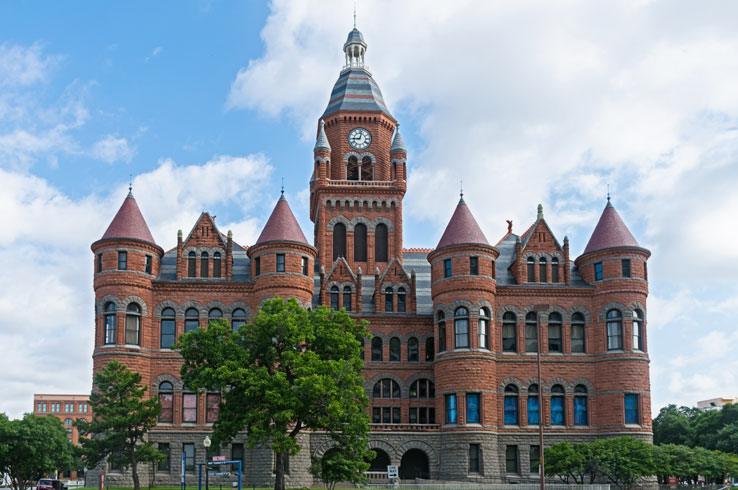
Exploring Historic Texas Courthouses
The state of Texas is known for its vibrant culture, expansive landscapes, and rich history, but perhaps one of its most charming features is the multitude of historic courthouses scattered throughout its towns and cities. Each courthouse tells a unique story, reflecting the architectural styles and civic pride of the time when they were built. With their impressive facades and intricate designs, these structures serve not only as functional buildings but also as monuments to Texas’s judicial and civic history.
As you travel through Texas, visiting these historic courthouses can be a captivating way to connect with the past and appreciate the artistry that embodies Texan heritage. From Gothic Revival to Romanesque styles, these courthouses display a range of architectural influences, each with its own narrative. This journey will take you through some of the most iconic and picturesque courthouses worth exploring across the Lone Star State.
Iconic Architectural Styles
Texas courthouses come in a diverse array of architectural styles, capturing various historical influences throughout the state’s development. The architectural design of a courthouse not only reflects aesthetic choices but also embodies the values and priorities of the communities they serve. Here are some notable architectural styles found in Texas courthouses:
Gothic Revival
One of the more dominant styles of courthouse architecture in Texas is Gothic Revival. Characterized by pointed arches, ribbed vaults, and flying buttresses, this style evokes the grandeur of medieval Europe. The Travis County Courthouse in Austin exemplifies this style with its vibrant red brick and intricate stone detailing. Built in 1892, this courthouse has become an iconic representation of the city, often photographed against the backdrop of the Capitol building nearby.
Another excellent example is the Hill County Courthouse in Hillsboro. Constructed in 1890 and topped with a towering clock tower, it features ornate spires and detailed stonework that immediately draw the eyes. The courthouse has been restored multiple times, ensuring that its historical integrity remains intact while allowing residents and visitors alike to appreciate its stunning beauty.
Romanesque Revival
On the other end of the spectrum, many courthouses in Texas exhibit the Romanesque Revival style, which is defined by its robust appearance, Roman arches, and a more substantial, almost fortress-like feel. The Cooke County Courthouse in Gainesville is a prime example, with its brownstone façade and bold arches giving it a distinctly commanding presence. Constructed in 1896, the courthouse features exquisite stained glass windows and a large entry staircase that welcomes visitors to its main doors.
The McLennan County Courthouse in Waco showcases this style beautifully. With its Richardsonian Romanesque elements, the building features rounded arches and a large clock tower that stands tall above the surrounding cityscape. The red sandstone and limestone combination gives the structure a warm and inviting appearance, seamlessly blending history with modern-day use.
Classical Revival
As the 20th century approached, many courthouses began to reflect the Classical Revival style, characterized by grand columns, pediments, and symmetrical proportions. The Bell County Courthouse in Belton is an exemplary model of this style. Completed in 1884 with its impressive Doric columns and elaborate portico, it exudes a sense of stability and permanence.
Another prime example is the Fort Bend County Courthouse in Richmond. Built in 1908, this courthouse combines elements of Classical architecture with unique local flavors. The square, columned roof and intricate carvings make it a standout feature within the town, serving as a focal point for civic activities and events.
Cultural Significance of Courthouses
Texas courthouses are much more than mere buildings; they are the heart and soul of their communities. These structures have served various purposes throughout history, acting as centers for civic engagement, social gatherings, and legal matters. Their significance goes beyond architecture, as they symbolize local pride and community cohesion.
Many courthouses have witnessed pivotal moments in history, from local government meetings to legal battles that shaped the rights of Texan citizens. The Johnson County Courthouse in Cleburne is particularly significant, as it saw significant civil rights cases during the 20th century. The courthouse served as a backdrop for challenges against discrimination and inequality, marking it as a site of historical importance in Texas civil rights history.
Additionally, courthouses often host community events and festivities, further solidifying their role as community hubs. In towns like Gonzales, the courthouse square becomes a gathering place for annual fairs and celebrations, drawing residents and visitors alike to celebrate their shared heritage. These events foster a sense of pride and connection among residents, reinforcing the idea that courthouses are integral to the community’s identity.
Unique Features to Discover
While exploring Texas courthouses, visitors will uncover various unique features that add to their charm and historical significance. Many courthouses have preserved their original designs, showcasing intricate artwork and impressive structural elements that tell a story of craftsmanship and dedication.
Art and Murals
Inside many courthouses, visitors can find stunning artwork and murals that reflect local history and culture. For example, the Erath County Courthouse in Stephenville features murals painted by local artists that depict significant events in the county’s history. These artworks serve as a reminder of the community’s past, enhancing the cultural experience for anyone who steps inside.
The Harris County Courthouse in Houston includes detailed frescoes and decorative tilework that narrate the history of Texas itself, from its early days of settlement to modern achievements. Such artistic features provide intriguing insights into the lives of those who came before, allowing visitors to connect with the spirit of the state and its evolution over time.
Landscaped Grounds
Courthouse grounds often feature beautifully landscaped gardens and historic monuments that invite visitors to spend time exploring their surroundings. The Marion County Courthouse in Jefferson is complemented by a picturesque park adorned with live oak trees and marble benches, creating a serene environment for relaxation and reflection.
Many courthouses also serve as venues for annual reenactments and community gatherings, utilizing the lush grounds to celebrate local culture and history. Events held in these settings further encourage civic pride and bolster community spirit, making them cherished spaces for residents of all ages.
Planning Your Visit
Traveling to Texas to visit these historic courthouses is an enriching experience that allows you to appreciate the state’s vibrant history and architecture. To make the most of your trip, consider the following tips to plan your visit effectively:
- Research Locations: Each courthouse has its own unique history and architectural details, so researching ahead can enhance your visit. Make a list of the courthouses you’d like to see and plan your route accordingly.
- Check Visiting Hours: Many courthouses are still operational, so it’s vital to check visiting hours and any restrictions to ensure you can explore these historical sites.
- Attend Local Events: Look for community events and activities that may be taking place at the courthouses. Participating in these events can add a unique dimension to your visit.
- Photography Etiquette: Be mindful when taking photographs, especially during active court sessions. Always ask for permission if you plan to photograph people or specific events.
Finally, remember to take your time. Each courthouse holds a unique story, and visiting these majestic structures can be a memorable journey through Texas’s history. Take a moment to engage with local history and create lasting memories as you explore these beautiful courthouses that characterize the heart of Texas.