







Historic Texas Train Stations: A Journey Through Time
Texas, the second-largest state in the U.S., is not only known for its vast landscapes and rich culture, but also for its storied railway history. Over the years, train stations across the state have served as more than just transit points; they have been hubs of commerce, communication, and community life. Many of these historic train stations are evocative reminders of a bygone era, showcasing stunning architecture and rich narratives that reflect the evolution of travel and trade in Texas. Delving into these iconic structures reveals a tapestry of history intertwined with the advancement of rail travel from the 19th century onward.
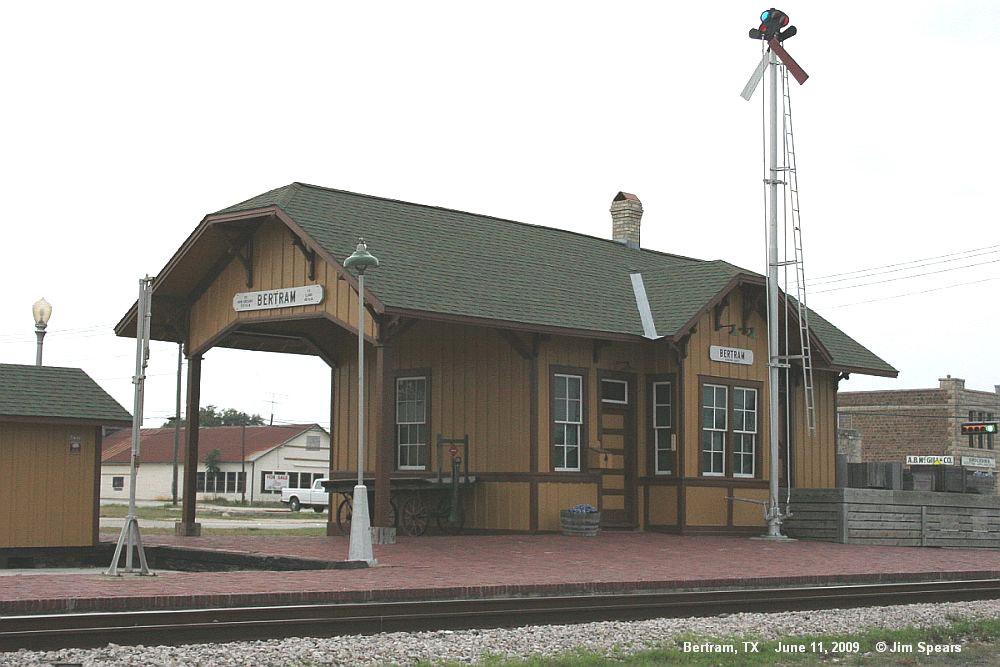
The railroad industry flourished in the late 1800s, transforming Texas from a primarily agrarian society into a commercial powerhouse. As towns sprang up around railroads, the train stations became focal points for growth and development. Today, many of these stations have been preserved or repurposed, serving as museums, restaurants, or even homes for cultural events. Visiting these sites offers a glimpse into the past, shedding light on the state’s economic and social transformation.
This article explores some of the most notable historic train stations throughout Texas, highlighting their architectural significance, historical importance, and the stories they tell about the Lone Star State’s railway heritage.
The Grand Central Station of Texas: Houston’s Union Station
Opened in 1911, the Houston Union Station represented the height of early 20th-century railway architecture. Designed by renowned architect Walter W. Sharp, its elaborate structure is characterized by a stunning blend of Romanesque and Renaissance Revival styles, showcasing intricate masonry and detailed stonework. The station’s grand waiting room, with its high ceilings and expansive floor space, once hosted thousands of travelers daily.
Throughout the years, Houston Union Station played a crucial role in the economic growth of Houston and the greater Texas Gulf Coast region. It became a critical point of connection for freight and passenger services, linking Houston to major cities such as Dallas, San Antonio, and even New Orleans. As one of the busiest railway hubs in the country during its peak, it not only facilitated the movement of people but also boosted local commerce by enabling swift transportation of goods.
Although passenger services ceased in the 1960s, the building continued to serve commercial purposes, housing various businesses and offices. Today, revitalization efforts have led to its inclusion in Houston’s Historic District, which allows visitors to admire its architectural beauty while engaging with local history. Several events, such as historical reenactments and cultural festivals, are held at the station, further emphasizing its role as a community gathering space.
Preservation and Cultural Significance
The preservation of Houston’s Union Station highlights the importance of recognizing and maintaining historical landmarks. As urban spaces evolve, many historic structures face the threat of demolition or neglect. Efforts by city officials and local historians to revitalize Union Station serve as a testament to the power of community engagement in preserving Texas’s rich heritage. The station is a perfect example of how historic buildings can be incorporated into modern urban life, providing a bridge between the past and the future.
By showcasing Houston’s Union Station, visitors can glean insights into early 20th-century travel while enjoying a contemporary setting. The station has even inspired local artists and designers, leading to public art installations that celebrate its significance. These creative endeavors help reinforce the narrative of how railroads influenced Texas’s urban development and foster a sense of pride in the local heritage.
San Antonio’s Historic Southern Pacific Depot
Known as the Southern Pacific Depot, this station is a striking example of Mission Revival architecture, which marries influences from Spanish colonial design with American functional elements. Completed in 1907, it served as a hub for Southern Pacific Railroad trains. The station’s distinctive clock tower and terracotta roof tiles make it one of San Antonio’s architectural gems.
The Southern Pacific Depot played an integral part in the growth of San Antonio, acting as the main station for long-distance travel in the region for decades. As tourism boomed, it linked travelers to popular destinations such as the Alamo and various cultural landmarks in the city. The depot’s significance extended beyond just transportation; it became a cultural touchstone for locals and visitors alike, with many remembering it as part of their family journeys.
In addition to its aesthetic appeal, the Southern Pacific Depot reflects a time when train travel was considered luxurious. Passengers enjoyed amenities such as dining cars and sleeper compartments, making their journeys not only practical but memorable. The ambiance of the depot came to encapsulate the spirit of adventure and exploration that defined early 20th-century America.
A New Chapter for the Southern Pacific Depot
Today, the Southern Pacific Depot is home to the San Antonio Museum of Art, which has further solidified its status as a community hub. Through creative adaptive reuse, the building retains its historical character while serving a contemporary purpose, uniting art, culture, and history under one roof. This transformation exemplifies how historic sites can evolve and remain relevant while continuing to honor their past.
The museum regularly hosts exhibitions showcasing the cultural heritage of the region, allowing visitors to experience art while appreciating the historic architecture of the depot. This synergy between past and present promotes a deeper understanding of how rail travel has shaped San Antonio and Texas as a whole. Moreover, it creates opportunities for community engagement, making it a vibrant center for learning and cultural exchange.
Fort Worth’s Iconic Santa Fe Depot
Constructed in 1914, the Santa Fe Depot in Fort Worth is another example of stunning architectural design, showcasing a combination of the Beaux-Arts and Spanish Mission styles. The depot was a vital part of the Santa Fe Railroad and played a significant role in transporting both freight and passengers across Texas. The site’s grand exterior, complete with ornate arches and a sprawling platform, has made it a favorite among photographers and architecture enthusiasts.
The Santa Fe Depot was strategically located to serve as a grounding point for travelers in Fort Worth. At its peak, it facilitated travel to cities including Amarillo, El Paso, and the bustling markets of Dallas. The station epitomizes the golden age of rail travel, when journeys were often events in themselves, complete with elegant dining options and luxury accommodations.
Throughout its years of operation, the Santa Fe Depot has welcomed countless notable figures, from politicians to entertainers. Its walls have witnessed chapter after chapter of Texas history, marking significant transitions within the state’s cultural and economic landscapes. The depot has not merely served as a point of transit but has fostered connections and birthed communities.
Revitalizing Fort Worth’s Santa Fe Depot
In recent years, efforts to restore and repurpose the Santa Fe Depot have gained momentum. As Fort Worth continues to grow and develop, preserving this historic landmark has become a priority for community advocates. Plans are underway to turn the depot into a mixed-use space, incorporating retail, dining, and event facilities while keeping the character of the original structure intact.
Community engagement has been vital to these efforts, with residents and local historians advocating for the depot not only as a heritage site but also as a cultural catalyst for revitalization. By transforming the Santa Fe Depot into a vibrant venue that celebrates Fort Worth’s history while encouraging local commerce, city planners hope to foster a deeper appreciation for the city’s architectural treasures. Visitors will have the opportunity to interact with local businesses, art installations, and cultural events, creating a unique experience steeped in the city’s rich railway legacy.
Galveston’s Historic Railroad Museum
The Galveston Railroad Museum is housed in the former Galveston train depot, which was built in 1911 and served as a critical transport hub throughout the 20th century. This museum is not just a repository of artifacts; it showcases the importance of railroads in shaping the cultural and economic landscape of Galveston. Within its walls, visitors can find an impressive collection of vintage locomotives, passenger cars, and historical exhibits that encapsulate the role of railways in local history.
As one of the few places in the state to experience both rail and maritime history, the Galveston Railroad Museum highlights the interconnectedness of various modes of transportation. This blend is essential in understanding how goods and people moved in a bustling port city. Exhibits feature everything from antique trains to stories of the labor force that built and maintained the railroad systems, allowing visitors to experience the rich fabric of railroad history firsthand.
The museum takes pride in its family-friendly atmosphere, offering interactive exhibits and educational programs that engage audiences of all ages. Children and adults alike can climb aboard vintage trains, participate in hands-on workshops, and attend events celebrating the rich history of railroads in Texas. The museum not only serves as an educational resource but also as a gathering place for families and history buffs to come together and celebrate the important legacy of the railroads.
Connecting Communities through Railroad Heritage
In preserving the Galveston Railroad Museum, there is a considerable emphasis on community involvement and education. Through partnerships with local schools and historical societies, the museum serves a deeper purpose beyond preservation; it acts as a cultural connector, fostering pride and historical awareness among residents. Community events hosted by the museum often feature local artists, musicians, and craftsmen, further enhancing the relationship between Galveston’s past and present.
Moreover, the Galveston Railroad Museum is positioned to engage with visitors from beyond the city, drawing attention to the broader implications of Texas’s railroad history. By offering a venue that highlights local heritage while inviting discussions about infrastructure and cultural development, the museum serves as a catalyst for community improvement and tourism.
Reviving Texas’s Rail Heritage
The journey to explore Texas’s historic train stations paints a vivid picture of the state’s transformation alongside advancements in railway travel. Each station encapsulates not only the architectural styles of its time but also the myriad stories that reflect an evolving society. While these stations may serve different functions today than they did in their heyday, they continue to resonate with significance.
As communities work to preserve these historic sites, the collaborative efforts seen at each location become vital. They highlight the responsibility of both local governments and citizens to ensure that the legacies of the past are celebrated and learned from. The transformation of these train stations into museums, cultural centers, and community spaces reinforces their enduring importance in fostering local identity and pride.
Visiting historic train stations is not just an opportunity to appreciate architecture; it’s a chance to engage with the narratives that shaped Texas. By seeking to maintain and celebrate these historic sites, Texan communities offer a compelling invitation to travelers and residents alike to discover the rich tapestry of railway heritage that reflects their journey through time.