








The Legacy of Oil in Texas History
The state of Texas is often associated with wide-open spaces, cattle ranching, and a rugged frontier spirit. However, an equally profound identity is created by the dark, viscous liquid that flows beneath its vast lands—oil. From its discovery in the 19th century to its current status as a cornerstone of the Texas economy, oil has significantly shaped the trajectory of the state, influencing its culture, economy, and politics. This article explores the complex legacy of oil in Texas history and how it continues to define the Lone Star State.
Oil was first discovered in Texas in the late 1800s, but it was the Spindletop gusher in 1901 that heralded the beginning of the Texas oil boom. This transformative moment not only marked the beginning of a new economic era for the state but also placed Texas at the forefront of the global oil industry. Over the decades, the discovery and extraction of oil have left an indelible mark on Texan culture and identity, intertwining itself with the lives of its people and even shaping national narratives. To truly grasp the legacy of oil in Texas, it is essential to delve into its historical significance, economic impact, environmental challenges, and cultural influences.
The Discovery and Early Development of Oil
Spindletop: The Dawn of the Oil Boom
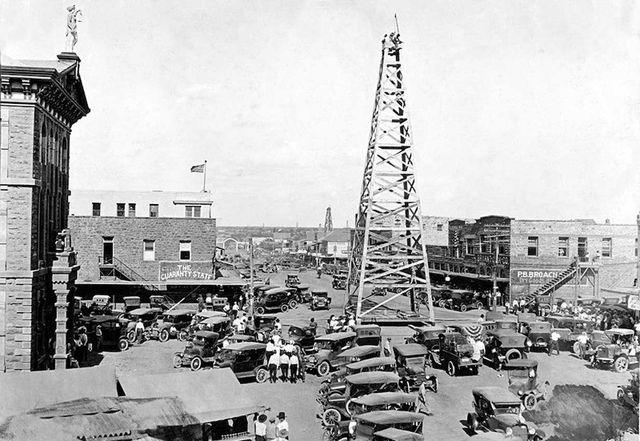
The story of oil in Texas begins earnestly with the Spindletop gusher, a geological formation located near Beaumont. On January 10, 1901, the Lucas Gusher erupted, spewing oil more than 100 feet in the air. This event unmasked a hidden treasure beneath Texas soil and instantly attracted attention from around the country and the world. As news spread, it led to a surge of investments, changing the economic landscape of Texas dramatically.
Prior to Spindletop, Texas was primarily an agrarian society, with cotton and cattle as the mainstays of the economy. However, the gusher’s eruption transformed Beaumont from a sleepy town into a bustling hub of oil exploration and production overnight. The boom quickly spread to other parts of Texas, leading to the establishment of towns like Port Arthur, and ushering in a wave of fortune seekers, entrepreneurs, and speculators.
The gusher at Spindletop left an undeniable legacy. In the years following its discovery, thousands flocked to Texas in pursuit of wealth, leading to a significant population increase and urban growth. Oil refineries, supply companies, and service industries sprouted up almost overnight, fueling the economy. Names like Texaco, Gulf Oil, and Mobil emerged, becoming staples of the American oil industry.
The Texas Railroad Commission: Regulating a Booming Industry
As oil production flourished, so did concerns over regulation and the industry’s impact on the state’s resources. The Texas Railroad Commission (TRC), established in 1891, initially aimed to regulate railroad rates but expanded its mandate to include regulating the oil and gas industry due to the rapid increase in production. This unique regulatory body was tasked with overseeing drilling permits, production limits, and environmental safeguards, laying a critical foundation for the industry’s future development.
The TRC’s role in oil regulation not only protected Texas’s oil reserves but also facilitated fair competition among oil producers. This was vital during the boom when unscrupulous practices were common, and oil fortunes were made and lost overnight. Through measures like prorationing—where production was limited to stabilize prices—TRC helped to mitigate the market’s wild fluctuations and ensure long-term sustainability.
The influence of the TRC exemplifies how the governance of oil resources became intertwined with Texas identity and politics. Not only did it shape the legal landscape for oil extraction, but it also fostered a culture of innovation within the industry, prompting technological advancements in drilling and extraction. Thus, the TRC’s establishment marked a critical juncture in balancing economic prosperity with responsible evaluation of the environmental costs.
The Economic Impact of Oil in Texas
Oil’s Role as an Economic Engine
The Texas oil industry has been an economic powerhouse since its inception, continuously evolving to meet changing demands. It has historically been the backbone of the state’s economy. The revenue generated from oil extraction has funded countless infrastructure projects, education systems, and public services, solidifying its role in the Texas economic structure. According to the Texas Oil and Gas Association, oil and natural gas account for over 14% of Texas’ economy, contributing significantly to state and local tax revenues.
In Texas, jobs related to the oil and gas industry extend beyond the oil fields. The sector has created numerous positions in engineering, construction, logistics, and more, offering stable employment opportunities for millions. Moreover, the interconnectedness of oil production with other sectors—including transportation, manufacturing, and agriculture—underscores how pivotal oil is to the broader economy of the state.
Beyond job creation, oil also serves as a source of foreign investment. Texas has attracted billions of dollars in investments from international oil companies seeking to tap into the state’s vast resources. This interest has led to advancements in technology and operational efficiencies, ensuring that Texas remains competitive on a global scale. The economic footprint of oil is not just significant; it is foundational to understanding the state’s growth trajectory and future potential.
The Oil Price Crisis and Economic Resilience
The cyclical nature of the oil market has brought both booms and busts to Texas’s economy. The oil price crisis of the 1980s stands as a stark reminder of the vulnerabilities wrought by economic dependence on oil. When oil prices plummeted due to overproduction and geopolitical tensions, thousands of Texas oil workers lost their jobs, and many companies went bankrupt. Cities like Odessa and Midland, which had thrived during the boom, faced economic ruin.
However, the resilience of Texas in overcoming such economic challenges is remarkable. The state has continually adapted its economic strategies to lessen dependence on oil revenue through diversification. Industries such as technology, healthcare, and renewable energy have begun to gain traction, providing new avenues for growth and reducing reliance on oil.
This economic resilience highlights a broader truth about Texas: while oil has shaped the state’s identity and economy, it is not the only force at play. The ability to innovate and pursue alternative industries ensures that Texas remains a vital player in the national landscape, even in the face of global energy transitions.
Environmental Challenges and the Impact of Oil
Environmental Concerns and the Oil Industry
The story of oil in Texas is not one devoid of controversy. The environmental consequences associated with oil extraction, refining, and transport have sparked significant debates within the state and beyond. From oil spills to air pollution and water contamination, the oil industry poses profound risks to Texas’s natural resources and public health. Major spills and catastrophic events, like the Deepwater Horizon incident in 2010, have raised alarms over industry practices and the long-term impacts on ecosystems.
As Texas has grappled with these issues, various environmental organizations have emerged to advocate for sustainable practices within the oil and gas industry. Groups focused on mitigating oil spills, reducing emissions, and advocating for more stringent regulations have played a crucial role in raising awareness about environmental challenges. This advocacy has prompted some oil companies to adopt more responsible practices, including investing in clean-up technologies and sustainable extraction methods.
Innovations in extraction technologies, such as hydraulic fracturing (fracking) and horizontal drilling, have increased oil production significantly but not without controversy. Concerns about groundwater contamination and methane emissions have led to protests and heightened scrutiny, demonstrating the need for a balanced approach to resource extraction that prioritizes environmental health.
The Future: Toward Sustainability and a New Energy Paradigm
The future of oil in Texas is likely to evolve as the world transitions toward more sustainable energy sources. The rise of renewable energy technologies, such as wind and solar power, positions Texas uniquely as both a leading oil producer and a growing hub for clean energy development. Texas leads the nation in wind energy and is rapidly expanding its solar energy capacity, highlighting the potential for a diversified energy portfolio.
As environmental concerns take center stage, many oil companies are pivoting to explore renewable technologies, investing in carbon capture and storage, and transitioning toward more sustainable practices. This hybrid energy future represents a challenge and an opportunity for Texas to reimagine its energy landscape while honoring its rich legacy in oil.
Furthermore, local policies, coupled with federal incentives aimed at curbing carbon emissions, are likely to play critical roles in shaping how the oil industry evolves. The challenge lies in balancing economic pressures with the imperative for environmental accountability, ensuring that Texas’s rich energy heritage transitions into a sustainable future.
Oil and Texas Culture: A Complex Identity
The Cultural Significance of Oil
Beyond economics and environmental concerns, oil has significantly influenced the cultural fabric of Texas. The oil industry is deeply intertwined with Texas identity, inspiring folklore, songs, and even literature. The tales of cowboys and oil barons illustrate the rugged individualism and entrepreneurial spirit that many Texans hold dear. For instance, the famous Texas song “Oil Man” encapsulates the state’s folklore about oil wealth and adventure, further embedding oil into the Texas narrative.
Additionally, the oil industry has shaped the region’s communities in profound ways. Towns that flourished during oil booms often have deep-rooted traditions and celebrations that pay homage to their oil-rich past. Oil museums, historical markers, and annual festivals dedicated to oil heritage can be found throughout Texas, preserving the historical significance of oil in the state’s social fabric.
The local culture surrounding oil is also characterized by a unique resilience and optimism—qualities that reflect the ups and downs of the industry itself. This cultural narrative is not merely about wealth but also about community, innovation, and Texas pride. The legacy of oil thus embeds itself into the psyche of Texans, shaping their values, community interactions, and sense of place.
A Lasting Legacy
As Texas stands at the crossroads of economic changes and environmental challenges, the legacy of oil remains prominent. The dark, rich substance that once sparked an economic revolution continues to catalyze debates on sustainability, environmental responsibility, and cultural identity. For many Texans, oil represents not only a source of livelihood but also a symbol of ingenuity, perseverance, and the Texas spirit.
The future of oil in Texas reveals a complex interplay between honoring its rich history and adapting to the demands of a sustainable future. While the state has made strides in diversifying its economy and embracing renewable energy, the imprint of oil will forever remain an integral part of what it means to be Texan. As energy paradigms shift, the legacy of oil in Texas serves as a poignant reminder of both its profound impact on the state’s past and its potential to drive future innovations.