









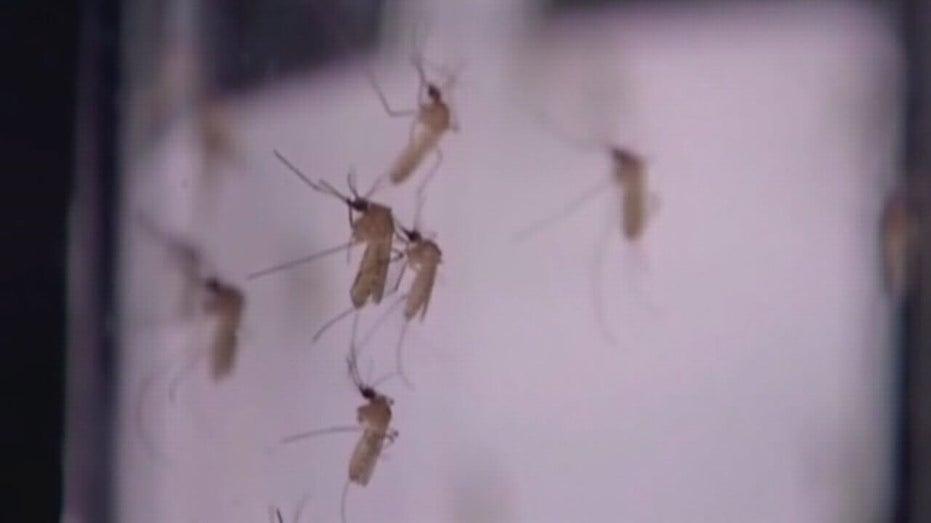
Harris County Public Health and the Houston Health Department have reported confirmed cases of West Nile Virus (WNV) in humans for the year 2026. The Houston Health Department has identified three human cases, including an older adult male from northern Harris County who tested positive for the virus.
Last year, Harris County (excluding Houston) documented ten human cases of WNV without any related fatalities. In contrast, the City of Houston reported one human case, also with no deaths.
Health Officials Emphasize Vigilance
Dr. Ericka Brown, Local Health Authority for Harris County and Director of the Community Health and Wellness Division, emphasized the importance of remaining vigilant against mosquito-borne diseases, which can have severe long-term health implications. She noted, “Our Mosquito and Vector Control program effectively identifies mosquitoes that test positive for WNV and conducts spraying in affected areas to mitigate the risk of disease transmission. However, community collaboration is crucial in protecting ourselves and our loved ones.”
Dr. Theresa Tran, Local Health Authority for the City of Houston and Director of the Houston Health Department, echoed these sentiments, reminding the public that while efforts are in place for mosquito control, proactive measures are necessary, particularly for high-risk groups such as older adults and individuals with chronic health conditions.
Statistical Overview
In 2025, Harris County recorded a total of ten human cases of WNV illness, while the City of Houston had one case, both with no reported deaths.
Preventative Measures
The Harris County Public Health Department (HCPH) is committed to mosquito control throughout the year, but community involvement is essential, especially during warmer months. Residents are encouraged to practice the “3 Ts” of mosquito prevention: Tip, Toss, and Take Action.
- Tip: Eliminate standing water from items like flowerpots, buckets, toys, birdbaths, and tires, as mosquitoes breed in stagnant water.
- Toss: Discard unused items that can accumulate water.
- Take Action: Wear long sleeves and pants outdoors, apply EPA-approved insect repellent, and ensure window and door screens are intact.
Understanding West Nile Virus Symptoms
Most individuals infected with WNV exhibit no symptoms. However, about one in five may experience mild symptoms such as fever, headache, or body aches. In some cases, WNV can lead to more severe illness affecting the central nervous system, characterized by high fever, severe headache, neck stiffness, confusion, and muscle weakness. Such cases often require hospitalization and can be fatal.
While anyone can contract mild or severe illness from WNV, certain groups are at a higher risk of experiencing severe symptoms, including older adults (particularly those aged 65 and above) and individuals with chronic health conditions such as cancer, diabetes, hypertension, or kidney disease.
If you suspect you may have been infected with West Nile Virus, it is important to contact your healthcare provider. For further information about WNV and tips for mosquito prevention, please visit HCPH’s website.