








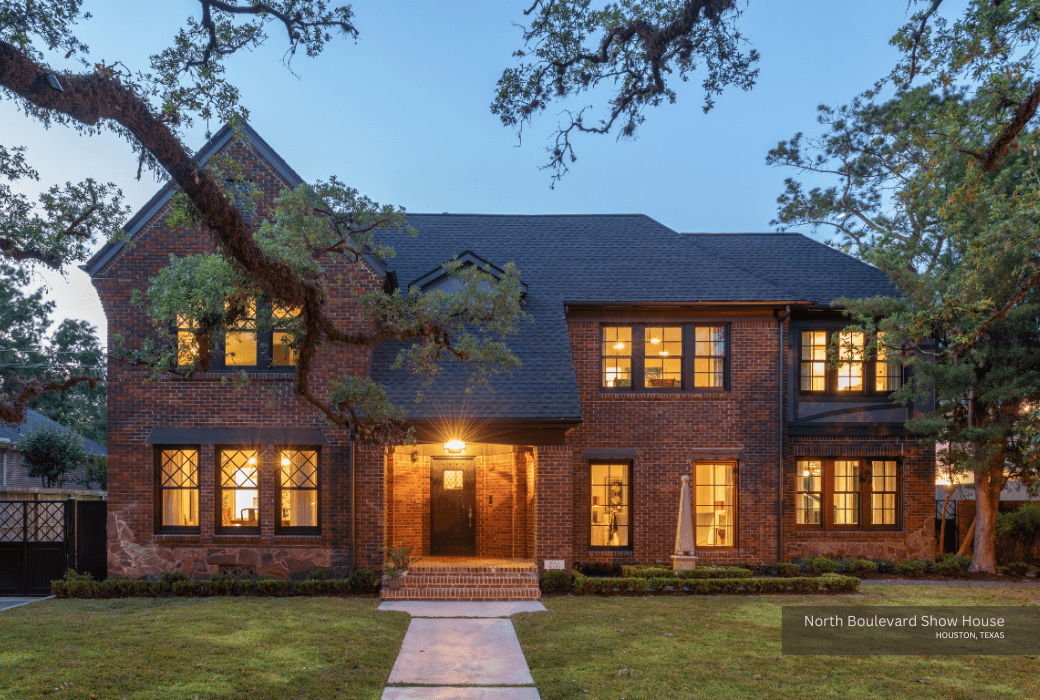
Houston Architecture: A Fusion of Modern and Classic Styles
Houston, Texas, is a thriving metropolis known not just for its vibrant economy and diverse culture but also for its stunning architecture. The city showcases a unique blend of modern skyscrapers and classic buildings that tell the story of its rich history and rapid growth. As one strolls through the city streets, the juxtaposition of different architectural styles creates an intriguing narrative, with each structure reflecting its unique time and influence.
From the stately elegance of historic homes to cutting-edge designs by contemporary architects, Houston’s architecture is as varied as its population. The city’s skyline, which has evolved significantly over the decades, encapsulates the spirit of innovation while paying homage to its roots. This article delves deep into the architectural landscape of Houston, exploring both the modern marvels that define its skyline and the classic constructions that anchor its historical identity.
The Rise of Modern Architecture in Houston
Modern architecture in Houston is characterized by its innovative designs, bold materials, and a focus on functionality while enhancing urban living. The late 20th century marked a significant shift in the city’s architectural approach, influenced by a rapidly growing economy and the >need for new commercial spaces.
One of the most iconic examples of modern architecture in Houston is the Williams Tower. Completed in 1983, this skyscraper stands tall as a beacon of Houston’s commercial prowess. Designed by the renowned architect Cesar Pelli, the structure is noted for its reflective glass facade and distinctive profile, which captures the light and surrounds of its environment. At 64 stories high, it was the tallest building in Texas until 1999, symbolizing the city’s growth and ambition.
Another notable example is the Little Harris County Courthouse, designed by architect Gio Ponti in 1971. This structure is celebrated for its sleek, rectilinear design and extensive use of glass. The innovative use of materials not only allows for natural light to stream into the building but also creates a seamless connection between the interior and the exterior. Such buildings demonstrate how Houston’s modern architecture employs new technologies and materials to redefine traditional forms and functions.
Green Architecture: Balancing Aesthetics and Sustainability
As awareness of environmental sustainability grows, Houston has also embraced green architecture. This focus on sustainable building practices demonstrates the city’s commitment to innovation and responsibility. Modern designers have started emphasizing not only aesthetics but also the impact of their buildings on the environment.
The Green Building Council has recognized several buildings in Houston for their sustainable designs. One such example is the Energy Center, which incorporates innovative energy-efficient technologies and materials. The building exemplifies *passive solar* principles, utilizing natural light and reducing energy reliance. Such features are becoming essential for modern architecture, showcasing how Houston is on the leading edge of environmental-conscious design.
Additionally, Houston’s Houston-Galveston Area Council actively promotes practical, sustainable design in its architecture through initiatives that encourage vegetative roofs, solar power, and water recycling systems. Architecture firms in Houston are now increasingly prioritizing these sustainable practices, showcasing a commitment to a cleaner and greener outlook for the future.
Classic Architecture: Historical Influences and Heritage
While modernity often takes center stage, Houston boasts a rich array of classic architectural styles that reflect the city’s deep-rooted history and cultural evolution. From Neoclassical masterpieces to exquisite Victorian homes, the classic architecture found throughout the city serves as a reminder of its past.
One of the most striking examples of classic architecture is the Buffalo Bayou Park Cistern, a hidden gem built in 1926. This underground reservoir is a monumental example of workforce sophistication in Houston’s early development. Its vaulted ceilings and stone archways provide an awe-inspiring space that demonstrates the city’s classic architectural style. The Cistern has been transformed into a public art space while preserving its historical significance, attracting both tourists and locals alike.
The Old Harris County Courthouse, constructed in 1896, is another marvelous display of classic architecture that stands as a hallmark of Houston’s history. With its intricate granite facade and towering clock tower, the courthouse signifies a period when architectural grandeur was paramount. Today, it remains a working courthouse and a site that commemorates Houston’s judicial history.
Victorian Influences: Houston’s Historic Neighborhoods
Houston is also renowned for its historic neighborhoods, which are rich in *Victorian architecture*. The Heights area, established in the late 1800s, is dotted with beautifully preserved Victorian homes adorned with intricate details and grand porches. Many of these homes have been restored and serve as prime examples of how the charm of historic architecture can coexist harmoniously within modern urban life.
The `Cottage-style homes in the Heights are especially appealing, showcasing an array of architectural styles, including Queen Anne, Italianate, and Craftsman influences. These homes represent a time of social mobility and prosperity in Houston history. The neighborhood’s preservation efforts assist in maintaining these homes, allowing both residents and visitors to appreciate the unique beauty of the city’s architectural heritage.
Architectural Landmarks: Representations of Houston’s Identity
Houston is adorned with numerous landmarks that have become synonymous with the city’s identity. These structures reflect its evolution and cultural significance within the broader American landscape. Among these landmarks, the Space City theme has captured the imagination of many and speaks to Houston’s role in modern exploration.
None exemplify this more than the NASA Johnson Space Center, which is not only a vital component of America’s space exploration program but showcases futuristic architectural design. The Campus itself is characterized by high-tech facilities, transparent materials, and open spaces that invite collaboration and innovation. The center serves as a reminder of Houston’s pioneering spirit and forward-thinking ambitions that extend beyond ballrooms and boardrooms.
An architectural marvel of a different kind is the Hobby Center for the Performing Arts. Opened in 2002, the Hobby Center is praised for its stunning design and acoustics. The glass-clad building, along with its impressive copper roof and classical columns, captures the essence of classical design while housing the performances and creativity that represent the city’s cultural scene. Houston’s vibrant performing arts community thrives within this modern yet classically inspired structure.
The Open Space Movement: Parks and Design Integration
City planners have also recognized the importance of integrating green spaces within the urban fabric. Projects like the Houston Parks and Recreation Department emphasize a commitment to enhancing public spaces through thoughtful designs that integrate nature with urban living. Parks and natural areas have become priorities in Houston’s architectural plans, showcasing a harmonious relationship between the built and natural environment.
Buffalo Bayou Park is a standout example of this movement, transforming a neglected area into a vibrant urban park. Its design incorporates pathways, open green spaces, and picnic areas, encouraging community engagement and outdoor activities. As urban parks emerge, they not only beautify the environment but also promote physical and mental wellness among residents.
Future Trends: Blending Traditional and Modern Architectures
The future of Houston’s architecture looks promising, with a growing emphasis on merging traditional styles with modern designs. As the city continues to expand and evolve, architects are looking to honor the historical context while embracing modern innovation.
Projects like the reimagining of existing neighborhoods and older buildings seek to find a balance between maintaining the character that makes Houston unique and implementing innovative features that cater to a modern lifestyle. This fusion approach has led to the establishment of architectural styles characterized by unique facades, sustainability, and community-centered designs.
Moreover, Houston’s diverse population plays a central role in the city’s architectural narrative. Architects and designers are increasingly drawing inspiration from multi-cultural influences, resulting in buildings that celebrate the city’s rich tapestry of traditions, practices, and life experiences. These trends promise to enhance the architectural landscape of Houston while paving the way for future generations to appreciate their city’s heritage.
A Lasting Legacy: The Architectural Gems of Houston
Houston’s architectural evolution encapsulates a story defined by growth and change as well as reverence for the past. Each building, whether it represents modern sleekness or historic charm, contributes to a comprehensive narrative that speaks to the city’s identity and aspirations. The continuous intertwining of classic architectural elements with contemporary design approaches underscores a commitment to preserving heritage while embracing innovation.
Visitors and residents of Houston can appreciate its architectural landscape as a reflection of its dynamic culture and resilience. Exploring neighborhoods, historic sites, and modern masterpieces offers a unique insight into how Houston’s architecture has been shaped over time. As the city continues to develop, so too will its wealth of architectural treasures—creating an enduring legacy that ensures Houston stands out as a vibrant hub of creativity, history, and innovation.