







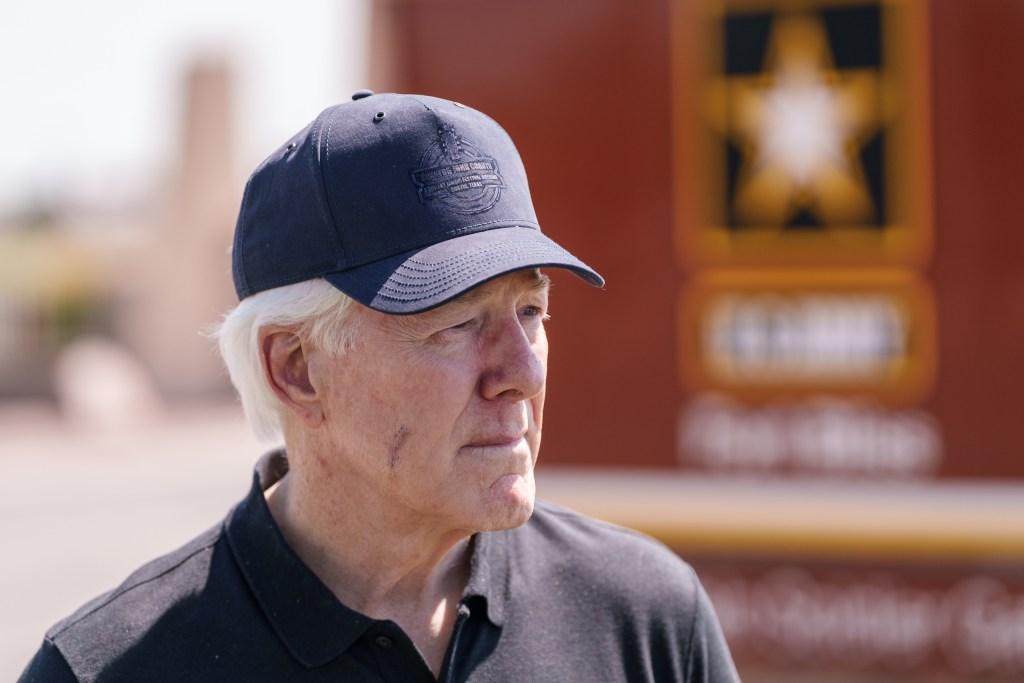
During a visit to the border on Friday, U.S. Senator John Cornyn emphasized that any changes to immigration laws should wait until the border is fully secured. This stance diverges from some Republican lawmakers who are open to exploring legal status options for immigrant workers to mitigate labor shortages exacerbated by current enforcement measures.
Cornyn joined a group of Republican senators and Senate candidates in the Rio Grande Valley, where they praised former President Donald Trump’s border policies. Their aim was to highlight their accomplishments and frame political narratives leading up to the upcoming midterm elections in November.
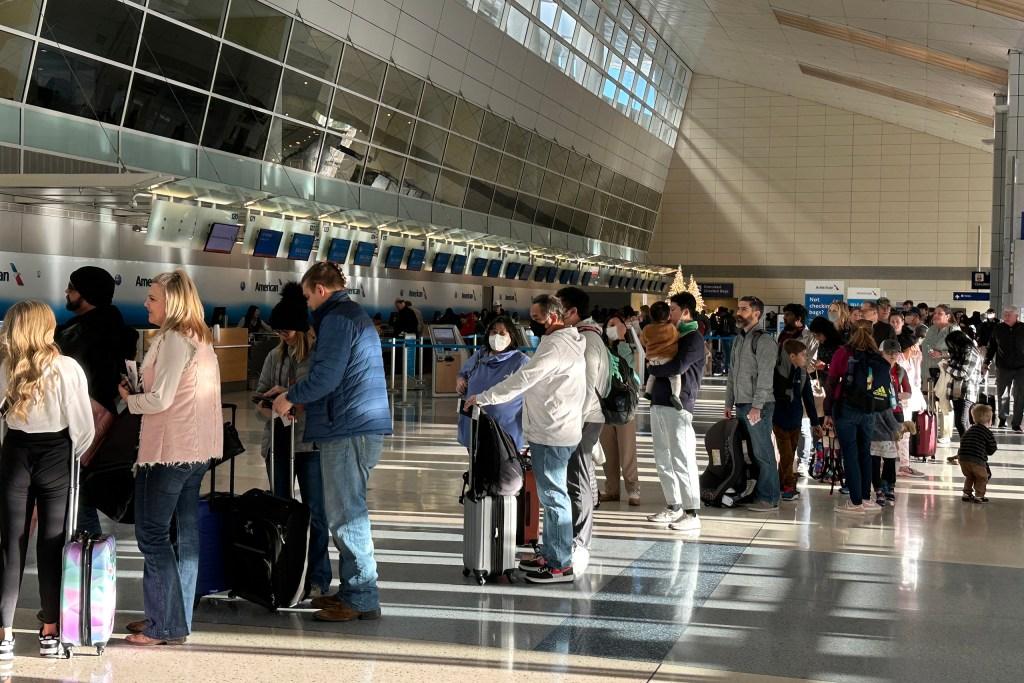
Increased enforcement by U.S. Immigration and Customs Enforcement (ICE) has discouraged some unauthorized workers from taking jobs, resulting in notable labor shortages, particularly in construction and the restaurant industry. The Rio Grande Valley has been significantly affected, prompting local builders to seek solutions to their economic challenges.
U.S. Representative Monica De La Cruz, a Republican from Edinburg, met with local builders and expressed her support for a visa program for construction workers, similar to the H-2A visa program used in agriculture.
However, Cornyn maintained that it is premature to consider such programs. “The first thing we need to do is secure the border,” he stated during a news conference in Hidalgo. “The American people, especially my constituents in Texas, would not support another attempt at immigration reform until we have secured the border.”
He added that subsequent steps should include removing individuals who “never should have been here in the first place,” and only after these measures are taken should lawmakers discuss potential changes to immigration laws.
Much of Trump’s border policy has been implemented through executive actions. The Republican-controlled Congress allocated $170 billion for immigration and border enforcement through 2029, making ICE the most well-funded law enforcement agency in the country, with extensive powers for recruitment, enforcement, deportation, and detention. However, many of Trump’s policy changes have not been formally codified.
Senate Majority Leader John Thune, who accompanied Cornyn at the news conference, expressed willingness to consider legislation addressing the need for skilled workers but reiterated that securing the border must remain the top priority. “I think we can work constructively on how to create mechanisms for those who come to this country legally to contribute to our workforce,” Thune stated.
Builders have reported that ICE activity at construction sites has created a climate of fear among both unauthorized and authorized workers, leading to labor shortages that cause delays in construction projects and may increase housing costs.
Cornyn suggested that, without changes to immigration laws, sectors such as construction could benefit from cuts to assistance programs like the Supplemental Nutrition Assistance Program (SNAP) and Medicaid, which he believes would encourage more people to enter the workforce. “If you are an able-bodied young adult, you shouldn’t qualify for food stamps or welfare benefits, to motivate more individuals to become employed,” he remarked.
As Cornyn faces a competitive primary challenge from Attorney General Ken Paxton and U.S. Representative Wesley Hunt of Houston, the news conference also served as a platform to promote a significant provision in the Republicans’ 2025 mega-bill, which includes reimbursement for Operation Lone Star.
Cornyn had previously indicated that his support for the bill was contingent on reimbursing Texas for Governor Greg Abbott’s border security initiatives. The One Big Beautiful Bill Act, passed in July with near-universal Republican support, allocated $13.5 billion for state reimbursement related to border security expenditures.
Abbott had requested $11.1 billion, and most of the allocated funds are expected to benefit Texas. However, six months after the bill’s passage, funding has yet to be distributed by the Trump administration. State Republicans, including Cornyn, Senators Ted Cruz, and Representative August Pfluger, have urged federal agencies to prioritize Texas in the funding process.
Cornyn commented, “That money will soon be flowing into Texas, approximately $11 billion, to reimburse taxpayers who stepped up when the federal government did not.” He expressed gratitude for the leadership of his fellow Republican leaders and the president.
In the lead-up to the primary, Cornyn’s campaign and affiliated groups have invested over $40 million in advertising, which has contributed to narrowing Paxton’s initial polling lead. Current polls indicate that no candidate is close to achieving the necessary 50% threshold to avoid a runoff on March 3.
Cornyn has received endorsements from Thune and OneNation, a group aligned with Senate Republican leadership that organized the border trip after significant financial investments in pro-Cornyn advertising.
Thune commended Cornyn for his longstanding advocacy on border security, calling him a foremost expert on the issue. “Most of what we know about the border we’ve learned from him,” Thune stated.
Cornyn’s campaign strategy has included highlighting his support for Trump through advertisements and social media. During the visit, Cornyn and other Republican senators applauded Trump’s border initiatives, with Cornyn thanking Trump for his role in passing the One Big Beautiful Bill and for his appointments within the Border Patrol.
The lack of an endorsement from Trump has been a significant aspect of the Senate primary in Texas, as it remains one of the few Republican races where Trump has not yet shown a preference, having stated he appreciates both Cornyn and Paxton. Both Cornyn and Thune have sought Trump’s endorsement.
Cornyn’s visit also provided his opponents with an opportunity to challenge him. Paxton criticized Cornyn’s earlier remarks from 2017 in which he claimed that a border wall “makes no sense,” highlighting Cornyn’s previous skepticism of physical barriers compared to technology and personnel. On the same day, Cornyn praised the wall and its enhancements with modern technology.
“His 40-plus year career has been spent fighting for amnesty for illegals, cutting deals with Democrats, trying to undermine President Trump, and obstructing the border wall’s construction,” Paxton stated. “Texans won’t forget how Cornyn has betrayed our country, and no last-minute border visit will change that.”
Hunt also criticized Cornyn’s past hesitance regarding the border wall in an advertisement on social media, claiming, “Now that Trump has secured our border, John Cornyn wants to take credit for the wall he tried to block.”