







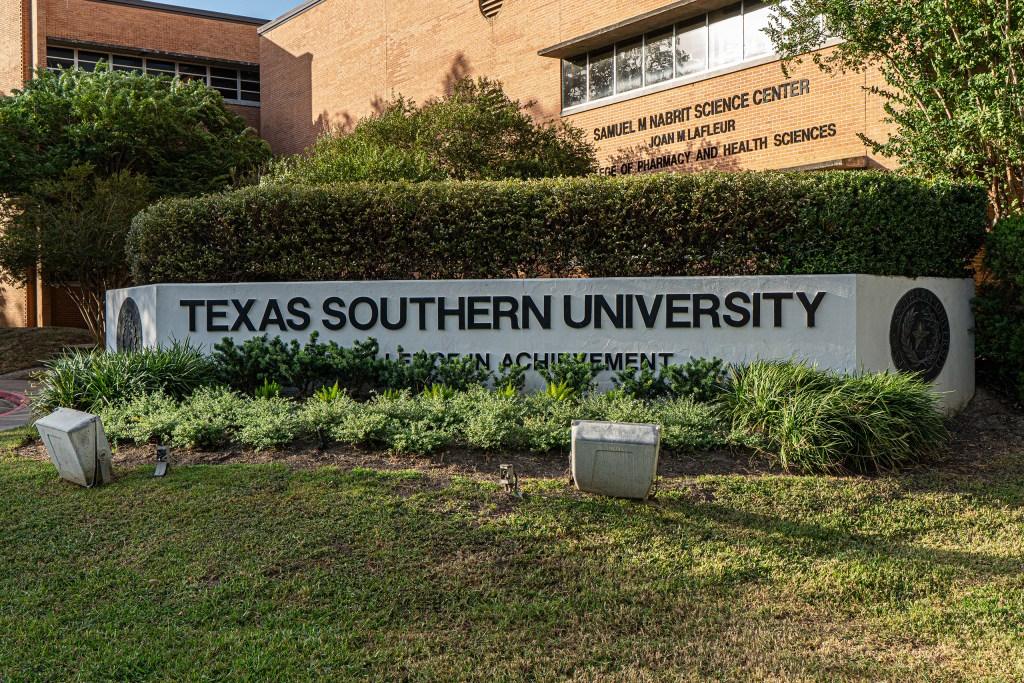
Texas Southern University (TSU) is facing serious financial challenges, as revealed by a recent state audit. The audit highlights significant weaknesses due to various departments bypassing established purchasing protocols and a failure to enforce proper contract and accounting procedures.
Lt. Gov. Dan Patrick expressed his concern over the findings, labeling the situation as “beyond disturbing.” He announced that his office, in collaboration with Governor Greg Abbott and House Speaker Dustin Burrows, has halted any new spending by TSU, allowing only funds necessary for the ongoing operation of the university.
In light of the audit findings, Patrick has previously requested an investigation by the Texas Rangers to assess any possible criminal activities at TSU, one of the largest historically Black colleges in the country. He stated, “It is my hope, for the sake of the students at the university, that TSU can continue,” emphasizing that the university must take responsibility for the situation. He warned that if they fail to correct these issues, the legislature will intervene.
The state auditor’s office conducted a thorough review of TSU’s finances and accounting practices for the fiscal years 2023, 2024, and 2025, focusing particularly on financial reporting for 2023 and 2024. Key findings from the audit included:
- A staggering 97% of records for 60 vendors did not align with their respective contract documentation, with numerous inaccuracies noted.
- No regular physical inventory procedure was in place, with the last inventory of university assets conducted in 2019.
- Significant deficiencies in asset management were identified, preventing accurate accounting and protection of university assets.
- Financial reports were often submitted late and inaccurately, with some reaching the state comptroller’s office nearly a year overdue in 2023.
- Budget accounts failed to reflect staffing shortages, indicating a lack of responsiveness to critical operational needs.
In response to the audit, TSU President J.W. Crawford III acknowledged the findings in a letter to State Auditor Lisa Collier. He outlined the university’s commitment to addressing these deficiencies and detailed measures the institution is taking to improve its financial and operational processes.
Crawford noted that approximately 200 vacancies, particularly in critical areas like the IT department, have intensified the issues surrounding financial oversight. These vacancies have created long-standing structural weaknesses that have exacerbated operational vulnerabilities.
Patrick reiterated on social media that Crawford concurs with the audit’s findings and is actively collaborating with the auditor’s office to rectify the identified problems.
On Wednesday, TSU released a statement expressing gratitude for the recommendations provided by the Texas State Auditor’s Office, emphasizing the importance of strengthening compliance, integrity, and financial processes, including asset management. The university has pledged to implement all recommendations and recognizes the need for consistent financial operations.
In November, preliminary findings from the state auditor revealed that over 700 invoices totaling more than $280 million were linked to vendors with expired contracts, and more than 800 invoices worth nearly $160 million were dated prior to official purchase requests.
TSU, which has an enrollment of around 8,000 students, has a history of financial and operational issues spanning over four decades. This audit echoes concerns raised in a 1999 review by the state comptroller’s office, which also identified significant financial and management challenges within the university.
Past issues at TSU include the embezzlement case involving former president Priscilla Slade in 2006, who was charged with misappropriating over $600,000, and various operational scandals dating back to the 1990s, including a cheating scandal and allegations of bribery in the law school admissions process.
Patrick noted that the legislature has endeavored to assist the university year after year, but it appears they have been misled regarding promised improvements in accounting practices and contract management.