







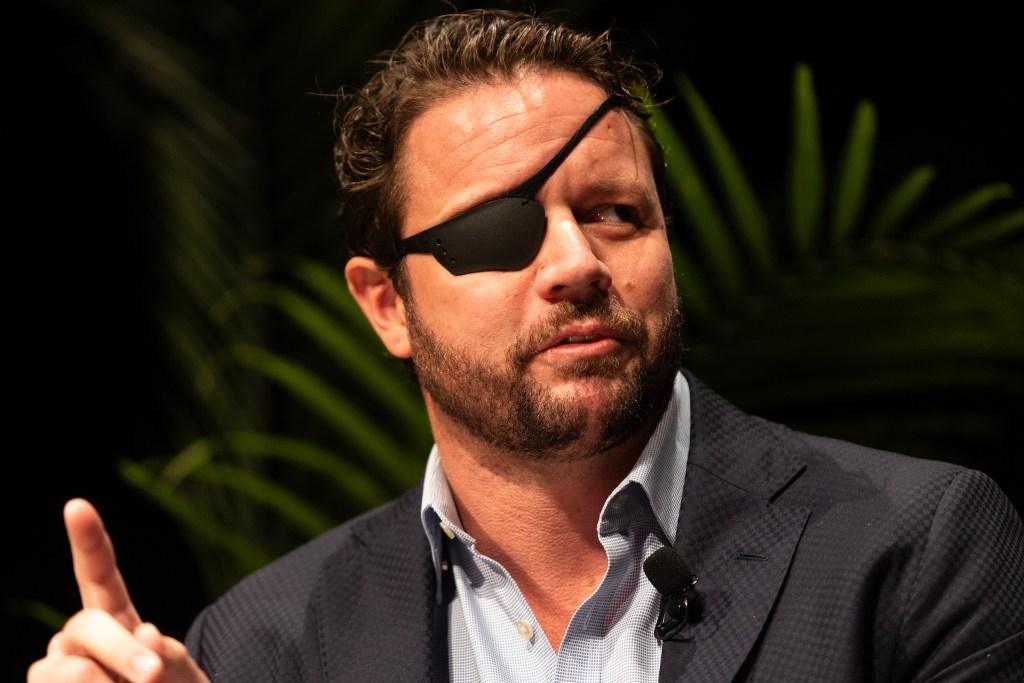
Representative Dan Crenshaw attributed his primary defeat to state Representative Steve Toth to unfounded accusations and a pervasive culture of misinformation. In a recent interview, Crenshaw noted that the “power of clickbait” was a significant hurdle that he could not overcome.
Crenshaw, who has served four terms representing Atascocita, lost to Toth, one of the staunchest conservatives in the Texas Legislature, by a substantial 15-point margin based on unofficial results. His congressional district encompasses areas including Kingwood, Lake Houston, and The Woodlands, divided between Harris and Montgomery Counties, both known for their strong conservative activism. Notably, Attorney General Ken Paxton garnered double the votes compared to incumbent Senator John Cornyn in the recent Senate Republican primary.
As a prominent figure within Congress, Crenshaw has attracted significant media attention and criticism due to his national security stance and clashes with various influencers in the MAGA movement. For years, he has been a target for hardline conservatives, particularly from the House Freedom Caucus, due to his outspoken criticism of their strategies and his labeling of some colleagues as “grifters.”
Recent commentaries in the Houston Chronicle and the Wall Street Journal expressed regret over Crenshaw’s loss, suggesting that his willingness to convey uncomfortable truths to his base—such as acknowledging Donald Trump’s defeat in the 2020 election and condemning the January 6 Capitol attack—ultimately cost him support.
Crenshaw recognized that being honest has become a “real crime” in the eyes of some voters. However, he largely blamed his defeat on what he described as baseless allegations regarding insider trading and his position on red flag laws, which forced him to contest misleading narratives instead of addressing actual grievances. “It’s not like anyone was going to the polls saying, ‘I don’t like that you said that,’” he remarked. “I could handle that debate. But that’s never what came up in people’s minds.”
Criticism from Toth and right-wing commentator Tucker Carlson centered on allegations that Crenshaw profited from insider trading. Crenshaw clarified that he has not engaged in stock trades since March 2023 and that his total earnings from the stock market throughout his congressional tenure amount to less than $50,000.
In 2019, Crenshaw sparked controversy among conservatives by suggesting that state legislators should discuss red flag laws, a policy opposed by staunch gun rights advocates that permits temporary firearm seizures from individuals considered a threat to themselves or others. This statement drew backlash, leading him to express regret for entering the debate. He has since introduced legislation to prevent federal funding for red flag laws in each term he has served.
Despite this, Toth effectively capitalized on Crenshaw’s past remarks, dubbing him “Red Flag Law Crenshaw” in campaign messaging.
Crenshaw acknowledged the political adage that “if you’re explaining, you’re losing,” admitting that his campaign struggled to counter the damaging narratives, which gained traction among conservative influencers eager for engagement. He remarked, “A large part of this election was about the power of clickbait. Memes became truth. Too many people are not discerning through the clickbait.” He lamented that many voters mistakenly believed he was making millions through insider trading despite not having made a trade in three years, with total earnings of around $46,000 during his seven years in office.
Opinions surrounding Crenshaw’s loss vary among supporters and detractors. The Freedom Caucus Fund, associated with the House Freedom Caucus, endorsed Toth, claiming Crenshaw faced the consequences of being labeled a RINO—Republican In Name Only—and for criticizing members of the hard-right caucus.
Crenshaw suggested that his public profile also made him a prime target for influencers eager to capitalize on his name, noting that individuals involved in actual scandals, such as Representatives Tony Gonzales and Cory Mills, did not attract the same level of attention. “I don’t have a mistress who set herself on fire,” he quipped, contrasting his situation with that of Mills, who faced allegations of domestic violence.
He also pointed to the influence of billionaire GOP donor Robert Marling, who contributed $675,000 to a pro-Toth super PAC. Marling has previously supported Senator Ted Cruz, who endorsed Toth during the early voting period, amid reports of a longstanding feud between Cruz and Crenshaw.
The increasing impact of political influencers and podcasters on primary elections has emerged as a notable trend this year, particularly in the Houston area, where conservative hosts provide endorsement slates that many voters follow. Crenshaw expressed concern over this shift, stating that voters often rely on “people who have no allegiance to the truth.”
“It’s troubling for the future,” he added. “Only voters can stop it.”