








Exploring Texas’ Rich Heritage Through Historic Districts
Texas is a tapestry of cultures, histories, and architectural styles, making it one of the most interesting states to explore for those who appreciate the past. Each city is dotted with historic districts that tell the stories of the people who shaped the Lone Star State. From the grandeur of Victorian mansions to the rustic charm of late 19th-century buildings, these districts provide a fascinating glimpse into Texas’s vibrant history.
Visiting these neighborhoods not only offers a chance to step back in time but also an opportunity to witness ongoing preservation efforts that keep these pieces of history alive. The rich heritage of Texas beckons explorers to delve deeper into its narratives, uncovering hidden gems along the way. Below, we delve into some of the most notable historic districts across Texas, each offering a unique blend of architecture, culture, and community.
The Heart of Austin: The Historic Districts
Austin’s historic districts encapsulate the essence of Texas’s capital city while highlighting its eclectic spirit. Among them, the Old West Austin district stands out with its beautiful homes dating back to the late 19th and early 20th centuries. Originally developed for wealthy residents, this area showcases architectural styles such as Queen Anne, Tudor Revival, and even Mediterranean influences, all reflecting the prosperity and optimism of that era.
Walking through the winding streets of Old West Austin, visitors are greeted by meticulously preserved homes lined with lush gardens. Among the must-sees is the Dr. E.H. Merriman House, built in 1890, which now serves as a bed-and-breakfast, allowing guests to experience the charm of that period firsthand. The streets are adorned with live oak trees, creating a canopy that enhances the sense of nostalgia and tranquility.
South Congress: A Cultural Gem
Moving towards South Congress Avenue, another historic district known for its bohemian vibe emerges. The South Congress Historic District is a creative hub featuring boutiques, eateries, and art galleries. While modern businesses thrive here, the architectural aura remains distinctly vintage, with old structures being repurposed to accommodate contemporary lifestyles, all while retaining their historic charms.
Iconic landmarks such as the Hotel San José and the vibrant Continental Club are testaments to the area’s rich past. The hotel, once a motor lodge, now embraces a modernist design while respecting its historic roots. The Continental Club has been a musical institution since 1955, showcasing local and national talent, thus serving as a bridge between eras of music in Texas.
Houston’s Preserved Stories: The Heights District
In Houston, the Heights Historic District stands as a beacon of preservation amidst rapid urban development. Established in the late 19th century, this neighborhood features quaint bungalows, charming Victorian houses, and a myriad of architectural styles, each telling tales of the families who once called them home. The Heights is a living testament to how history can coexist with modern life in an urban setting.
The area’s preservation society has worked tirelessly to maintain the architectural integrity of residential and commercial buildings, encouraging new developments to honor the existing styles. A stroll through the Heights offers glimpses into the past, with notable sites like the Heights Theater and the Cadillac Bar, which continues to serve hearty Tex-Mex cuisine in a setting reminiscent of a bygone era.
Art Deco Influence
The Heights is also home to one of Houston’s last remaining Art Deco churches, the Heights Christian School, originally built in 1922. This beautiful structure not only serves the community as an educational institution but also represents a critical movement in architectural design that sought to embrace modernity while respecting historical roots. Visitors here are often awed by the building’s intricate details, reflecting the care with which the local community cherishes its history.
San Antonio: A Walk Through Time in King William District
San Antonio’s King William Historic District transports visitors to the 19th century with its grand Victorian and Italianate mansions. Once home to wealthy German immigrants, this area showcases a diverse array of architectural styles. The historic district is both a residential area and a vibrant neighborhood filled with art galleries, boutiques, and family-run restaurants, making it a lively destination for tourists and locals alike.
One of the standout features of the King William district is the Guenther House, which operates as a museum and restaurant. The house was built in 1859 and now welcomes guests to dine while taking in stunning views of the San Antonio River. The beautifully landscaped grounds create a serene environment that whispers of the district’s rich history.
Cultural Events and Festivals
King William is not just about preserving the past; it is also a community that celebrates its history through various events. The King William Fair, held annually, showcases local artists, musicians, and food vendors. The festival provides a platform for community engagement while highlighting the artistry and craftsmanship that embody the spirit of San Antonio. Visitors enjoy a festive atmosphere amidst the historic houses that recall a time when the neighborhoods were alive with the laughter of children and the bustling activity of families.
Fort Worth’s Historic Stockyards: A Real Western Experience
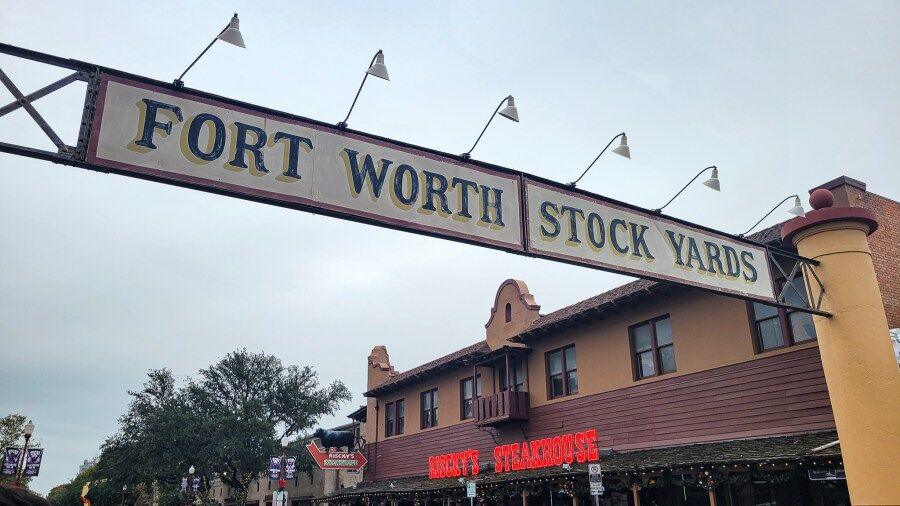
For those seeking an authentic Texan experience, the Fort Worth Stockyards Historic District is a must-visit. This area honors the city’s deep-rooted connection to cattle ranching and the cowboy culture that defined the region. Visitors can immerse themselves in the history of the Old West while enjoying daily cattle drives, which pay homage to Fort Worth’s role as a major shipping point for cattle in the late 1800s.
The Stockyards boast several attractions, including the Texas Cowboy Hall of Fame and numerous old saloons, where patrons can enjoy live country music. The district has preserved many of its original buildings, allowing visitors to slip back in time as they wander its old wooden walkways and cobblestone streets. The atmosphere is alive with the sounds of hooves and the smell of barbecue, truly evoking the essence of the West.
Historic Hotels and Dining
Travelers looking for historical accommodations can stay in the Historic Livestock Exchange Building, now transformed into a hotel offering a unique blend of rustic charm and modern amenities. Dining at local steak houses, where cowboy fare is served, can also provide a taste of the past, alongside contemporary flavors blended into the menu. This melding of culinary experiences mirrors the broader experience of the Stockyards, where old and new find a harmonious balance.
Preservation Efforts and Community Engagement
The beauty of Texas’ historic districts lies not only in their architecture and cultural significance but also in the dedicated communities working to preserve them. Local historical societies play a pivotal role in these efforts, advocating for the protection of historic landmarks and engaging the community through educational programs and events. In many districts, residents band together to form preservation committees, working to restore and maintain properties while fostering community pride.
In recent years, there has been a growing awareness of the importance of historic preservation as a means of maintaining cultural identity and heritage. Many cities have started to implement policies that promote sustainable development practices, ensuring that new constructions respect the historic context. This collaborative effort has not only helped to safeguard irreplaceable buildings but has also encouraged community engagement, drawing residents into the history and cultural narratives of their neighborhoods.
Local Government Support
Furthermore, local governments are increasingly prioritizing the preservation of historic districts, providing funding and resources for restoration projects. Various grants and tax incentives are available for property owners committed to upholding the historical integrity of their buildings. These efforts are crucial for fostering a sense of belonging and continuity for future generations, allowing them to appreciate their local histories.
Embracing the Past for Future Generations
Exploring Texas’s historic districts offers a captivating opportunity to appreciate the architectural beauty and rich narratives embedded within these neighborhoods. Each district is a testament to the state’s glorious past while contributing to its evolving culture. From the peaceful streets of the King William District to the lively atmosphere of the Fort Worth Stockyards, every visit enriches one’s understanding of Texas identity.
The ongoing preservation efforts reflect a broader recognition of the importance of maintaining these spaces, ensuring that they remain vibrant parts of the community. As visitors stroll through these historic avenues, they are not merely witnessing relics of the past but are participating in a living narrative that continues to unfold. Texas’s historic districts stand as proud monuments to resilience, creativity, and the shared stories that form the fabric of this incredible state.