








Explore Texas Parks for Thrilling Wildlife Watching
Texas is often celebrated for its rich tapestry of culture, history, and thriving cities, but hidden within its vast landscapes lies an extensive network of parks and natural preserves that offer prime opportunities for wildlife watching. From the arid deserts of West Texas to the lush forests of East Texas, the state’s diverse ecosystems are home to a plethora of fascinating wildlife species. For both seasoned birdwatchers and casual nature enthusiasts, Texas parks present an incredible array of experiences.
With more than 90 state parks and numerous wildlife refuges, the state is a treasure trove for those looking to observe animals in their natural habitats. This article glides through some of the best parks in Texas for wildlife watching, providing essential tips and insights for making the most of your adventure. Whether the thrill of spotting a majestic bald eagle or the serenity of observing a family of deer piques your interest, Texas parks promise unforgettable encounters.
Top Texas Parks for Wildlife Enthusiasts
Big Bend National Park
Located in Brewster County, Big Bend National Park is revered for its breathtaking natural beauty, vast wilderness, and ecological diversity. Covering over 800,000 acres, this park features a wide array of habitats, including desert landscapes, riparian areas, and mountain ranges. These varying environments are home to an impressive range of wildlife.
Birdwatchers will be delighted to find more than 450 species of birds documented within the park. From the colorful, elusive Golden Eagle soaring high above the Chisos Mountains to the striking Vermilion Flycatcher flitting through the riverine foliage, the variety is astounding. The annual migration seasons bring in even more transient species, making it an ideal destination for avian enthusiasts.
In addition to birds, Big Bend is also home to other unique fauna. The park houses both desert-dwelling and nocturnal species such as Mexican free-tailed bats, who emerge nightly from their roost to feast on insects. Visitors may also spot the endangered Black-capped Vireo, an endemic songbird thriving in the park’s dense shrub habitats. Photographers and wildlife lovers alike will find themselves captivated by the park’s diverse inhabitants.
Guadalupe Mountains National Park
Just north of the Texas border with Mexico, Guadalupe Mountains National Park stands as one of the region’s best-kept secrets. The park’s stunning high-altitude terrain creates habitats that vary remarkably in biodiversity. It features deep canyons, sparkling streams, and rugged mountain peaks extending over 8,700 feet.
Wildlife watchers may be fortunate enough to encounter desert mule deer and Rocky Mountain elk, both of which thrive in this mountainous region. The park is also a vital migratory stop for many birds. Visitors often report sightings of migratory hummingbirds and the striking Western Bluebird during spring and summer months.
Equally captivating is the night sky above Guadalupe Mountains. The area is recognized as an International Dark Sky Park, allowing for exceptional stargazing. Many nocturnal animals, such as the Western Long-eared Owl, become more active during the dark hours, presenting a fantastic opportunity for those wanting to experience wildlife after sunset.
Estero Llano Grande State Park
Nestled in the heart of the Rio Grande Valley, Estero Llano Grande State Park is a haven for wildlife enthusiasts, especially bird watchers. This park features a variety of ecosystems, including wetlands, grasslands, and brushlands, creating a unique environment that attracts a diverse array of species.
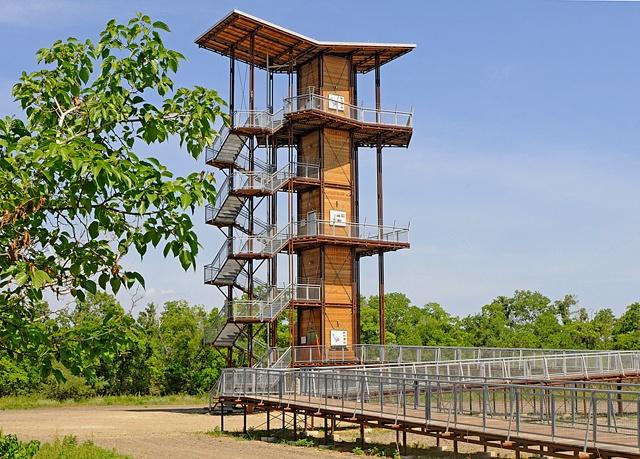
The park boasts a fantastic list of both resident and migratory birds, making it a prime location for encountering the beautiful Roseate Spoonbill and the striking Great Kiskadee. Throughout winter, thousands of birds flock to the park, transforming it into a birdwatching paradise. Well-maintained trails and observation decks allow for easy viewing access, enhancing the experience for visitors.
Estero Llano Grande is also vital for local wildlife, including the Texas tortoise and various species of butterflies, such as the Monarch and Gulf Fritillary. The park hosts educational programs and guided tours, providing valuable opportunities to learn from experts about the importance of conservation and the unique ecosystem of the Rio Grande Valley.
Essential Tips for Wildlife Watching in Texas Parks
Timing Your Visit
When planning a wildlife watching trip, timing is everything. Early morning and late afternoon are typically the best times to spot animals in their natural habitats. During these hours, animals are more likely to be active, feeding, and moving about. The golden hour of light during sunrise and sunset also provides optimal conditions for photography.
Different seasons offer unique wildlife viewing opportunities. For example, spring captures the essence of migratory bird activity, while winter may reveal interesting behavior in local fauna as they adapt to colder temperatures. Always check park reports for seasonal highlights and specific wildlife activity before heading out.
Gear and Preparation
The key to a successful wildlife watching trip is preparation. Equip yourself with essential gear, including:
- Binoculars: A good pair is crucial for spotting distant wildlife without disturbing them.
- Field Guidebook: A reference guide for identifying birds, mammals, reptiles, and unique plants can enrich the experience.
- Camera: Bring along a camera with a zoom lens to capture unique images while respecting wildlife distances.
- Comfortable Clothing: Dress in layers and wear appropriate footwear for varying weather conditions.
Additionally, consider utilizing apps that help with bird calls or animal tracking to enhance your wildlife experience. Always adhere to park rules and guidelines to ensure both your safety and the well-being of the wildlife.
Respecting Wildlife and Their Habitats
As you embark on your wildlife watching journey, it is pivotal to maintain respect for the animals and their habitats. Here are some guiding principles to follow:
- Keep a Safe Distance: Observing wildlife from afar minimizes stress on the animals and increases their chances of survival.
- Avoid Feeding Wildlife: Feeding animals can disrupt their natural behaviors, making them reliant on human food sources, which can be detrimental.
- Stick to Designated Trails: Walking off established paths can damage fragile ecosystems and disturb wildlife.
- Leave No Trace: Practice sustainable visiting habits by cleaning up after yourself and leaving natural spaces as you found them.
By respecting these guidelines, you contribute to the ongoing conservation efforts aimed at protecting Texan wildlife and their habitats for future generations.
Upcoming Events and Programs
Guided Nature Walks
Many Texas parks offer guided nature walks led by experienced rangers or local naturalists. These walks provide a fantastic opportunity to learn about the area’s ecosystem, observe wildlife in action, and get insights that you may not find on your own. Check the specific park’s calendar for walk schedules and availability, as some might require prior reservation.
Events often focus on different themes, such as seasonal migrations, nocturnal wildlife, and specialized species. Engaging in these walks can lead to surprising encounters with wildlife and helps deepen your appreciation for the natural world.
Wildlife Observation Workshops
For those eager to advance their skills in wildlife identification and photography, numerous parks host workshops throughout the year. Led by expert wildlife photographers and biologists, these sessions provide hands-on experience in the field, allowing participants to learn techniques for capturing wildlife on film and engaging in meaningful observation.
Workshops may cover topics ranging from landscape photography to bird watching etiquette. Check local park listings for information on upcoming workshops, and consider registering early as they can fill up quickly due to demand.
Final Thoughts
Texas stands as a remarkable destination for wildlife watching, offering a diverse array of parks and natural areas teeming with life. Each park has its own unique offerings, making it essential for enthusiasts to explore the varied landscapes the state has to offer. With the right timing, preparation, and respect for wildlife, visitors can engage in rewarding experiences that contribute to understanding and preserving the natural world.
As you embark on your wildlife watching adventures in Texas, embrace the thrill of discovery and the chance to witness the beauty of nature up close. From the magnificent vistas of Big Bend to the vibrant ecosystems of Estero Llano Grande, the parks of Texas await your exploration and appreciation, promising unforgettable memories that last a lifetime.