








Texas Railroads and Their Historical Significance
Texas railroads have played an instrumental role in the state’s economic development and cultural evolution. From the early days of settlement to the modern era, the network of tracks and trains has served not only as a means of transportation but as a symbol of connection and progress. As one of the largest states in the U.S., Texas’s vast landscape posed unique challenges and opportunities for railway construction. This article explores the historical significance of Texas railroads, their impact on industry and agriculture, and their role in shaping communities.
The story of Texas railroads begins in the mid-19th century when the need for efficient transport of goods and people became apparent. The arrival of the first steam locomotive in Texas in 1850 opened the floodgates for the expansion of railroads. It made travel and trade faster and more reliable, setting the stage for dramatic economic growth. By the turn of the 20th century, Texas boasted an extensive network of railroads that would serve as the backbone of the state’s prosperity for decades.
The significance of railroads transcends mere economic development; they intertwined with the cultural fabric of Texas, impacting migration patterns, urban development, and social dynamics. The transformative power of the railroads in Texas not only connected towns and cities but also contributed to the state’s identity, turning remote areas into thriving communities.
The Birth of Railroads in Texas
The genesis of railroads in Texas traces back to the establishment of the Galveston and Red River Railway in 1850, which marked the state’s first official railroad. Initially, the construction faced numerous hurdles, including financial difficulties, land disputes, and logistical challenges due to Texas’s diverse landscape. Pioneers and entrepreneurs, however, were undeterred, driven by the promise of economic opportunities. Encouraged by the burgeoning demand for transportation in a rapidly growing economy, the Texas legislature passed the Internal Improvements Act in 1854. This act facilitated state-level support for railroad construction.
Throughout the 1860s and 1870s, as the Civil War disrupted existing transportation routes, there was a renewed focus on robust railway construction. Federal land grants and loans coupled with private investment led to a surge in railroad companies. The Houston and Texas Central Railway was one of the notable early successes, providing vital connections between the Gulf Coast and North Texas. As railroads expanded, they began to unify the state, creating an extensive network that could transport everything from cattle to cotton, which were staples of the Texas economy.
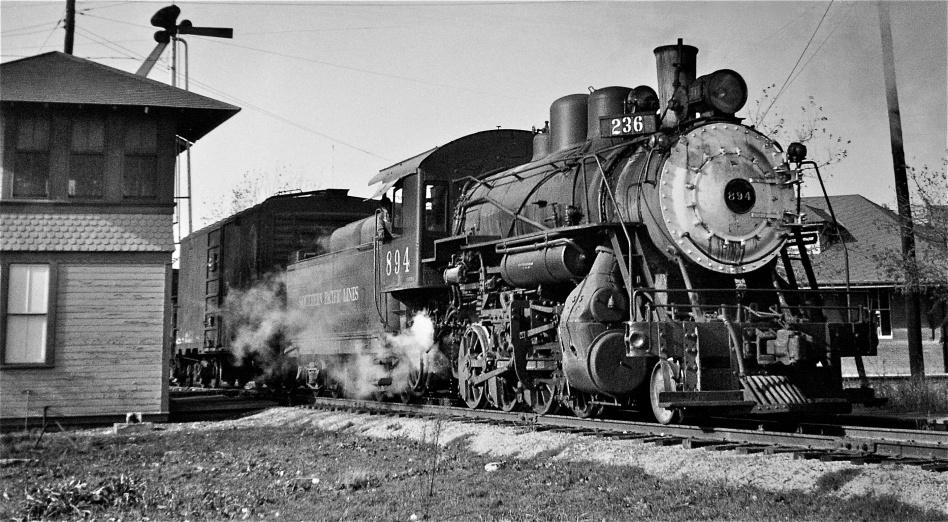
By the 1880s, the Texas railroad system had expanded dramatically, with over 10,000 miles of track laid. Major railroad companies such as the Southern Pacific and the Santa Fe began to dominate the market, resulting in competitive pricing and a boom in freight transportation. Railroads not only provided jobs but also fostered various industries, including lumber, mining, and agriculture, fundamentally transforming Texas into an economic powerhouse.
Economic Transformation Through Railroads
The economic impact of railroads in Texas cannot be overstated. They became instrumental in facilitating the state’s agricultural sector, which was rapidly growing due to the availability of vast lands suitable for farming and ranching. Railroads enabled farmers to sell their produce beyond local markets, reaching consumers all over the United States and beyond. Texas’s famous beef and cotton industries thrived as railroads made transporting goods to market more efficient and cost-effective.
A significant consequence of this transportation revolution was the emergence of new towns and cities along the rail lines. Places like Fort Worth and Dallas evolved from small settlements into critical hubs of commerce and industry. The high demand for resources to build and operate railroad systems spurred job creation, leading to an influx of immigrants and migration within the state as individuals and families sought economic opportunities.
The railroads also catalyzed industrialization in Texas. Factories began to sprout near railway lines, allowing for the mass production of goods, which could be readily transported to consumers. This shifted the economic structure of Texas from primarily agrarian to more diversified industrial economies. The rise of the oil industry in the early 20th century also relied heavily on railroad networks for the distribution of crude oil and refined products, laying the groundwork for Texas’s future as an energy leader.
Social and Cultural Impacts of Railroads
Beyond their economic implications, Texas railroads significantly reshaped the social and cultural landscape. The expansion of rail networks facilitated greater mobility, enabling Texans to travel for work and leisure, which helped to weave a more cohesive and interconnected state identity. The journeys people undertook often included family visits, business trips, and vacations, which fostered a sense of community and shared experience among the diverse populations within the state.
Railroads also brought to Texas a wealth of cultural exchanges. As travelers passed through different regions, they introduced their customs, traditions, and cuisines. The proliferation of rail transport meant that southern Texan barbecue could find its way to northern cities, and Mexican food introduced by immigrants could invigorate local palates. This cultural blending enriched the Texas cultural tapestry, making it a microcosm of broader American cultural dynamics.
However, the social impact of railroads wasn’t entirely positive. As railroads expanded, they sometimes wrought havoc on indigenous communities and land. Many Native American tribes lost access to traditional hunting grounds as settlers moved into newly connected areas. Moreover, the property and land rights issues that arose often led to conflicts and tensions between indigenous populations and settlers, illustrating the complex legacy of the railroads as engines of change.
The Legacy of Texas Railroads
Today, the legacy of Texas railroads is visible in various aspects of life throughout the state. Modern commuter rail systems such as DART in Dallas and METRORail in Houston continue to serve urban areas and connect communities. Similarly, freight rail remains crucial for transporting goods across the state and beyond, playing a vital role in Texas’s economy and infrastructure.
Moreover, railroads have become integral to Texas’s tourism industry. Historical train routes and depots have been preserved, attracting visitors keen to experience the unique history and charm of Texas railroads. Events like the historic train rides offer glimpses into the past, allowing new generations to appreciate the significance of rail travel in shaping the state.
Even as digital technology and newfound modes of transportation evolve, the importance of railroads in Texas remains evident. Advocacy groups are persistently pushing for improved rail infrastructure and expanded services, recognizing the critical need for sustainable transport solutions in an age of climate change and urban expansion. As Texas continues to grow, railroads will undoubtedly be a part of discussions surrounding the future of transportation, urban planning, and environmental considerations.
The Future of Railroads in Texas
Looking ahead, Texas railroads face both challenges and opportunities. The state’s booming population and the rise in freight demands necessitate advancements in rail infrastructure. Issues of safety, efficiency, and environmental impact are at the forefront of discussions among policymakers and transportation advocates. Additionally, accommodating a diverse range of passengers—including those using rail for daily commutes, long distances, and freight—will require innovative solutions.
There is an increasing call for high-speed rail projects that can connect major cities across Texas, making travel faster and more convenient. Proposals currently on the table include a high-speed rail link between Dallas and Houston, which promises to reduce travel times significantly and lessen road congestion. This type of project illustrates the ongoing relevance of railroads in shaping modern Texas.
Furthermore, the emphasis on sustainability and environmental responsibility has led to renewed interest in railroads as a green transport option. Rail transport is more energy-efficient and produces lower greenhouse gas emissions per ton of freight compared to trucking. This positioning makes railroads pivotal in supporting Texas’s efforts to address climate change while still catering to the demands of an expanding economy.
As Texas navigates rapid growth, shifting demographics, and changing economic landscapes, the historical significance of its railroads will serve as both a foundation and a guide for future developments. The story of Texas and its railroads is far from over; it continues to unfold, reflecting the resilience and adaptability of this vast and diverse state.