








Texas is on track to become the leading state in the construction of power plants designed to support data centers, according to a recent report from an environmental watchdog. This development raises alarms about the anticipated emissions of greenhouse gases and air pollutants, which could have serious implications for climate and public health.
The report highlights plans for at least 74 natural gas-fired power plants nationwide, each with a capacity of at least 100 megawatts, aimed at supplying power directly to data centers. Notably, 32 of these projects are slated for Texas, making it the state with the highest number of such initiatives, as detailed by the Environmental Integrity Project.
These proposed facilities will be located in various Texas counties, including Comal, Anderson, Bexar, and Pecos. If all the plants come online, they could release over 287 million tons of greenhouse gases annually, a figure comparable to the emissions produced by 61 million gasoline-powered vehicles operating for one year, based on Clean Air Act permit applications and other documents reviewed by EIP.
In addition to greenhouse gases, the report indicates that the 32 plants could emit more than 14,000 tons of fine particulate matter, 20,000 tons of nitrogen oxides, and 8,000 tons of volatile organic compounds at full capacity. These pollutants are linked to respiratory diseases, heart conditions, and other serious health issues.
This report emerges as Texas experiences a surge in artificial intelligence projects, with at least 248 planned throughout the state. Texas has become a prime location for these developments due to its affordable land, ample power supply, and favorable business regulations.
Community advocates are raising concerns that the influx of data centers may place excessive strain on the state’s power grid, potentially leading to increased electricity costs for residents.
In response to the growing demand, many developers are opting to construct on-site natural gas plants for their data centers instead of relying solely on the state grid. Dan Diorio, vice president of state policy at the Data Center Coalition, emphasized that the industry is committed to energy efficiency and environmental stewardship while supporting Texas’s economic growth.
Griffin Bird, a research analyst at EIP and the report’s lead author, noted that the findings provide a snapshot of projects in various stages of planning and construction up to April. Since then, at least 11 additional data centers have been proposed nationwide, with an uncertain number likely to be developed.
Jen Duggan, executive director of EIP, stressed the importance of raising awareness among the public and decision-makers about the potential impacts of these projects. Communities near these facilities may face significant health risks due to elevated levels of air pollution.
Many proposed data centers and associated power plants are targeting lower-income communities that already experience adverse health outcomes. The report indicates that nearly 90% of the planned plants are in counties where life expectancy is below the national average of 77 years.
Duggan warned that the addition of particulate matter and other pollutants from these facilities could exacerbate existing health disparities.
While data centers have been a fixture for years, their demand has surged in recent times due to the needs of artificial intelligence, which relies heavily on substantial computing resources and energy.
EIP’s analysis revealed that out of the 74 planned power plants, 71 would be newly constructed, while three would expand existing operations. Collectively, these plants are expected to generate around 143 gigawatts of electricity, enough to power California nearly three times over.
If built, the proposed plants could emit close to 662 million tons of greenhouse gases each year, a figure comparable to the combined annual emissions of over 140 million vehicles or the total greenhouse gas emissions of Australia.
Neil Carman, an air quality expert with extensive experience in Texas, highlighted that the location of these plants will significantly determine their impact. He noted that air quality issues are already prevalent in Texas, making the situation a contentious topic.
The majority of proposed power plants are concentrated in West Texas, where air quality monitoring is limited. Some projects are planned in areas that already fail to meet federal ozone standards, including proposals near San Antonio and north of El Paso.
One notable project, the Pacifico Ft. Spunky Power Plant in Hood County, is planned within 10 miles of areas experiencing unhealthy ozone pollution. Carman pointed out that additional data centers could push local pollution levels beyond acceptable limits.
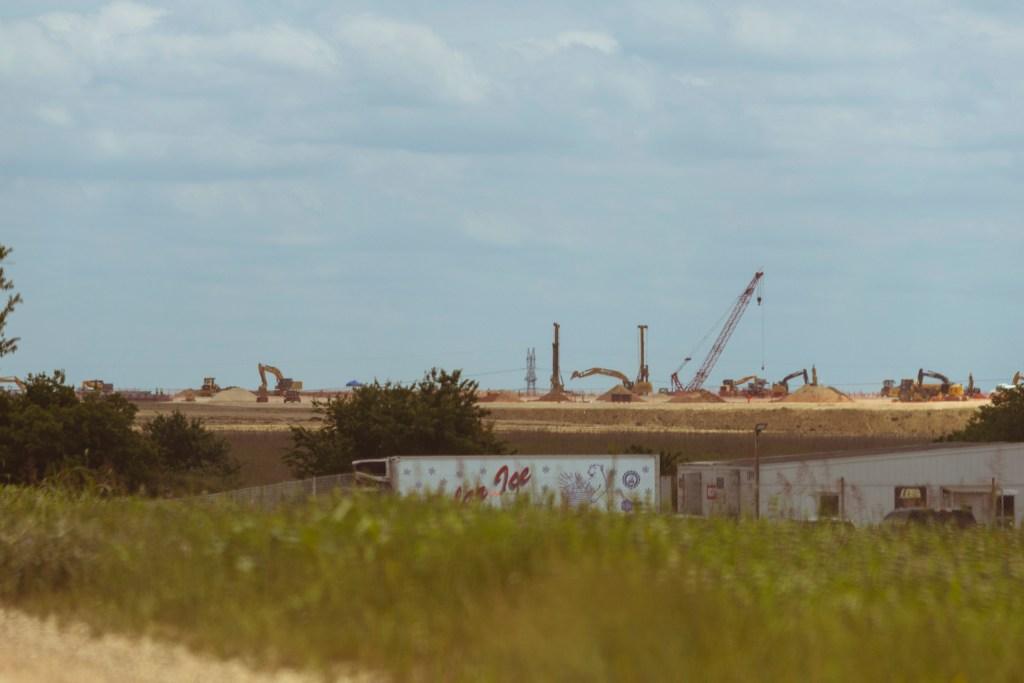
Among the most significant proposed data center projects is Project Matador, situated near Amarillo and associated with former Texas Governor Rick Perry’s company, Fermi America. This facility could demand up to 11,200 megawatts of power—enough to serve 2.75 million homes, exceeding the combined number of households in Houston, Dallas, Austin, and San Antonio. Its on-site power plants could emit over 40 million tons of greenhouse gases annually at maximum capacity.
For context, New York City’s power generation, transportation, and waste sectors produced approximately 48 million tons of greenhouse gas emissions in 2024.
Fermi America did not respond to requests for comments on the project.
The proposed developments coincide with unprecedented demand forecasts for Texas’s electricity. The Electric Reliability Council of Texas (ERCOT) reported that developers submitted requests for around 439 gigawatts of future electricity demand—equivalent to about one-third of national generation capacity and approximately five times Texas’s current peak demand record.
ERCOT indicated that roughly 89% of these requests originate from data centers, although experts warn that not all proposed projects will come to fruition.
Concerns regarding rapid growth have sparked discussions about who should bear the costs of the necessary infrastructure to support the burgeoning industry.
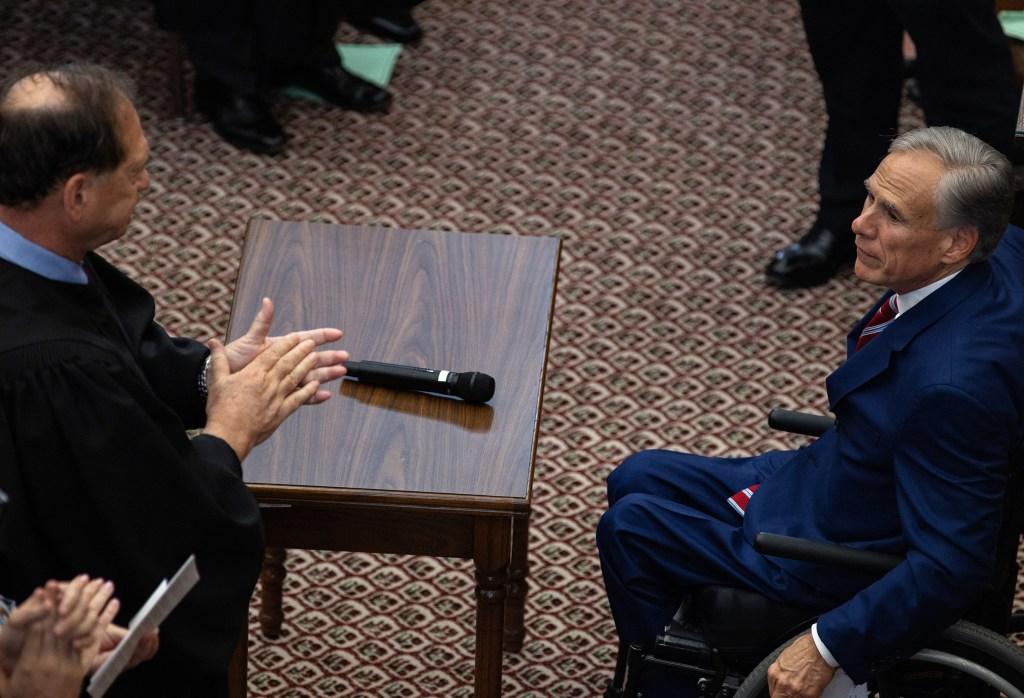
In March, former President Donald Trump urged data center developers to construct dedicated power plants for their operations to avoid shifting electricity costs onto existing utility customers. Similarly, Texas Governor Greg Abbott has instructed state utilities to ensure that developers bear the infrastructure costs associated with new data centers, alleviating the burden on current customers. He also intends to prioritize regulations for the fast-expanding AI sector in the upcoming 2027 legislative session.
Some Texas counties have attempted to impose temporary moratoriums on new data center developments to evaluate energy and water demands. However, several of these initiatives have been abandoned following legal challenges from the industry. Recently, the city of San Marcos enacted a ban on data centers, potentially setting a precedent for other Texas municipalities.