








Texas Vineyards: A Growing Industry
Spanning an impressive geographical diversity, Texas is rapidly becoming a prominent player in the world of wine. With its distinctive regions ranging from the high plains of the Panhandle to the rolling hills of the Hill Country, the Lone Star State presents vineyards with unique terroirs that are ideal for a variety of grape types. As wine enthusiasts and laypeople alike seek to uncover the roots of this burgeoning industry, Texas vineyards are beginning to take center stage, celebrating their rich history and vibrant wines.
The Texas wine industry has grown significantly over the past few decades, transforming from a modest collection of boutique wineries into a full-fledged economic engine. As consumers increasingly seek local products, Texas winemakers are answering the call by producing distinctive wines that reflect the character of their home state. With over 400 wineries now dotting the landscape, Texas is the fifth-largest wine-producing state in the U.S., and its influence is set to continue expanding.
The Wine Regions of Texas
One of the distinctive features of Texas wine production is its varied climate and landscape, which allows for a wide array of grape varietals. The state encompasses several key wine regions, each with its own unique traits that contribute to the character of the wines produced.
The Texas Hill Country
Often considered the epicenter of Texas wine production, the Texas Hill Country is home to over 50 wineries and vineyards. The scenic beauty of this region, with its rolling hills and scenic rivers, attracts visitors in droves. The climate here is characterized by hot summers and mild winters, creating an ideal environment for grape growth.
This region shines in its production of Tempranillo, a Spanish varietal that thrives in the Texas climate. Additionally, Hill Country vineyards have been gaining attention for their unique blends and varietals such as Viognier and Cabernet Sauvignon. Producers in this region focus on sustainable vineyard practices, emphasizing quality over quantity, and many have received national acclaim.
The Hill Country has become a tourist hotspot, making wine tourism an essential part of the local economy. Famous events such as the Texas Hill Country Wine & Food Festival draw thousands from across the state and beyond, showcasing the best wines, foods, and culinary talent in the region. The interplay of landscape and winemaking expertise makes this region a must-visit for wine lovers.
The High Plains
The Texas High Plains, which stretches from Lubbock to Amarillo, is another critical area of the state’s wine production. At an elevation of around 3,000 feet, this region offers a unique growing environment characterized by cooler nights and ample sunlight during the day. The distinct climate and soil make it particularly well-suited for grape varietals like Syrah, Grenache, and Chardonnay.
Many vineyards in the High Plains focus on organic and sustainable practices, reflecting a commitment not only to craftsmanship but also to environmental stewardship. With its arid conditions and fertile soils, this region emphasizes low-yield farming methods, which results in concentrated flavors that enhance the quality of the wines.
The growth of the High Plains wine scene has not only enhanced local agriculture but has also bolstered the economy by creating jobs and attracting tourism. From vineyard tours to wine tastings, the area offers numerous experiences that appeal to wine enthusiasts, further solidifying its place as a premier wine-growing region in Texas.
Notable Texas Wineries
Among the many wineries flourishing in Texas, several stand out for their innovative practices, exceptional quality, and community engagement. Whether you’re a seasoned wine aficionado or a casual drinker, these wineries offer a unique glimpse into the Texas wine experience.
William Chris Vineyards
Founded in 2008, William Chris Vineyards in Hye, Texas, has become a hallmark of Texas winemaking. The founders, Bill Blackmon and Chris Brundrett, focus on producing wines that showcase the unique terroir of the Texas Hill Country. They utilize traditional winemaking techniques combined with modern innovations, ensuring the preservation of quality and flavor.
William Chris Vineyards has gained significant recognition for their 56% Tempranillo blend, which has received numerous accolades at both national and international wine competitions. Their emphasis on small-batch production allows for more hands-on care and consideration in crafting each bottle. Additionally, they maintain sustainable vineyard practices, enhancing the overall health of the environment.
Visitors to the vineyard can enjoy tasting events, tours, and even a selection of gourmet food pairings, making for a comprehensive wine experience that goes beyond the bottle. Their commitment to community engagement, from hosting local events to collaborating with nearby food producers, continues to elevate the Texas wine narrative.
Messina Hof Winery
Established in 1977, Messina Hof Winery is one of the oldest wineries in Texas and operates in Bryan and Fredericksburg. Known for their ability to create high-quality wines across a wide spectrum of varietals, Messina Hof has firmly established itself in the Texas wine industry. Their commitment to crafting exceptional wines has resulted in over 350 awards recognizing their excellence.
Among their notable offerings is the Champagne-style sparkling wine that has garnered rave reviews and a loyal customer base. They pride themselves on using traditional methods to produce sparkling wines that capture the essence of Texas grapes while maintaining international quality standards.
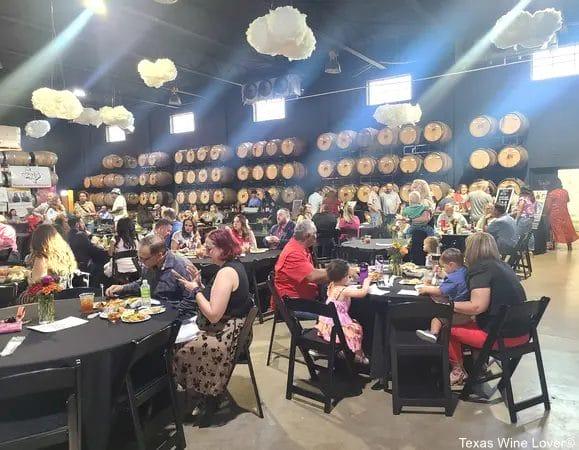
Messina Hof also places a strong emphasis on agritourism, offering vineyard tours, tastings, and sponsor events such as the Texas Hill Country Wine & Food Festival. This blending of local culture with gastronomy showcases the winery’s dedication to creating an immersive experience for wine lovers.
Wine Festivals in Texas
Texas hosts a variety of wine festivals that celebrate the state’s rich viticultural heritage and the vibrant culture surrounding Texas wine. These gatherings are not just an avenue for tasting; they also promote education, community, and the appreciation of wine craftsmanship. Each festival offers a unique experience, showcasing different regions, wine styles, and culinary pairings.
Texas Hill Country Wine Festival
The Texas Hill Country Wine Festival is one of the state’s most cherished wine festivals, held annually in Fredericksburg. This five-day event highlights wines from over 50 local wineries, presenting opportunities for tastings, food pairings, and live entertainment. It serves as a celebration of the Texas Hill Country’s diverse wines and rich cultural heritage, attracting thousands of visitors each year.
During the festival, attendees can participate in guided tastings, educational workshops, and interactive events that delve into the differences between varietals, wine styles, and food pairings. Local chefs showcase their culinary talent, offering unique dishes that complement the wines produced in the region. The collaborative nature of the event fosters community spirit while solidifying Texas’s place on the national wine stage.
This festival is not only a venue for wine lovers but also serves as an economic driver for local businesses. Accommodations, restaurants, and retailers experience a significant influx of tourism during this period. As such, the festival contributes to a larger movement towards sustainable local agriculture and tourism.
Houston Food & Wine Festival
The Houston Food & Wine Festival is a prominent event held annually in the heart of Houston. This festival celebrates not only Texas wines but also the state’s diverse culinary landscape. Featuring local chefs, artisanal food vendors, and renowned wineries, this festival offers attendees a rich sensory experience.
Guests have the opportunity to attend wine seminars where they can learn about pairing wines with various cuisines. The festival focuses on enhancing the relationship between food and wine, featuring presentations and tastings led by some of the nation’s most respected sommeliers and chefs.
In addition to the tastings and educational seminars, the festival includes competitions, workshops, and exclusive events that spotlight Texas products—from wines and cheeses to locally sourced meats and produce. The Houston Food & Wine Festival showcases the best of what Texas has to offer, advocating for local growers and producers and promoting an appreciation for the culinary arts.
Community Impact and Sustainability
As the Texas wine industry continues to flourish, the positive impact on local communities and the environment cannot be ignored. Wineries often embrace sustainable practices, which not only preserve the land but enhance the quality of the wines produced.
Local Economy and Job Creation
The growth of the Texas wine industry has resulted in substantial economic benefits for local communities. Wineries create numerous jobs, from vineyard management and winemaking to hospitality roles involved in tours and tastings. Many Texas wineries are committed to hiring locally, which strengthens the economy and fosters a sense of community.
Increased wine tourism also contributes significantly to local economies, with festivals and events attracting visitors year-round. Hospitality sectors, including hotels, restaurants, and retail businesses, benefit from the influx of tourists, creating a vibrant economic ecosystem centered around wine production. Moreover, many wineries partner with local farmers and artisans, creating a network that promotes sustainability and supports regional agriculture.
As the industry grows, so too does the commitment to responsible practices. Wineries often engage in environmental conservation and educational initiatives, such as workshops on organic farming and sustainable vineyard management, creating a focus on long-term ecological sustainability.
Environmental Stewardship
Many Texas wineries prioritize sustainability as part of their operational philosophy. From working to reduce carbon footprints to incorporating water conservation practices, there is a growing trend among winemakers to prioritize the health of the land. Organic farming practices are increasingly common, allowing vineyards to cultivate grapes without the use of harmful pesticides and chemicals.
Additionally, many Texas wineries are implementing water management techniques that not only conserve resources but also benefit the ongoing health of their vineyards. Grapevines are naturally resilient, but practices like drip irrigation and low-water cover crops help ensure a sustainable future for these critical resources.
Emphasizing reduced environmental impact enhances the overall quality of the wines produced while promoting a narrative that resonates with environmentally conscious consumers. This lifestyle shift is integral to the Texas wine industry, allowing it to become a model of sustainability and resilience in the face of climate change.
A Bright Future for Texas Wines
The trajectory of Texas wine is undeniably upward, showcasing not only the immense potential of the state’s vineyards but also illuminating the rich tapestry of culture and community that surrounds it. As more wineries emerge, each with its own story and approach, the variety of flavors and styles will continue to grow, appealing to diverse pallets and preferences.
With an increasingly organized approach to wine production, including educational programs for aspiring winemakers and initiatives promoting sustainable practices, Texas winemaking is evolving. Collaborations among existing wineries and institutions cultivate knowledge sharing and expansion of best practices, fortifying the collective reputation of Texas wines within the larger wine community.
As festivals highlight the ingenuity behind Texas wine production, consumers are encouraged to explore the offerings available at their local vineyards, fostering a closer connection between wine lovers and the artisans behind their favorite bottles. With every sip, the story of Texas wines—rooted in tradition, artistry, and a commitment to sustainability—continues to unfold, ensuring a bright and flavorful future ahead.