









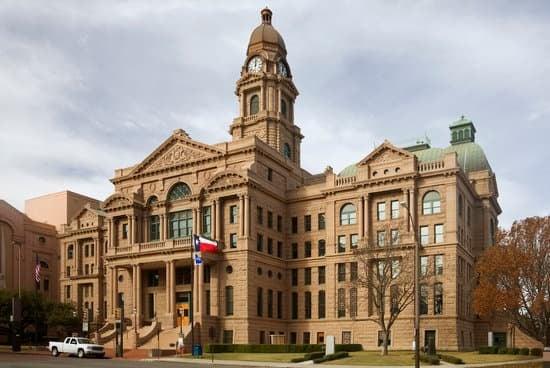
The Architecture of Texas Courthouses
Texas courthouses are more than just functional buildings; they are an embodiment of the state’s rich history and unique cultural identity. Each courthouse tells a story through its architectural style, reflecting the artistic trends of its era, the economic conditions at the time of its construction, and the social context of the communities they serve. From majestic classical designs to modern interpretations, these buildings not only function as centers of justice but also stand as iconic symbols of their towns and cities.
As a state with a variety of geographical and cultural landscapes, the architectural styles of Texas courthouses are diverse, showcasing a blend of influences that span centuries. Many courthouses are focal points in their respective towns, often situated at the intersection of busy streets, reflecting the role they play in community life. This article explores the diverse architectural styles of Texas courthouses, the historical and cultural significance behind their designs, and the ongoing efforts to preserve these iconic structures.
The Evolution of Courthouse Architecture in Texas
The architectural evolution of Texas courthouses is intrinsically linked to the state’s development. Early courthouses were simple wooden structures established during the 19th century, typically constructed in a straightforward, utilitarian style. These early buildings were often only a reflection of the resources and needs of the time, focusing primarily on functionality. However, as Texas began to grow and prosper, so too did the ambition and scope of its courthouse designs.
In the late 19th and early 20th centuries, Texas courthouses began to adopt more elaborate architectural styles. The post-Civil War economic boom enabled towns and counties to invest in more grandiose structures that would symbolize their prosperity and commitment to justice. Prominent styles emerged during this era, such as Beaux-Arts, Richardsonian Romanesque, and neoclassical designs. The work of renowned architects, like James Riely Gordon, played a significant role in shaping the landscape of Texas courthouses during this transformative period.
Many of these structures also serve as remarkable examples of skilled craftsmanship. The use of locally sourced materials not only tied the buildings to their geographical locations but also displayed a commitment to the unique characteristics of Texas. Stone, brick, and ornamental details made these courthouses a point of pride for local residents and a lasting legacy of their historical roots.
The Role of Courthouses in Community Identity
Beyond their architectural significance, Texas courthouses frequently become the heart of their communities. They are not merely functional spaces where legal proceedings occur, but also serve as venues for public gatherings, civic celebrations, and local events. Courthouses often symbolize the community’s identity and pride, housing not just courtrooms, but also county clerk offices, election headquarters, and public meeting spaces.
Many towns and counties view their courthouse as a heritage site, creating strong community ties. For instance, the annual Christmas tree lighting ceremony in the front yard of the county courthouse in various towns illustrates how these buildings can serve as focal points for holiday festivities, fostering a sense of community and belonging. Additionally, courthouses frequently feature public art installations or monuments that honor local history or key figures in the community’s development.
The rich symbolism embedded within courthouse architecture also reflects the values and aspirations of the communities they represent. Most courthouses incorporate elements such as domes and tall columns, which are emblems of strength, justice, and integrity. These design choices not only impart an air of authority but also communicate the community’s dedication to upholding the rule of law, thereby reinforcing civic pride.
Distinct Architectural Styles of Texas Courthouses
The architectural diversity of Texas courthouses is a testament to the varied influences that have shaped Texas itself. Here, we examine a few dominant styles that define many of these buildings, showcasing their unique characteristics and cultural significance.
Beaux-Arts Architecture
Beaux-Arts architecture emerged in the late 19th century and became a popular style for public buildings across the United States, including Texas. This style is characterized by its grandeur, symmetry, and elaborate ornamentation. Beaux-Arts courthouses often feature monumental staircases, large porticos, and ornate detailing both inside and out. The Texas State Capitol in Austin is a prime example of this elegant style
Many local county courthouses adopted this architectural flavor as they sought to project a sense of importance and stability. The Grayson County Courthouse, completed in 1896, displays a stunning example of the Beaux-Arts approach with its grand façade and intricate details, including sculptures and wrought ironwork. These courthouses serve both as functional buildings and as public monuments, embodying the aspirations of their communities.
The charm of Beaux-Arts courthouses goes beyond their visual appeal; they have often inspired local artists to create works celebrating their timeless beauty. Festivals celebrating local history often center around these buildings, which serve as a canvas reflecting the culture and artistry of the community.
Richardsonian Romanesque
Another influential architectural style in Texas courthouse design is Richardsonian Romanesque, named after architect Henry Hobson Richardson. This style focuses on massive stonework, rounded arches, and powerful massing, lending a fortress-like quality to these structures. The style often incorporates unique features such as asymmetrical towers and intricate stone carvings, setting these courthouses apart from their Beaux-Arts counterparts.
The Taylor County Courthouse, erected in 1892, stands as a prominent example of Richardsonian Romanesque architecture. With its large, rounded arches and distinctive tower, it captures the drama and robustness of this style while serving as a vibrant social hub for Abilene and its citizens. Visitors can appreciate not only the architectural details but also the role this courthouse has played in shaping local history.
Richardsonian Romanesque courthouses often foster a sense of nostalgia, evoking feelings of timelessness and permanence. These spaces encourage community interaction and engagement, reminding residents of their rich heritage while serving as a functional center for justice.
The Modernization of Texas Courthouses
As society evolves, so too do the needs and expectations of courthouse design. The last few decades have seen a significant shift in courthouse architecture across Texas, where many are embracing modern design principles that prioritize accessibility, sustainability, and efficiency. This trend reflects a growing recognition of the need for public buildings to adapt to contemporary societal demands.
Modern courthouses often incorporate open floor plans, advanced technology, and energy-efficient designs. The Harris County Courthouse in Houston, for example, utilizes a blend of modern aesthetics and functional design to create inviting and approachable spaces for court users. These courthouses feature lighter materials, such as glass and steel, that allow natural light to flow into public areas, creating a more welcoming environment.
Another aspect of modernization is the attention given to accessibility. Many new or retrofitted courthouses take into account the needs of individuals with disabilities, ensuring that everyone can access justice. This commitment to inclusivity reflects broader societal changes and illustrates how modern courthouse design can reflect ethical values within the community.
Preserving Historical Integrity
As Texas continues to advance into modernity, the preservation of historical courthouses remains an essential priority. Many towns are dedicated to maintaining the historical integrity of their courthouses while updating features to remain relevant. Restoration efforts aim to keep architectural elements while integrating modern functionality without compromising the building’s historical value.
Restoration projects have included the careful replacement of structural elements with materials that replicate the original designs closely, ensuring that the character of the courthouses is preserved while accommodating today’s needs. The renovation of the Bell County Courthouse serves as a case study in successful preservation. After years of neglect, this historical building underwent significant restoration, revitalizing its once-vibrant façade and ensuring its place in the local community.
Furthermore, many communities actively engage in grant-funded programs aimed at protecting these landmarks. This not only helps preserve the physical structures but also encourages local citizens to appreciate and become involved in the heritage surrounding their courthouses, fostering a deeper connection to their own history.
The Future of Texas Courthouses
As new generations of Texans look to the future, the ongoing evolution of courthouse architecture will undoubtedly continue to adapt to changing societal needs and technological advancements. While the architectural landscape may shift, the fundamental role of courthouses as pillars of justice and centers of community life will remain steadfast.
Public engagement and advocacy for the preservation of historical courthouses stand as crucial elements in fostering awareness about the value of these significant structures. Educational programs and tours can inspire local residents to appreciate not only the aesthetics of their county’s courthouse but also the stories and heritage that grew around them. Communities that prioritize their courthouse not only celebrate their past but also reinforce the importance of civic engagement in shaping their future.
With the integration of sustainability practices and forward-thinking design principles, future Texas courthouses will likely reflect both modern architectural trends while remaining true to the distinctive identities forged by their predecessors. Through thoughtful design and preservation efforts, these institutions will continue to signify the community’s dedication to justice, history, and cultural expression for generations to come.