









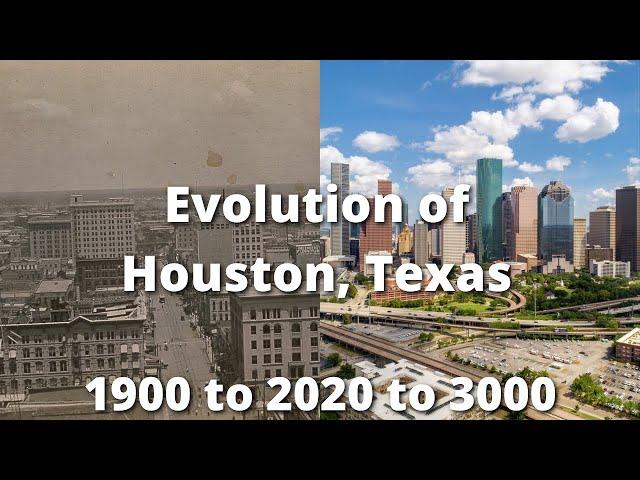
The Evolution of Houston’s Skyline
Over the last few decades, Houston has transformed its skyline into a striking mix of modern architectural marvels and historic buildings. The blend of high-rises and iconic structures is not just a testament to the city’s economic boom but also reflects its cultural diversity and artistic spirit. Houston, which is known for its vibrant energy sector, medical research institutions, and burgeoning tech industry, has seen a construction spree that continually reshapes its cityscapes.
The skyline has become a symbol of Houston’s growth and ambition, standing as a beacon of opportunity and innovation. As the city’s economy has expanded, so too has the number of skyscrapers gracing its horizon, each telling a story of the city’s past while also looking forward to an ambitious future.
The Origins of Houston’s Skyline
The roots of Houston’s architectural evolution can be traced back to its founding in 1836 when it was established as a trading post. The early buildings were modest, characterized by their wooden structures. However, as the city began to grow and diversify, particularly after the discovery of oil in the early 20th century, the need for more formidable structures became apparent. During this time, Houston’s skyline began to take shape, with notable additions like the Gulf Building, completed in 1929, which at the time was one of the tallest buildings in the southwestern United States.
The architectural styles of the early skyscrapers were reflective of their time, showcasing Art Deco and Beaux-Arts influences. The Gulf Building, now known as the JPMorgan Chase Tower, became a landmark with its intricate design and height. More skyscrapers followed suit, including the ExxonMobil Building and the Wells Fargo Plaza, which redefined the skyline in the following decades. Houston’s emergence as a hub for the oil industry significantly influenced the development of these structures, as corporate wealth surged and the demand for office space skyrocketed.
By the 1970s and 1980s, Houston was embraced by a wave of construction that reflected a strong economy alongside a diversification of architectural styles. This period also introduced high-rise buildings designed for different purposes, such as hotels and residential complexes. A growing population meant a need for more mixed-use developments, which would eventually lead to the construction of a more dynamic and multifaceted skyline, merging residential, commercial, and leisure spaces.
Modern Skyscrapers and High-Rises
As the new millennium approached, Houston’s skyline began to represent not just economic growth, but also a shift towards sustainability and modern design. Developers and architects increasingly focused on creating environmentally friendly buildings that minimized their carbon footprints while maximizing aesthetic appeal. The One Shell Plaza, which was completed in 1971, underwent renovations but not before standing tall as one of the first office buildings with an energy-efficient design.
Among the most remarkable contributions to this era of architectural evolution is the Williams Tower, completed in 1983, which has long been a symbol of the city’s skyline. Standing at 1,000 feet, it is the tallest building in Texas outside of Dallas. Its sleek, glass exterior is not only striking but also highly functional, incorporating elements designed to mitigate heat gain while optimizing light use.
Another significant high-rise is the Overton on the West Loop, which is a notable example of utilizing residential and commercial space in high-density areas. Finished in 2018, its design mixes modern industrial motifs with natural elements, showcasing how contemporary architecture can harmonize with urban life. The demand for more residential skyscrapers has been fueled by the influx of professionals seeking proximity to their workplaces, resulting in a revitalization of inner-city living.
Influence of Technology on Design
The influence of technology on architecture cannot be overstated—Houston’s skyline reflects the advancements in building materials and design software that have made innovative structures possible. The integration of advanced engineering techniques has allowed architects to push the boundaries of what is possible, resulting in dizzying heights and abstract designs that challenge traditional aesthetics. Buildings such as the Texas Tower, completed in 2021, exemplify this trend with its unique twisting structure, which not only enhances the skyline but also sets a new standard for sustainability and construction efficiency.
Moreover, technologies like Building Information Modeling (BIM) and 3D printing are now being utilized extensively in the construction process. These tools help streamline designs and facilitate complex constructions that were once deemed impossible. The Hines Interests development project in downtown Houston integrates smart technology within its buildings, not only enhancing the tenant experience but also promoting energy efficiency and sustainability.
As Houston moves forward, the incorporation of smart technologies continues to become integral in the design of future buildings and renovations. These innovations promise to not only redefine functional use but also enhance the aesthetic appeal of Houston’s skyline, making it a living canvas that changes with technological advancements.
Preserving Houston’s Heritage Amidst Modernization
Despite the rapid changes in the urban landscape, efforts to preserve historic buildings remain critical. Structures such as the Old Harris County Courthouse and the Art Deco-style Batangas Building are reminders of Houston’s rich history and architectural legacy. These landmarks offer a connection to the past, showcasing numerous styles that preceded the modern skyscrapers that now dominate the skyline.
Preservationists and community advocates work diligently to ensure that these structures are not lost to demolition and urban development. The city has implemented various preservation programs aimed at protecting its cultural heritage while allowing for modern growth. The challenge lies in balancing the need for modern infrastructure with the importance of maintaining the historical narrative that these buildings provide.
Existing within this juxtaposition are numerous *adaptive reuse projects*. These initiatives often involve repurposing older buildings for contemporary uses, providing a sustainable option for developers while preserving the city’s historical fabric. Examples include the renovation of the historic Warehouse District, transforming old warehouses into chic lofts and trendy commercial spaces that breathe new life into the area.
The Future of Houston’s Skyline
The future of Houston’s skyline is poised for more transformation as the city continues to attract businesses and residents alike, drawn by its growing reputation as a tech and innovation hub. Upcoming projects such as the East River development signify a commitment to revitalizing urban spaces while integrating green areas and parks into the skyline aesthetics.
Furthermore, as climate change becomes increasingly pressing, revitalization will also focus on sustainability and resilience. Future buildings are likely to employ green roofs, solar panels, and other eco-friendly technologies that contribute to a healthier urban environment. Houston’s planners are already looking to implement zoning laws that encourage greener buildings and reduce urban heat islands.
Upcoming architectural trends may also embrace biophilic design, focusing on reconnecting people with nature through architecture. Structures will likely incorporate natural light, ventilation, and landscaping to enhance the overall wellness of occupants. The city also anticipates further developments in vertical farming, multimodal transit systems, and smart grids as it responds to the demands of an evolving population.
The Rich Tapestry of Houston’s Skyline
Houston’s skyline is far more than just a cluster of buildings; it represents a blend of history, ambition, and community resilience. The constant evolution reflects the city’s dynamic nature—where rich history coexists harmoniously with modern innovation. Architects, developers, and city planners are all contributors to this beautiful tapestry, continuously weaving together the threads that will shape Houston’s skyline for generations to come.
As Houston embraces its multifaceted identity while pursuing forward-thinking designs, it is clear that the city will remain a significant player in the architectural realm. Visitors and locals alike can look forward to enjoying a skyline that not only illuminates Houston during the night but also tells a deeper story of its past, present, and promising future.