




The Growth of Houston’s Downtown Area
Once characterized by sprawling suburbs and a reliance on highways, Houston’s downtown is undergoing a remarkable transformation. In recent years, the city has seen significant investment, urban development, and revitalization efforts that have turned the once-neglected area into a bustling hub of commerce, culture, and community. The revival of downtown Houston stands as a testament to the city’s dynamism and its leaders’ commitment to fostering growth.
This revitalization has not only bolstered the local economy but has also attracted a diverse population and a plethora of new businesses. From high-rise apartments and corporate offices to entertainment venues and public parks, the changes in Houston’s downtown reflect broader trends in urban development across the United States. As the city continues to grow, understanding the factors contributing to this urban renaissance provides insight into Houston’s future and the challenges that lay ahead.
Historic Context of Downtown Houston
Houston’s downtown area has a rich history that dates back to its founding in 1836. The original layout established a central business district that served as the heart of the burgeoning city. Over the decades, downtown Houston underwent various phases of growth and decline, shaped by shifts in economic trends, oil booms, and population movements. By the late 20th century, however, the area fell into disrepair, with many historical buildings left vacant and businesses moving to the suburbs.
The 1990s saw a turning point in this narrative. With the advent of a new urban development strategy, city planners began to reverse the trends of decay. Recognizing the potential of downtown Houston, local government and private stakeholders collaborated to invest in infrastructure improvements and urban amenities. This shift was pivotal in revamping downtown into a more accessible and attractive location for residents and businesses alike.
One notable development was the creation of the downtown management district, which provided a framework for coordinated action to address the area’s challenges. Enhanced public safety, improved streetscapes, and green space initiatives were essential components driving the revival of downtown Houston. As a result, an increasing number of residents began to engage with the area, ultimately rekindling its charm and appeal.
Modern Developments Fueling Growth
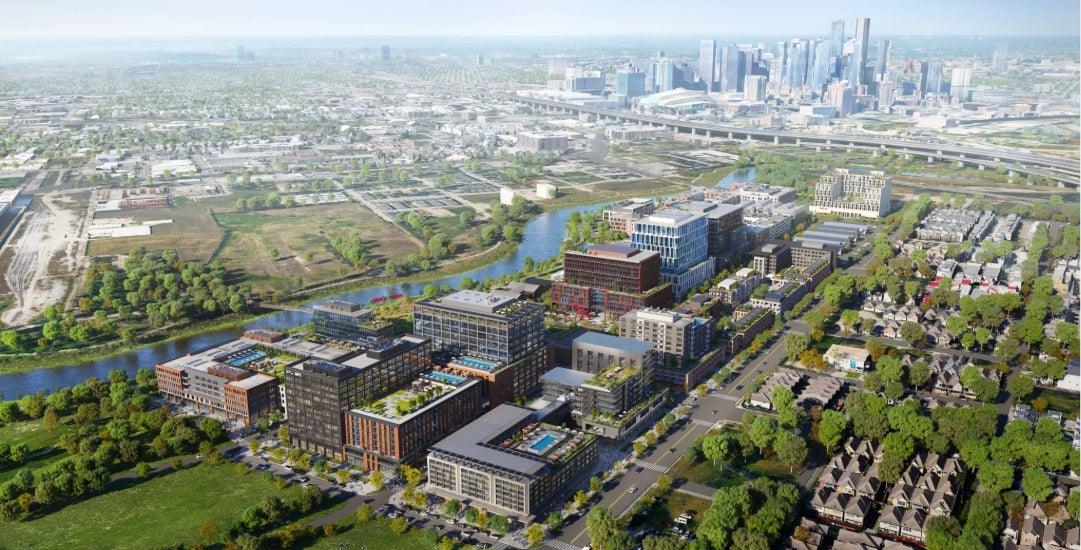
In the last decade, Houston’s downtown has witnessed a remarkable surge in construction projects, many of which are reshaping the city’s skyline. From luxury condominiums to sprawling office complexes, the growth is not only aesthetic but also functional. Developers have responded to the rising demand for urban living, resulting in a boom of mixed-use spaces that blend residential, commercial, and green environments.
One standout project is the One Market Square, a high-rise offering both luxury apartments and retail spaces that have revitalized the historic Market Square Park. This project, alongside others like the Hines Market Square Tower, has attracted young professionals and families to the area. These properties provide modern amenities while preserving the historical character that many new residents find appealing.
Another significant development is the Texas Tower, which embodies the blend of modern design and functional office space. Serving as a catalyst for attracting high-profile corporate tenants, the Texas Tower has transformed the business landscape of downtown Houston. Additionally, corporate giants such as Amazon and Google have established offices in the area, solidifying its status as a center for innovation and business growth.
A Thriving Arts and Culture Scene
Beyond commercial development, downtown Houston has seen a renaissance of its arts and culture scene. Several initiatives have been launched to transform the area into a cultural hotspot. Museums, theaters, and galleries are working to foster creative interaction, leading to a diverse array of events and programs aimed at enriching the community. The Houston Theater District, one of the largest in the United States, plays a pivotal role in this cultural revival by hosting world-class performances that attract audiences from across the region.
Other cultural institutions, such as the Houston Museum of African American Culture, have approached their missions with a commitment to education and outreach, highlighting the diverse narratives that shape Houston’s identity. These institutions often collaborate with local artists and community organizations, further integrating the cultural offerings into the fabric of daily life in downtown Houston.
Festivals, art walks, and concerts have also become staples of the downtown scene. Events like the Houston Art Car Parade and the Houston Pride Parade draw thousands of visitors and showcase the area as a vibrant, inclusive community. Local food trucks, handmade crafts, and art installations characterize these events, reflecting the city’s eclectic spirit and commitment to celebrating its rich cultural tapestry.
Challenges Amidst Opportunity
Despite the rapid growth and development in downtown Houston, the city faces challenges that must be addressed to ensure sustainable urban renewal. One critical concern is affordable housing. As more people flock to the downtown area, housing costs have surged, raising concerns about accessibility for lower-income residents. The challenge lies in balancing development with the need for affordability, ensuring that Houston remains inclusive.
Urban sprawl also presents a challenge. With housing and commercial developments pushing outward, the threat of losing green spaces looms large. Maintaining parks and recreational areas within the downtown area is essential for the well-being of its inhabitants. Efforts to integrate green spaces, such as pedestrian-friendly parks, are paramount in addressing these concerns.
Moreover, public transit remains an area requiring significant investment. As the city grows, ensuring that residents have access to reliable transportation options is vital for reducing congestion and promoting eco-friendly commuting. Improving Houston’s public transit system will not only ease traffic challenges but also encourage a greater reliance on public transit, contributing to a more sustainable urban environment.
The Role of Community Engagement
Community engagement is a critical aspect of the growth of downtown Houston. Local organizations, neighborhood associations, and city leaders work in tandem to foster a sense of belonging among residents. Engaging the community in decision-making processes fosters inclusivity, allowing residents to voice their concerns and contribute to the area’s vision.
The Downtown Houston Management District has played a pivotal role in facilitating community engagement. By organizing events that promote dialogue and collaboration between residents, businesses, and city officials, the district ensures that the growth aligns with the desires and needs of the community. Furthermore, initiatives such as neighborhood clean-ups and local festivals foster a sense of pride and ownership, encouraging residents to actively participate in shaping their environment.
Nonprofits and grassroots organizations have emerged as essential players in this engagement process. Programs that address social issues, such as homelessness and public safety, are essential in ensuring that growth benefits all community members. By creating partnerships with local businesses and government agencies, these organizations contribute to comprehensive strategies aimed at fostering equitable development in downtown Houston.
Looking Ahead: The Future of Downtown Houston
The trajectory of downtown Houston is set to continue on an upward trend, influenced by urban development, cultural engagement, and community participation. As the city embraces its unique character and challenges, several key elements will shape the future of this vibrant area.
The push for smart growth initiatives will lead to sustainable public policies that prioritize environmental considerations alongside economic development. Integrating cutting-edge technology into urban planning will facilitate better transport systems, energy efficiency, and resilient infrastructure, ultimately enhancing the quality of life for residents.
Continued investment in arts and culture will ensure that Houston’s downtown remains a hub of creativity and innovation. As the cultural scene flourishes, it attracts visitors and boosts the local economy, contributing to a robust and diverse atmosphere. With a focus on inclusivity and community-based programming, the arts will play a significant role in defining the identity of the area in the coming years.
The continued growth of Houston’s downtown area is a story of resilience, collaboration, and determination. As it navigates both opportunities and challenges, the commitment to foster an inclusive, thriving urban environment remains strong. By embracing its history, investing in its future, and engaging its community, downtown Houston is poised to become not just a place to live and work, but a vibrant epicenter of culture and connectivity.