









The History of Houston’s Space Program
Houston’s journey into the cosmos intertwines deeply with the history of the United States’ space exploration efforts. It is a story that charts the course from early rocketry experiments to the remarkable journeys of astronauts aboard spacecraft. Over the decades, Houston has emerged as a pivotal hub of innovation and discovery, forever linked to the American spirit of exploration and the mysteries of space.
With the establishment of NASA’s Johnson Space Center in the 1960s, Houston positioned itself as the heart of manned spaceflight, a legacy that continues to thrive today. The city has witnessed countless milestones, collected an abundance of achievements, and faced challenges that have shaped the very fabric of space exploration. The history of Houston’s space program is not merely a tale of technological advancement; it encompasses human ambition, courage, and the universal quest for knowledge.
Origins of Space Exploration in Houston
The roots of Houston’s space exploration can be traced back to the Cold War era, a period characterized by intense competition between the United States and the Soviet Union. Following the Soviet Union’s successful launch of Sputnik in 1957, the U.S. recognized the urgent need to accelerate its space program. In 1961, President John F. Kennedy asserted the nation’s commitment to sending a man to the Moon before the decade’s end, fostering an atmosphere of urgency and determination.
At this juncture, the National Aeronautics and Space Administration (NASA) was urging the selection of a site for its manned spaceflight center. Houston was chosen due to its favorable climate, existing educational institutions, and a strong engineering workforce. Shortly after that decision, the Manned Spacecraft Center was established in 1961, laying the groundwork for what would become the Johnson Space Center (JSC) in 1963.
The early years of NASA were marked by the Mercury and Gemini programs, which aimed to develop techniques and technology necessary for orbital missions. The Mercury program, initiated in 1958, focused on placing a man in space and safely returning him to Earth. Astronauts like Alan Shepard and John Glenn began their training in Houston, solidifying the city’s role in the nation’s burgeoning space program.
The Apollo Era
The Apollo program represented a monumental leap forward in America’s space endeavors. Authorized in 1961, the program’s primary objective was to land humans on the Moon. The selection of Houston as the home of manned space missions was pivotal, as it became the nexus for training astronauts, engineering missions, and conducting lunar research. With a sophisticated team of scientists and engineers at the Johnson Space Center, Houston played a crucial role in orchestrating a series of complex missions.
The Apollo 11 mission in July 1969 marked the pinnacle of these efforts, when astronaut Neil Armstrong stepped onto the lunar surface, famously declaring, “That’s one small step for [a] man, one giant leap for mankind.” With mission control in Houston orchestrating every stage, the triumph was not just a victory for NASA, but for the entire nation, enshrining Houston’s place in history forever. The subsequent Apollo missions continued to solidify the city’s reputation, as astronauts conducted extensive research on the Moon and returned invaluable data back to Earth.
However, the Apollo program was not without challenges. A tragic setback occurred in January 1967 when a cabin fire during a pre-launch test of Apollo 1 claimed the lives of astronauts Gus Grissom, Ed White, and Roger B. Chaffee. This devastation prompted significant safety overhauls and risk assessments, ultimately fortifying Houston’s commitment to human safety and innovation in spaceflight technology.
The Space Shuttle Program and Beyond
With the conclusion of the Apollo program in the early 1970s, NASA transitioned to the Space Shuttle program, aimed at providing a reusable spacecraft for missions to low Earth orbit. The first Space Shuttle, Columbia, launched in April 1981, ushering in a new era of access to space. Houston’s Johnson Space Center was integral to the design, construction, and operation of the Space Shuttle missions.
During its operational lifespan from 1981 to 2011, the Space Shuttle program allowed Houston to conduct numerous missions, including deploying satellites, building the International Space Station, and maintaining an uninterrupted human presence in space. Astronauts trained extensively at JSC to prepare for the varied challenges of missions, ensuring safety and effectiveness.
Notable missions included the launching of the Hubble Space Telescope in 1990, which has since transformed our understanding of the universe. The Space Shuttle program also provided critical lessons in teamwork and problem-solving, as astronauts collaborated closely with teams in Houston to troubleshoot and innovate on the fly. This dynamic interplay continues to resonate in today’s space exploration initiatives.
The Legacy of International Collaboration
As space exploration evolved, so too did the recognition of the need for international collaboration. Houston celebrated this transition, spearheading cooperative efforts that shaped the future of space travel. The partnership with international space agencies highlighted Houston’s adaptability and willingness to embrace a global perspective on exploration.
The establishment of the International Space Station (ISS) marked a significant achievement in collaborative efforts, serving as a laboratory for scientific research and international cooperation. The ISS involvement redefined space research, with JSC coordinating missions involving astronauts from different countries, showcasing humanity’s shared aspirations in the quest for knowledge.
Moreover, these collaborative missions fostered cultural exchanges and shared learning experiences. Astronauts trained at JSC alongside their international counterparts, building a community of explorers with a shared goal of advancing human understanding of space and our planet. Houston has become a model for collaboration, inspiring new generations in the field of space science and engineering.
The Future of Houston’s Space Program
As we look to the future, Houston stands at the forefront of cutting-edge developments in space exploration. With the resurgence of interest in space travel and renewed government backing, the city is poised to lead innovative missions beyond the confines of Earth. Projects such as NASA’s Artemis program signal a return to lunar exploration and a visionary pathway to Mars.
The Artemis program aims to land the first woman and the next man on the Moon by 2024, using lessons learned from the Apollo missions. Houston’s JSC is once again central to astronaut training and mission planning, emphasizing its ongoing legacy as humanity’s gateway to the stars. Collaborations with private aerospace companies are also on the rise, exemplifying Houston’s adaptability in embracing new technologies and partnerships.
Additionally, the burgeoning commercial space sector offers exciting prospects for Houston. Companies like SpaceX and Blue Origin have established a significant presence in the region, creating jobs and spurring innovation. Human spaceflight, once the domain of government agencies, has transitioned into a collaborative effort with private entities, further enhancing Houston’s role as a hub of space exploration.
Education and Community Engagement
Alongside technological advancements, education remains a cornerstone of Houston’s space program. The city boasts a range of educational institutions dedicated to science, technology, engineering, and mathematics (STEM). Initiatives aimed at inspiring students to pursue careers in aerospace and engineering are on the rise, fostering a new generation of innovators and explorers. JSC actively engages with the local community, offering programs designed to spark interest and excitement about space exploration.
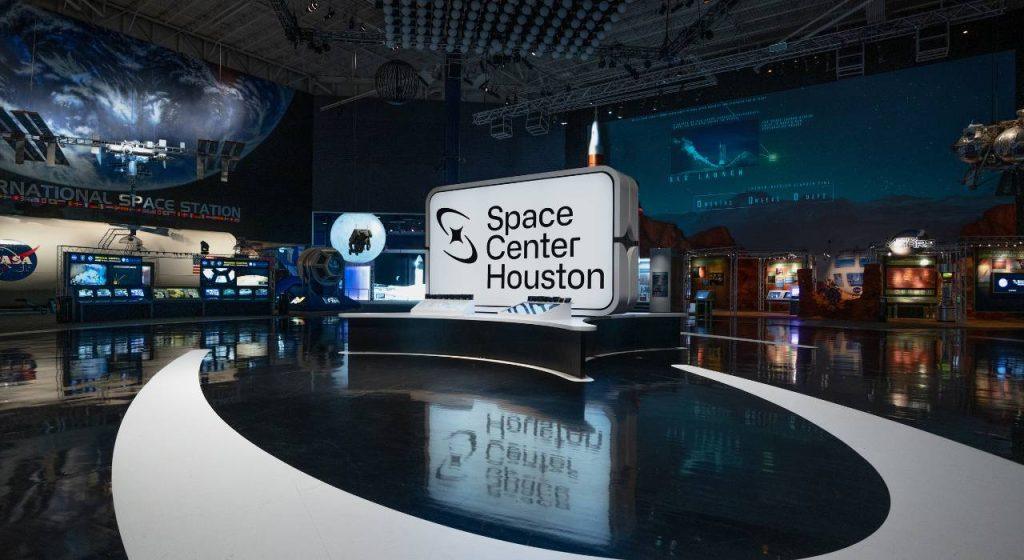
The popular Space Center Houston serves as a gateway for students and families, providing interactive exhibits, inspiring stories from astronauts, and unique opportunities to learn about the space program’s history and future. By making space accessible to the public, Houston is cultivating a culture of curiosity that promises to yield future advancements in the field.
Moreover, ongoing partnerships with schools and universities help nurture talent and provide practical experience for aspiring aerospace professionals. Houston’s investment in education is a commitment to ensuring that the legacy of exploration continues for generations to come.
The Impact of Houston’s Space Program on Society
The influence of Houston’s space program extends far beyond the realm of science and engineering. The achievements and milestones of the JSC have instilled a sense of pride and identity among Houstonians, shaping the city’s cultural landscape. Space exploration has united diverse communities, as residents celebrate their shared connection to the cosmos.
The program has fueled economic growth, providing thousands of jobs and opportunities across various sectors. The presence of NASA and surrounding aerospace companies has attracted talent from around the world, contributing to Houston’s dynamic and robust economy. The city’s growth as a center for technological innovation continues to expand its impact on both regional and national scales.
Moreover, the lessons learned from exploring space have profound implications for life on Earth. Research conducted aboard the ISS has led to developments in medicine, environmental science, and technology that benefit humanity as a whole. The quest to understand our universe parallels the pursuit of solutions to pressing global challenges, reflecting the interconnectedness of exploration and daily life.
Overall, Houston’s space program represents not just a series of remarkable missions and technological achievements, but a celebration of human ingenuity, resilience, and our endless quest to explore the unknown. As Houston looks to the future of space exploration, its storied history serves as a reminder that the quest for knowledge and discovery will always be part of our shared journey through the cosmos.