








Texas is witnessing an unprecedented surge in population growth, attracting hundreds of thousands of new residents each year. This influx, spanning from Central Texas to the Gulf Coast, is not only altering housing markets but also prompting communities to rethink their approaches to mobility, infrastructure, and the logistics of relocation.
Austin, in particular, has seen a steady influx of new residents fueled by job opportunities in technology, healthcare, and advanced manufacturing sectors. This rapid growth brings with it considerable challenges, including a tightening housing inventory, increased commute times, and the pressing need for infrastructure development to keep pace with the rising population.
Growth Creates Constant Movement
Texas consistently ranks among the top states for inbound migration as employment centers expand. Secondary cities and suburban areas, such as Round Rock, Pflugerville, and Cedar Park, are experiencing significant residential development to meet the growing demand.
This pattern of migration generates multiple ripple effects, including:
- Heightened demand for short-term housing transitions.
- A rise in in-state relocations.
- Shifts from apartment living to home ownership.
- Expansion into exurban communities.
Today, mobility extends beyond mere transportation; it encompasses how efficiently families navigate transitions between homes, neighborhoods, and cities. As growth accelerates, families frequently relocate for new job opportunities, access to better school districts, or improved affordability further from urban centers.
The Operational Side of Relocation
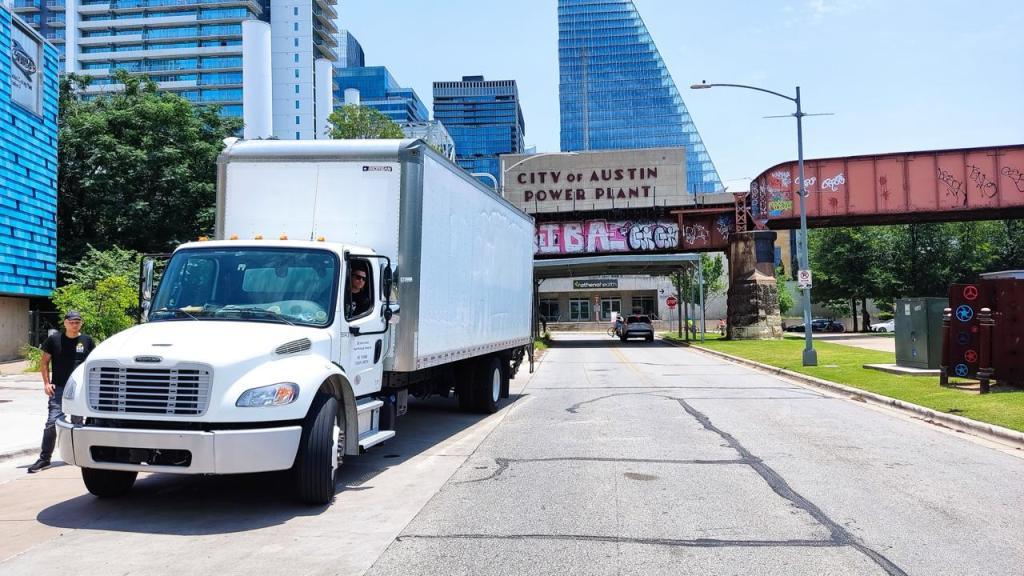
The surge in population also reveals logistical challenges that are often overlooked in policy discussions. Issues such as limited truck access in densely populated areas, stringent homeowners association regulations, and increased traffic congestion complicate the relocation process. Consequently, professional movers in Austin are experiencing a rise in year-round scheduling activity linked to workforce growth.
Additionally, peak relocation seasons have extended beyond the traditional summer months. With increased workforce flexibility, moving patterns are now more dispersed throughout the year. This evolution underscores the necessity for infrastructure planning that not only addresses traffic and utilities but also incorporates transitional mobility systems to facilitate efficient resident settlement.
As cities expand rapidly, the capacity for efficient movement becomes integral to economic resilience. Robust relocation systems enhance workforce mobility; when professionals can transition between homes with minimal disruption, both employers and local economies stand to gain.
Housing Patterns and Economic Flexibility
Texas has historically drawn residents from other states due to its affordability and job opportunities. However, the affordability landscape varies widely within metropolitan areas. As urban housing costs climb, many residents are migrating to suburban and semi-rural communities. This decentralization is reshaping traffic patterns, school enrollment figures, and the demand for services.
While policy discussions typically focus on zoning, density, and transportation infrastructure, the role of mobility services—including storage solutions and regulated relocation logistics—has become increasingly pivotal in supporting economic growth.
The ability to relocate efficiently influences several key areas:
- Job acceptance decisions.
- Expansion opportunities for small businesses.
- Transitions for military families.
- Responses to disaster recovery efforts.
Texas has a history of adapting to economic changes, and the continued population surge will necessitate a similar flexibility in relocation infrastructure.
Planning for a More Mobile Texas
To ensure sustainable growth, coordinated planning is essential. The development of housing, expansion of infrastructure, and enhancement of logistical systems must work in tandem to minimize friction during peak migration periods. Clear regulations, transparent pricing standards, and advancements in scheduling technology all contribute to more seamless residential transitions.
Mobility is intrinsically linked to opportunity. When families can relocate with ease, communities remain vibrant and labor markets retain their flexibility. Texas is not just growing; it is transforming the landscape of how Americans move and how cities adapt to these changes.
Professional relocation services, such as those offered by Royal Moving & Storage Austin, are playing a crucial role in supporting families and businesses across Texas.