








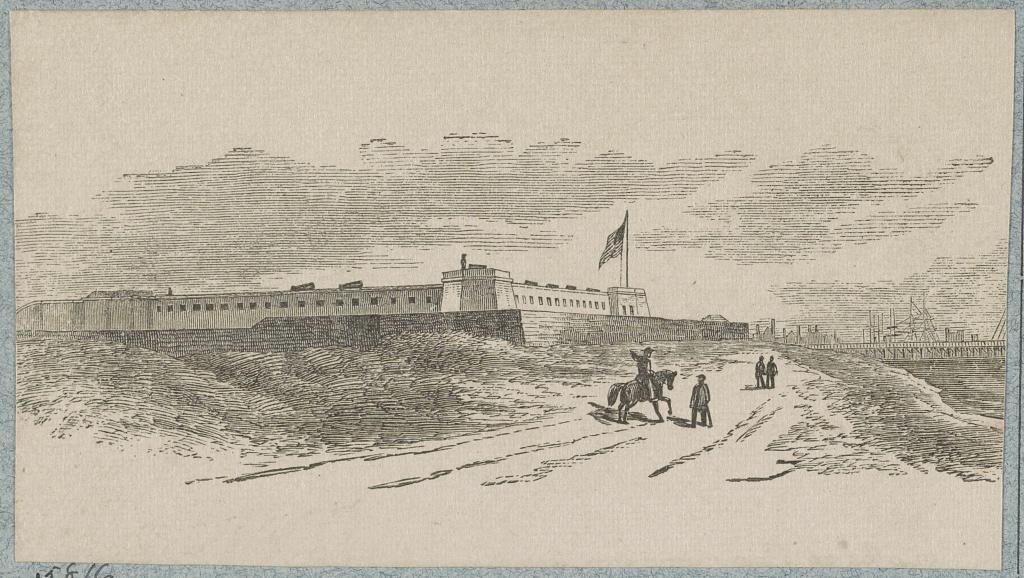
The History of Texas Military Forts
Texas, known for its vast landscapes and monumental history, has been the backdrop for a variety of military operations since its early days. The establishment of military forts in Texas played a pivotal role in shaping the state’s borders, governance, and relationships with indigenous communities. These forts served not only as military outposts but also as centers of trade, cultural exchange, and conflict.
From the earliest days of colonization and exploration to the Mexican-American War and beyond, the history of Texas military forts is a testimony to the evolving needs and strategies of military presence in the region. They symbolize a microcosm of the broader American experience, reflecting the themes of expansion, conflict, and resilience.
The Beginnings: Early Forts and Settlement
The story of military forts in Texas begins with European exploration in the early 18th century. The Spanish were the first to establish a military presence in the area, primarily as a means of protecting their settlements from indigenous tribes and rival colonial powers. In 1716, Spanish missionaries and soldiers established the first military outpost known as Fort St. Louis near present-day Matagorda Bay. This fort served as a base for further exploration and exerted Spanish influence over the region.
Despite its initial purpose, Fort St. Louis struggled to maintain a permanent settlement due to attacks from the Karankawa Indians and deteriorating supplies. In 1773, the Spanish decided to fortify the region further, leading to the establishment of additional forts such as Presidio La Bahía in Goliad and San Antonio de Béjar. These posts became critical in the struggle against foreign invasions and were integral in conducting trade with local tribes.
Throughout the late 18th century and into the 19th, the mission system continued to expand, resulting in more military installations. The forts transitioned from purely defense to becoming social centers where traders, settlers, and soldiers interacted, leading to the multifaceted cultural landscape that characterizes Texas today.
The Mexican-American War: Forts in Conflict
The scene in Texas shifted dramatically during the mid-19th century. As tensions rose between the United States and Mexico, the presence of military forts became more crucial. The most notable of these was Fort Worth, established in 1849 in response to the increasing threat from Native American tribes and the ongoing turbulence with Mexico. Fort Worth served as a central hub for the expansion of American settlers into Native American territories.
As hostilities escalated into the Mexican-American War (1846-1848), Texas forts became instrumental in launching military campaigns. Fort Brown, located in Brownsville, served as a strategic point for U.S. troops crossing the Río Grande into Mexican territory. The fort played a significant role in the Battle of Palo Alto and the Battle of Resaca de la Palma, where American forces prevailed, paving the way for further incursions into Mexico.
The establishment and maintenance of these forts required considerable resources and manpower. Soldiers stationed at these outposts faced harsh living conditions, from the sweltering heat of summer to the harsh winters. Despite these challenges, the forts provided a buffer against hostile forces and facilitated the settlement of American citizens in the region. Post-war, many of these installations were repurposed for various functions, including assisting in the peaceful integration of Native tribes into burgeoning settlements.
The end of the Mexican-American War did not diminish the importance of military forts in Texas. In fact, their role evolved considerably during the Reconstruction Era (1865-1877). Many forts transitioned into places that not only housed troops but also served as sites for the enforcement of federal laws in a state that remained deeply divided in the aftermath of the Civil War. Forts such as Fort Sam Houston in San Antonio became crucial in ensuring law and order during a tumultuous period.
With the Indian Wars occurring throughout the late 19th century, Texas forts found themselves at the forefront of conflict with numerous Native tribes. The U.S. Army engaged in skirmishes against tribes such as the Comanche and Apache, using forts to regroup, resupply, and strategize. Notably, Fort Concho, established in 1867, became a key military post serving to protect overland mail routes and the expanding settlement of west Texas.
By the early 20th century, many of the original military forts were losing their strategic importance due to changing military tactics and technological advancements. The frontier was slowly being settled, and the need for such installations as strongholds against Native American tribes had diminished significantly. As a result, many forts were decommissioned or repurposed for other military purposes, such as training centers or supply depots.
World Wars and Modernization of Forts
World War I and World War II marked a significant turning point for military installations across the United States, and Texas was no exception. With the increasing necessity for larger training facilities, Texas military forts underwent a series of expansions and renovations to accommodate the influx of troops. Noteworthy was the transformation of Camp Bowie, which was established near Fort Worth, becoming a pivotal training ground during World War I.
During World War II, major installations such as Fort Sam Houston and Fort Bliss were expanded to serve as key distribution centers for soldiers heading off to combat zones. The Army adapted its needs to facilitate the war effort, incorporating modern technologies and establishing a robust logistical network. The presence of military forts became critical not just for training but for the deployment of hundreds of thousands of soldiers.
After World War II, a new phase of military history in Texas began as the roles of these forts evolved further. Some were transformed into Air Force bases, while others were retained as Army posts. Significant upgrades in technology and changes in warfare led to the reassessment of roles, enhancing both defensive and operational capabilities.
Legacy and Preservation of Military Forts Today
Today, many historic military forts around Texas have been preserved as historical sites, museums, or cultural landmarks. Sites like Fort Davis and Fort McKavett offer visitors a glimpse into the rugged life of soldiers stationed in the frontier while preserving the rich tapestry of interactions between colonists, soldiers, and Native tribes. These forts are not merely remnants of the past; they embody the spirit of resilience and adaptation that has characterized Texas through centuries of turmoil and transformation.
The significance of these forts extends beyond history education; they contribute to tourism, local economies, and community identity. Educational programs, reenactments, and cultural events at these sites draw thousands of visitors yearly, fostering an appreciation for Texas’s diverse heritage.
Moreover, as discussions around historical interpretation grow, the narratives surrounding these forts have evolved. Initiatives aimed at including the perspectives of Native American tribes and other marginalized voices reflect a broader understanding of history’s complexities. Thus, as the legacy of Texas military forts continues to permeate modern culture, it provides a holistic view of not only the military history of the region but of the broader American narrative.
A Window into the Future
The future of Texas military forts hinges on a delicate balance of preservation, education, and community involvement. As society becomes increasingly aware of historical narratives, the challenge remains to navigate the complex stories that these forts tell. There is an opportunity to transform these sites into centers of dialogue that not only reflect on the past but also engage with contemporary issues of military service, Indigenous rights, and historical memory.
The resilience demonstrated by the soldiers and communities around these military forts reverberates through time. They serve as critical reminders of Texas’s unique history and the integral roles these sites played in shaping the state’s identity. As Texans and visitors continue to explore the rich tapestry of narratives, Texas military forts will forever stand as a testament to the changing tides of history.
In recognizing their significance, communities and historians alike can ensure that the tales of hardship, bravery, and coexistence, which are encapsulated within the walls of these historic forts, are honored and told for generations to come.