


SEMINOLE — Anita Froese’s middle daughter first exhibited symptoms of measles, including fatigue, body aches, and distinctive strawberry-colored spots on her skin. After a couple of days, her son began to show the same signs, followed by her youngest daughter, who suffered a high fever and persistent vomiting.
Rather than seeking medical attention, Froese opted for alternative remedies, administering cod liver oil, vitamins, tea, and broth. She regularly refreshed cold compresses and facilitated Epsom salt baths, even taking her children to a holistic health center for an IV treatment typically used for heavy metal poisoning.
None of Froese’s children are fully vaccinated against measles. She halted vaccinations for her first two children after hearing about adverse reactions in others and chose not to vaccinate her third child at all. Despite a measles outbreak impacting her community, Froese believed that allowing her children to contract the disease would help them build natural immunity, which she equated to the flu.
“To me, it didn’t seem like a big deal,” Froese, who received vaccinations as a child, remarked. Meanwhile, health experts outside the small West Texas town of 7,000 watched with alarm as the outbreak spread, affecting at least three other states and even crossing international borders. Tragically, the outbreak claimed the lives of two children, both of whom were Mennonites, like Froese. In total, at least 762 Texans fell ill, with more than half of the cases reported in Gaines County, and 99 people required hospitalization. This outbreak marked the largest in the United States in over three decades.
For the affected Mennonite community, the scrutiny from the public felt more daunting than the disease itself. Froese and others within her community express little inclination to get vaccinated, feeling distrustful of government and health officials whom they believe have unfairly targeted them for the outbreak.
Mennonites pondered why their community faced national scrutiny due to measles, questioning the motives behind the media’s desire to cover their personal losses. They were bewildered by outsiders suggesting they should leave the country for exercising their right to refuse vaccinations.
“You’re viewed as ignorant, almost like you’re fueling this outbreak, but that was never the case,” said Pastor Jake Fehr of the Mennonite Evangelical Church.
Vaccine hesitancy has been growing among Mennonites for the past two decades, a group known for their historical distrust of government. The pressures brought on by pandemic-related mandates intensified these sentiments within the Mennonite community in Seminole and across Texas.
The group exemplifies a broader trend of vaccine skepticism in the state. This year, Texas saw a significant rise in parents opting out of measles vaccinations for their kindergarteners, with nearly 20% of children in Gaines County exempted compared to a state average of less than 4%. The vaccination rates in Seminole are likely even lower, considering the number of homeschooled Mennonite children.
Measles, known to be one of the most contagious diseases, can lead to severe complications, particularly in young children, and was previously rare in the U.S. due to widespread vaccinations. The U.S. Centers for Disease Control and Prevention reports that two doses of the measles vaccine are 97% effective in preventing the disease.
Health officials in Texas declared the outbreak over in August, a conclusion Froese believes was exaggerated from the outset. “I know many who had measles as children, and they all survived,” she stated. “That was a risk I was willing to take.”
As the measles outbreak unfolded, John Peters, 54, a member of the Mennonite community, grew concerned that he was experiencing symptoms consistent with the disease, including fatigue and body pain. However, after finally yielding to his wife’s insistence and visiting a doctor, he discovered that he did not have measles but leukemia.
Peters underwent multiple blood transfusions and took significant precautions to avoid exposure to illness, given his weakened immune system. “I had zero immunity,” he said. “I could not afford to get measles.”
Identifying as a modern Mennonite, Peters contrasts with more traditional members of his community. He actively participates in public life, hosting a radio show and writing for local publications. His upbringing included a blend of traditional and modern medical practices, as his mother utilized both natural remedies and vaccinations.
Peters acknowledges the benefits of vaccination and has chosen to vaccinate his daughters after conducting thorough research and consulting with medical professionals. He recognizes the historical impact of vaccines in eradicating diseases like polio and attributes his survival to modern medicine.
Despite the threat posed by the measles outbreak, Peters remains steadfast against forced vaccinations. He even questioned whether his COVID-19 vaccinations could have contributed to his leukemia diagnosis. This year’s push for vaccinations among Mennonites echoed the challenges faced during the COVID-19 pandemic.
Many in the Mennonite community resisted government mandates during the pandemic, and similar sentiments arose during the measles outbreak. “The pro-vaccine crowd has messed up,” Peters remarked, emphasizing that mandatory vaccinations feel wrong to many in his community.
Local health food stores became hubs for unconventional treatments during the outbreak, distributing items like cod liver oil and vitamin A supplements. While a portion of the Seminole population opted for vaccinations, many vaccination sites saw little activity.
Froese believes the COVID-19 pandemic has further entrenched the Mennonite community’s opposition to vaccinations. She perceives the government’s response as exaggerated, recounting instances where hospital policies affected her family members adversely, such as restricting visits to sick relatives.
After her children’s recovery, Froese observed lingering health issues but remains skeptical about their connection to measles, questioning the severity of the disease’s long-term effects. She takes pride in how her community managed the outbreak and is more convinced than ever of their ability to resist diseases without external intervention.
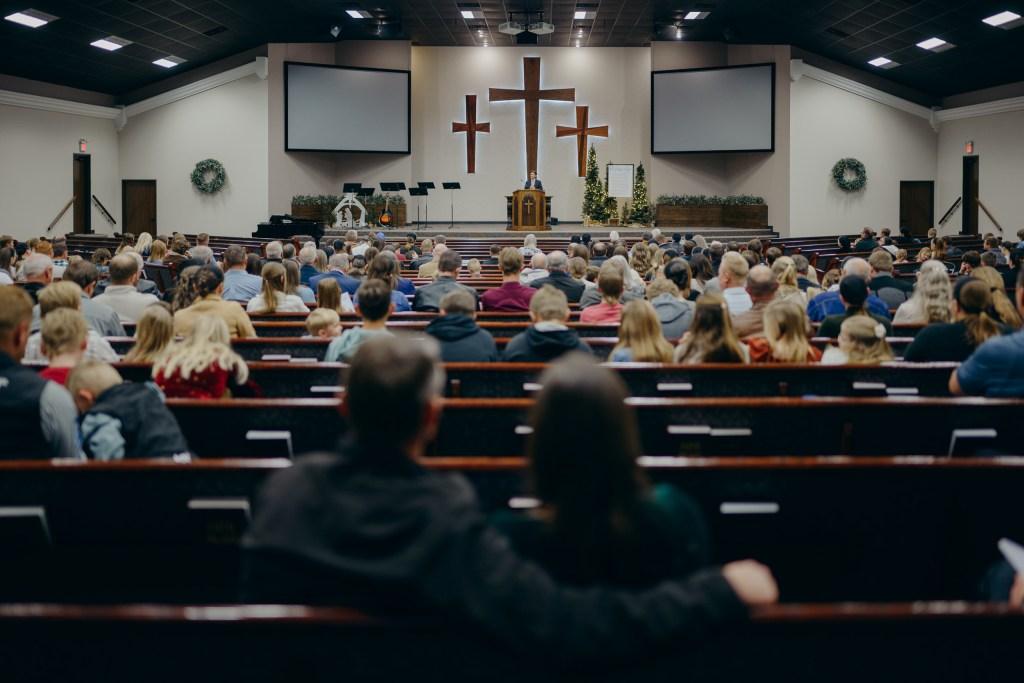
On a recent Sunday, more than 170 vehicles filled the parking lot of the Mennonite Evangelical Church in Seminole, where families gathered to celebrate their children’s recovery from measles. However, the disease’s legacy lingers, with new cases still emerging across the U.S. If these strains connect to the West Texas outbreak, the nation may risk losing its measles elimination status.
Dr. Wendell Parkey, chief of staff for Seminole Memorial Hospital, expressed concerns about the potential for future outbreaks, including whooping cough. He believes the medical community must adapt to the reality of rising illness rates and wishes for a society more inclined to vaccinate.
Health officials have been proactive in disseminating information regarding the importance of measles vaccinations, but local doctors fear that without building trust and understanding, the community may remain resistant to future health initiatives. As the outbreak has diminished trust, the challenge of effectively communicating health messages to the Mennonite community remains a pressing concern.
John Dueck, editor of a Canadian Mennonite newspaper, served as a bridge between the community and health officials, promoting understanding and dialogue. He emphasized the importance of establishing relationships during peaceful times to foster receptivity during crises.
Despite some families choosing to vaccinate during the outbreak, the broader challenge of addressing vaccine hesitancy persists, requiring a shift in approach to engage the community effectively.