








The Story Behind Famous Texas Flags
The Lone Star State is as renowned for its rich tapestry of history as it is for its iconic symbol: the flag of Texas. From its independence from Mexico to its current status as a significant player in American culture and politics, the Texas flag stands proudly as a testament to its storied past. Understanding the flags that have represented Texas over the years provides fascinating insights into the state’s identity and the values held dear by its residents.
While many may only recognize the modern rendition of the Texas flag, several variations capture stories of struggle, pride, and cultural heritage. Each flag reflects a moment in Texas history, illustrating how the state has evolved and the diverse influences that shaped its present. This article delves into the different flags that have defined Texas, exploring their origins, meanings, and the lasting impact they have had on the state’s identity.
The Origins of the Texas Flag
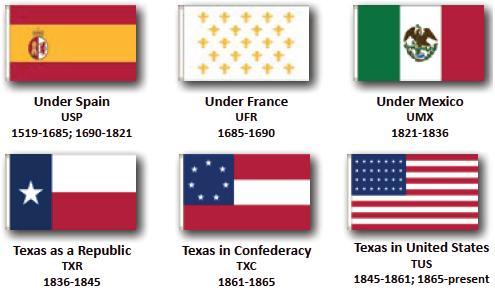
The quest for an official Texas flag dates back to the mid-19th century when Texas declared independence from Mexico in 1836. The original flag, known as the “Lone Star Flag,” was created to symbolize the fight for autonomy and a fresh beginning. The design featured a single white star on a blue vertical stripe and horizontal stripes of white and red, capturing the spirit of the new republic.
This original flag swiftly became a powerful emblem of Texas pride and resilience. The single star, often referred to as the “Lone Star,” not only represented Texas but also served as a reminder of the sacrifices made by those who fought for independence. The Lone Star Flag waved over Texas until the state joined the United States in 1845. This historical transition marked a significant point, influencing the design of future flags while instilling a robust sense of identity among Texans.
Throughout its tumultuous journey—from a republic to a state—Texas’ flags have resonated with the ideals of freedom and individualism. The Lone Star Flag’s lineage can be traced back to numerous adaptations, including flags representing different Texan territories and influences from various cultures, echoing the diversity of the people who call Texas home. It is this backdrop of history that makes each flag a vital chapter in the larger narrative of Texas.
The Lone Star Flag of 1836
The Lone Star Flag, adopted in 1836 shortly after Texas gained independence from Mexico, is perhaps the best-known representation of Texas. Its three horizontal stripes—white on the top, red in the middle, and blue on the bottom—symbolize various facets of Texas’ history and its motto: “Liberty or Death.” The blue vertical stripe, featuring the singular white star, signifies the unity of Texan settlers in their fight for independence.
This flag embodies the essence of the struggle for sovereignty against adversaries, making it an emotional symbol for residents. It not only reflects the determination of a burgeoning nation but also represents the Texan spirit that continues to thrive in the modern era. Many local businesses and organizations draw on the symbolic power of the Lone Star to convey a sense of pride and devotion to Texas.
Over the years, the Lone Star Flag has become a familiar motif across Texas, appearing in various forms and settings—from vehicle decals to clothing. Its significance extends beyond mere decoration; it is an assertion of Texas’ cultural identity, marked by a rich history of independence, strength, and unity. The flag’s design influences countless iterations in art, commerce, and community representation, revealing the strong emotional connection Texans have with this emblem.
The Texas State Flag of 1845
Officially adopted by the Texas legislature in 1845, the Texas State Flag retained many elements from its predecessor, the Lone Star Flag but incorporated the broader representation of the state as part of the United States. The flag’s design echoes the simplicity and symbolism from earlier flags while affirming Texas’s identity as a proud member of the Union.
The Texas State Flag is unique because it willfully celebrates its own character while embracing a larger narrative of unity with the United States. The prominent blue stripe along the left emphasizes Texas’s historical ties to both its past as an independent republic and its role within the country at large. The red and white stripes signify purity and valor, respectively, upholding the traits cherished by Texans and serving as a reminder of their continuous strive for liberty and heritage.
Over the years, the Texas State Flag has weathered challenges of misrepresentation and controversy, particularly during times relayed with civil rights movements. Nonetheless, it remains a symbol of resilience and an honor to Texas history. The flag is flown proudly at various state events, festivals, and gatherings, reinforcing its place as an integral part of Texas culture.
Flags Representing the Republic of Texas
The Republic of Texas, which lasted from 1836 to 1845, had several flags symbolizing its independence between the Spanish and Mexican administrations. In addition to the Lone Star Flag, other flags reflect the diverse influences that shaped the nation. One such example is the “Flag of the Republic of Texas,” which featured a blue and gold color scheme, depicting a lone star on its own, distinct from the subsequent adaptations.
This blue and gold flag embodied fidelity and nobility, traits that were immensely important to Texan leaders. The choice of colors reflected a blend of European traditions and the cultural diversity within Texas—a snapshot of the new society that was developing within its borders. Proponents of this flag viewed it as an emblem of hope and new beginnings, relevant to Texas’s aspirations for a stable and free republic.
Flags like the “Star of the West,” another significant banner of the Republic, showcased the influences from various regions and groups. It underscored the fact that Texas was not merely a geographic location but a dynamic cultural mix, driven by ambition and historical significance. Many of these early flags have fallen into obscurity, yet they thread an important part of Texas’s fabric, representing the complex relationships between indigenous groups, European settlers, and Mexican governance.
The Impact of the Civil War on Texas Flags
The Civil War produced profound changes across the United States, including in Texas. Amid the conflict, flags assumed new meanings. The state flag was often used to rally troops and designate loyalty to either the Confederate or Union causes. The persistence of the Lone Star motif continued, representing Texas’s reality at a time of divided national sentiment.
As Texas joined the Confederacy, various flags emerged, combining elements of the Texas flag with classic Confederate iconography. These flags, including the hard-hitting “Confederate Lone Star Flag,” marked an era of upheaval and struggle. Despite their divisive nature, these early war flags serve as reminders of the trials faced during the nation’s most contentious period.
Post-war, the state flag adapted to symbolize the reunification of the country. The wounds of war slowly healed, and Texans began to reclaim their flag and reestablish its identity as an emblem of state pride amid the changing national landscape. The reinterpretation of Texas flags in the post-Civil War era not only served as a reconciliation of the past but also helped pave the way for a new future that embraced Texas’s unique identity within the larger American context.
The Modern Texas Flag: A Symbol of Unity and Identity
Today’s Texas flag is recognized worldwide, embodying both state pride and a cohesive American identity. Over the years, it has adapted to a modern context, holding symbolic significance far beyond its original purpose as a mere banner for colonists. It now serves as a vehicle for fostering connections among diverse Texas communities and promoting civic engagement.
The flag has become a staple at sporting events, parades, and cultural festivals, where Texans showcase their deep-rooted love for their state. It stands as a beacon of hope and unity, reminding residents of their shared history despite their differences. The Texas flag invites all to celebrate their heritage, melding together a wide array of cultures, ideas, and expressions.
Moreover, the modern Texas flag has inspired countless initiatives aimed at charitable causes, environmental wellbeing, and civic education. Its imagery appears on numerous products, branded merchandise, and art, demonstrating the profound emotional connection people have with the flag on a daily basis.
The Influence of Social Media on Texas Flag Representation
In the age of digital communication, social media has magnified the representation of the Texas flag across various platforms. Hashtags like #TexasPride and #LoneStarSpirit dominate discussions, showcasing the flag in unique contexts—everything from food trucks adorned with its design to state-themed memes circulating widely online. This digital portrayal plays a crucial role in shaping perceptions and attitudes towards the Texas flag.
Additionally, social media has provided a platform for citizens and organizations to voice opinions about the flag and its meaning. Discussions surrounding its use in protests or as a symbol of various movements shed light on contemporary social issues and how they resonate with historic Texas identity. This engagement fosters community spirit while enabling residents to connect with each other over shared values and goals.
As Texas continues to evolve with changing demographics, the flag remains a point of pride, colorfully woven into daily conversations and cultural expressions. New generations flourish in understanding the history behind the emblem, blending it with their unique perspectives, creating a layered narrative that honors the past while embracing the future.
Honoring the Legacy of Texas Flags
The flags of Texas are much more than simple pieces of fabric; they tell stories filled with struggle, identity, and transformation. Each flag represents critical moments in Texas history, underlining the dynamic relationship between its citizens and their aspirations. From independence to statehood, and from the Civil War to the modern era, Texas flags have held steadfast as symbols of unity and pride.
As today’s Texans wave their flags, they celebrate their unique heritage while also honoring those who came before them. The stories behind these flags invite us to reflect on the diverse influences that shaped the Texas identity, empowering individuals and communities to engage in meaningful discourse about heritage and future aspirations.
By understanding the flags that have come to symbolize the Lone Star State, we can appreciate the intricate threads woven into Texas culture. They remind us of the values of independence, resilience, and unity, reinforcing the idea that the flags of Texas are not just artifacts of the past but are living symbols, continually evolving with each new generation. In honoring these legacies, Texans contribute to a brighter and more inclusive future, where the pride of the Lone Star State shines brightly for all to see.