








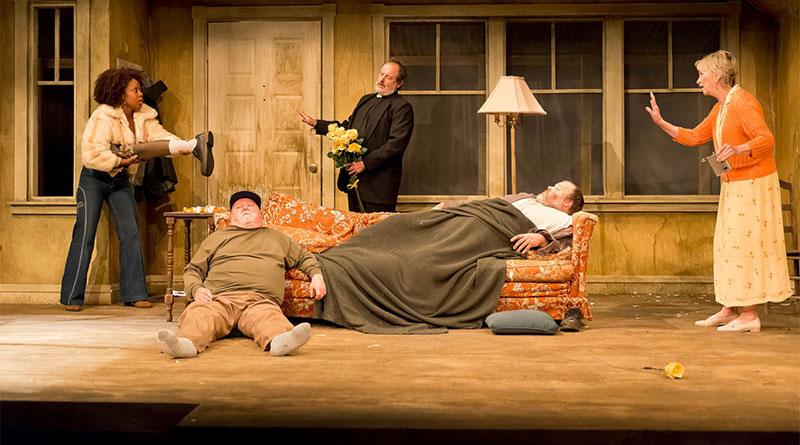
The Houston Theatre Scene: Past and Present
The Houston theatre scene is a vibrant tapestry woven from the rich histories of its diverse communities, evolving over decades to reflect a blend of traditional and contemporary performance arts. This city, famously known for its space exploration and culinary delights, has also quietly nurtured a strong theatrical tradition that boasts a plethora of genres, styles, and cultural influences. With its dynamic landscape, Houston offers a platform for both emerging talents and renowned professionals, crafting a theatre ecosystem that thrives on innovation and inclusivity.
Tracing the roots of theatre in Houston reveals a history colored by the cultural melting pot that the city embodies. It has transformed from humble beginnings to a bustling theatrical hub, hosting an array of performances from classical works to cutting-edge experimental shows. Today, the Houston theatre scene not only entertains but also challenges societal norms and addresses contemporary issues, ensuring its place in the hearts and minds of its audience.
A Historical Perspective
The Early Days of Houston Theatre
The inception of theatre in Houston can be traced back to the late 19th century, with small theatrical companies putting on plays in makeshift venues. The first significant step toward a more established theatre scene came with the formation of the Houston Lyceum and Carriage Company in 1866, which presented a variety of performances ranging from Shakespearean drama to melodramas. Despite facing numerous challenges, including the impact of the Civil War and economic downturns, this early company laid the groundwork for future theatrical endeavors.
By the early 1900s, Houston began to witness the establishment of dedicated performance spaces, such as the Hobby Center for the Performing Arts and the Alley Theatre, which became prominent venues for professional productions. The Alley Theatre, founded in 1947, has particularly earned acclaim for its commitment to producing classic and contemporary plays with a distinct Houston flavor. It has played a significant role in shaping the city’s theatrical identity and has garnered numerous awards for its contributions to the arts.
Throughout the mid-20th century, theatre in Houston began to flourish significantly. The post-World War II era saw a rise in cultural appreciation, with numerous companies and festivals emerging to showcase a wealth of creativity. The increased immigration and blending of cultures introduced a variety of artistic influences, enriching the local theatre scene further. From the works of local playwrights to adaptations of international classics, Houston’s theatre began to reflect the diverse population and its stories.
Cultural Shifts and Diversification
The late 20th century was marked by profound cultural shifts in the United States, and Houston was no exception. The theatre scene adapted to an evolving social landscape marked by movements for civil rights and representation. During this period, new companies emerged that emphasized inclusivity and diversity within their programming. Organizations such as the Houston Black Theatre Troupe and Teatro Luna Houston began to carve out spaces that highlighted the experiences of underrepresented groups, producing works that resonated with local and national audiences.
Additionally, the establishment of Latin American theatre festivals showcased the richness of Spanish and bilingual productions, further opening up the Houston theatre scene to a broader array of narratives and performances. This diversification has proven instrumental in enriching the cultural fabric of the city, as theatre companies strive to reflect the multifaceted identities present in Houston.
As many theatre companies have embraced contemporary issues, there has been a notable shift towards tackling themes such as immigration, identity, and social justice. Seasoned organizations have partnered with newer entities, creating collaborative efforts that have led to innovative productions. The advent of technology and modern communication methods has also democratized access to theatre, introducing virtual performances and allowing more audiences to engage with the art form.
The Modern Houston Theatre Scene
Diversity in Performance
Today, the Houston theatre scene is recognized for its diverse range of performances that cater to audiences of all backgrounds. This transformation is evident in the varied offerings available to theatre-goers, from musicals and dramas to comedy shows and avant-garde performances. Renowned companies like the Houston Grand Opera and Meadowlark Music Festival consistently deliver high-quality productions while also championing new works that challenge the traditional norms of theatre.
The diversity extends beyond the type of performances, influencing the artists and creators behind the curtain. Houston has become a nurturing ground for playwrights, directors, and performers from different cultural backgrounds, leading to a more inclusive representation of voices in theatre. Local playwrights like Cheryl L. West have gained recognition for their poignant storytelling, further catalyzing conversations surrounding race, gender, and identity.
The emergence of community-based theatre programs has also provided a platform for local artists to develop their skills. Companies like the Stages Theatre prioritize educational outreach, fostering young talent and allowing them to explore the arts. These efforts not only cultivate the next generation of theatre-makers but also encourage community engagement and participation.
The Impact of Technology and Social Media
The advent of digital technology has transformed how theatre is produced and consumed in Houston. Companies are increasingly turning to social media platforms to promote their work and engage with audiences in ways previously unimaginable. Through innovative marketing strategies, theatre organizations can reach younger demographics, ensuring the continuity of the art form into future generations.
Additionally, the integration of technology in performances offers exciting new dimensions to storytelling. Augmented reality experiences and live-streaming events have allowed Houston theatres to expand their reach, enabling audiences worldwide to partake in local productions. This blending of technology and theatre has generated buzz around Houston’s arts scene, presenting opportunities for collaboration between tech innovators and artistic creators.
Moreover, many theatres have adopted hybrid models, offering a combination of in-person and virtual shows. This strategy not only addresses the contemporary need for accessibility but also opens the door to a global audience. Such approaches reflect a shifting paradigm in the theatre industry, marking Houston as a forward-thinking city ready to embrace the challenges of modern performance art.
Challenges Facing the Houston Theatre Scene
Financial Struggles and Funding
Despite the vibrant nature of the Houston theatre scene, there are significant challenges it faces, particularly concerning financial sustainability. Like many cities across the country, Houston theatres have grappled with the impact of the COVID-19 pandemic. Several organizations experienced devastating losses due to closures and the suspension of live performances. This resulted in a scramble for financial support and grants to stay afloat and maintain operations.
Even as the city reopens, many theatres continue to navigate the uncertain economic landscape. Donor fatigue, a chronic issue for non-profit theatre organizations, has led to intense competition for limited funding. Smaller companies, in particular, struggle to secure resources needed to produce high-quality productions and maintain staff. Addressing these financial challenges requires creativity and innovation, as theatres must rethink their business models while remaining committed to artistic excellence.
The need for sustainable funding solutions is critical. Advocacy for increased public funding and private sponsorship can provide much-needed resources for local theatres. Collaborations between businesses and arts organizations may also foster mutual benefits, helping to secure a strong future for Houston’s theatre community.
Representation and Equity
As Houston’s theatre scene continues to grow and diversify, there remains a pressing need for intentional efforts toward inclusion and equity. While significant strides have been made, some underrepresented groups still experience barriers to entry in the theatre landscape. This underscores the importance of continued dialogue about systemic issues within the industry.
Efforts must be made to ensure that the voices of marginalized communities are not only represented on stage but are also reflected in the management and production teams behind the scenes. By adopting practices that promote equity, theatre companies can help nurture a more inclusive environment for artists, audiences, and patrons alike.
Programs aimed at cultivating dialogue about representation and providing training workshops can help bridge existing gaps. Creating opportunities for collaboration between different communities can foster understanding and support the cultivation of diverse narratives that enrich the local theatre experience.
Looking Ahead
The Future of Theatre in Houston
The future of theatre in Houston promises to be as dynamic and multifaceted as its past. With a growing commitment to innovation, diversification, and community engagement, Houston stands at the precipice of a new era in its theatrical journey. The collective efforts of playwrights, actors, directors, and audiences will shape the landscape, ensuring that it continues to thrive for generations to come.
Emphasizing the value of arts education and outreach will be paramount in nurturing the next wave of talent. By investing in youth programs and community initiatives, Houston theatre can inspire and empower budding creatives to pursue their passions. These early experiences can lay the foundation for a lifelong love of the performing arts, encouraging community members to become active patrons of theatre.
In a time when stories of resilience and hope resonate more than ever, Houston’s theatre scene is uniquely positioned to tackle these narratives head-on. By adapting to change, collaborating across boundaries, and prioritizing inclusivity, the city will continue to cultivate a theatrical landscape that not only entertains but also enlightens and inspires.
Embracing the Diversity of Houston
The heart of Houston’s theatre scene lies in its diversity, a reflection of the community it serves. Artists, audiences, and organizations must continue to honor and celebrate the unique stories that comprise the city’s identity. As new productions emerge, Houston theatre stands to remain a beacon of creativity, challenging stigmas and expanding the horizons of performance art.
In an increasingly interconnected world, the role of theatre is evolving—an evolution that Houston embraces with open arms. As the city fosters an environment for artistic exploration and collaboration, audiences will find themselves captivated by narratives that resonate on both a personal and universal level. The journey of Houston’s theatre scene continues, inviting all to partake in this vibrant tapestry of human expression.