








Music non-fungible tokens (NFTs) have not evolved into a universal substitute for streaming services, digital downloads, or physical records. Following their initial surge in popularity, they now serve more specialized functions: as collectibles linked to music releases, records of direct sales, or passes to exclusive content and events. However, these roles do not inherently ensure the longevity of a song or the preservation of a website. A token may remain in a digital wallet even after the original experience has faded away, its sustainability dependent on the media, the contractual agreements, and the online services associated with it. Thus, a fan purchasing a single item must trust multiple organizations that may not be documented within that item itself.
An example of this limited utility can be seen in a 2025 campaign by the J-pop group Sandal Telephone. Fans who spent approximately 5,000 yen on merchandise were rewarded with a digital collectible, and accumulating three or more collectibles granted access to exclusive video content. With the group announcing its split on April 30, 2025, the collection had a clear endpoint. The transaction did not involve the sale of any musical composition or master recording; instead, it served as a souvenir and a ticket to a moment in the band’s history.
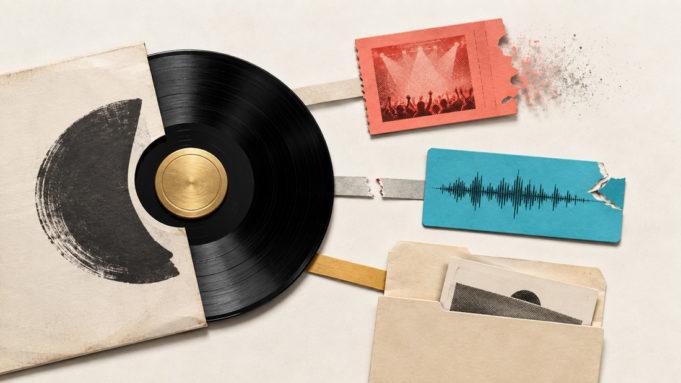
Once a collectible is acquired by a fan, the various components may no longer function in unison. The merchandise can be displayed on a shelf, the wallet may continue to show the token, and the exclusive video might rely on an account, file host, or access rules that could change in the future. If the token is resold, this further complicates matters, as the token may transfer ownership while the original benefits may not. What initially appears as a single purchase can evolve into several distinct records, files, and promises, each managed by different entities for varying durations.
Each music NFT relies on systems that may change independently of one another. While the blockchain records a wallet and transaction, the audio, artwork, or video may exist on a different server. Access to events or private releases remains contingent on the organizer honoring the promised benefits. Features like playback, search capabilities, user profiles, and community interactions are tied to the website or application associated with the token.
For those finding this setup confusing, seeking broader educational resources on blockchain technology and NFTs can be beneficial. Platforms like AlphaWire offer comprehensive coverage that helps clarify the workings, advantages, and challenges of this technology. Understanding these foundational concepts can then be applied to niche areas, such as music NFTs.
It’s essential to pay close attention to evolving dates and claims as they relate to individual projects. Initial launch narratives capture intended uses, while subsequent reports may reflect user uptake, company choices, service modifications, or even closures. Engaging with this information as a timeline can prevent misinterpretations of launch-day promises as permanent features. An entry recorded on the blockchain can remain visible even if its linked file becomes inaccessible. An acquisition might retain an editorial archive while discontinuing the original storefront or membership system.
For artists, these shifts create a distinction between a lasting connection with their audience and a fleeting distribution model. For fans, they indicate that owning a token does not guarantee ongoing access to the music or experience that gave it its significance.
Rights also introduce another layer of complexity. Typically, the owner of a token may receive a personal license to view the associated media, but the artist retains the underlying rights and determines how the media is presented. Consequently, even a transferable token may include a private video or invitation to an event that is personal, temporary, or inaccessible to future buyers.
What Can Survive a Platform Change
The relationship between a token, its linked file, promised benefits, and the surrounding service can exist independently. To determine the potential continuity, four essential checks can be performed:
- Use: What may persist?
- External dependency: Is there a reliance on outside services?
- Later check: Can the current state be verified?
A collectible’s token identifier and transaction may endure, but the hosting of artwork or media raises questions about whether the referenced file remains accessible. Similarly, a proof of token ownership might be present, but does the event or private content still honor the promised benefits? The purchase record and associated metadata will indicate playback, download, and usage terms, but where are these files and terms managed? Finally, some item and transaction records may exist in platform catalogs, but can archives or catalogs migrate effectively?
Media stored on decentralized networks may continue to be accessible as long as participants maintain their storage. In contrast, a token pointing to a traditional web address is contingent upon its owner keeping the file active. Such links can become inactive due to domain changes or unpaid hosting fees, even while the transaction remains visible. Neither arrangement guarantees that an event will take place, a private group will stay operational, or a company will continue its business.
Nina Protocol After the Closure
Founded in 2021, Nina Protocol aimed to integrate blockchain distribution and sales with artist pages, discovery tools, genre mapping, and editorial content. Artists had the ability to upload music directly, and the service later introduced customizable catalog hubs. Following the announcement of Nina’s closure, SoundCloud acquired certain components of the platform. Reports indicated that this acquisition included Nina’s editorial archive and genre map, while artists were given the option to transfer their catalogs into SoundCloud’s creator system. An analysis highlighted that approximately 77% of nearly 37,000 listings had gone unclaimed, with around $50,000 spent throughout Nina’s existence.
Although Nina’s original service has ended, its editorial content has found a new home, and participating artists have been provided with a path for migration. However, blockchain records alone cannot sustain search tools, staff contributions, artist relationships, or the context that an archive provides.
The question of whether music NFTs are still in use now requires a more nuanced examination. What does the token embody? Who oversees the file or fulfills the promised benefits? What is left if that service undergoes changes? A collectible may outlast its promotional campaign, an access pass could expire, and an archive might transition, even after the original marketplace has shut down. The token represents just one durable element when the music, rights, and surrounding services are distinctly identified.