








The Story Behind Texas State Symbols
The state of Texas, known for its vast landscapes and rich history, boasts an array of symbols that reflect its unique heritage and culture. These symbols, ranging from the state flag to the bluebonnet, are more than mere representations; they embody the spirit of the Lone Star State and its people. Exploring the origins and significances of these state symbols reveals much about Texas’s identity and the values cherished by its citizens.
Understanding Texas’s state symbols involves delving into the narratives that shaped them. Each symbol carries a story that connects past events with present-day values, illustrating the pride Texans take in their history. The adoption of these symbols was often a response to cultural, historical, and natural influences, making them integral to Texas’s story.
The Texas Flag: A Symbol of Independence and Unity
The Texas flag, often referred to as the “Lone Star Flag”, is perhaps the most recognized emblem of the state. Adopted in 1839, the flag’s design features a single white star on a blue vertical stripe, with horizontal white and red stripes symbolizing purity and valor, respectively. This simple yet powerful design is a nod to the state’s quest for independence and serves as a reminder of the Texas Revolution against Mexico.
The symbolism behind the star is profound; it represents Texas’s history as an independent republic before joining the United States. The phrase “Remember the Alamo” resonates deeply in Texan culture, conjuring images of bravery and a fight for freedom. The flag has become a unifying emblem, representing not only the state’s pride but also its resilience throughout turbulent times, including civil strife and natural disasters.
Texas pride is prominently displayed during festivals, sporting events, and national holidays, where the flag takes center stage. The state’s residents respectfully display the flag in countless settings, from homes to businesses. The flag has become more than just a symbol; it is a testament to the enduring spirit and independence of the Texan people.
Legends and Controversies
The Texas flag’s history is not without controversy. Over the years, the flag’s display has ignited debates regarding its association with historical events and figures, especially regarding issues of race and equality. Understanding the full history of the flag involves recognizing its connection to both pride and pain within the state’s narrative. The flag has been a powerful symbol for various movements, reflecting the complexities of its legacy.
Efforts to ensure respectful representation of the flag reflect Texans’ desire to honor their past while ensuring inclusivity in the present. This ongoing discourse emphasizes the importance of understanding the multifaceted nature of Texas identity represented through its symbols.
The Bluebonnet: A Floral Emblem of Beauty and Resilience
The bluebonnet (Lupinus texensis) was designated as the official state flower in 1901, and it embodies beauty and resilience, flourishing in Texas’s diverse climates. With its bright blue petals, the bluebonnet provides a vibrant contrast against Texas’s often arid backdrop, symbolizing hope and renewal. The flower has ties to Native American culture, serving as a traditional food source, and has been celebrated in Texan folklore for generations.
Every spring, fields of bluebonnets paint the landscape, attracting tourists eager to visit iconic spots like the Hill Country. The bluebonnet has become synonymous with Texas’s cultural identity, inspiring photography and art that captures its beauty and splendor. Moreover, its arrival heralds the beginning of spring, a season that brings new growth and life, further cementing the bluebonnet’s role as a beacon of hope.
Celebrating the bluebonnet has evolved into a cherished tradition, bringing communities together for festivals and events that honor the state flower’s allure. Local and state parks often host bluebonnet-themed events, celebrating not only the flower itself but also the unity and culture it represents among Texans. These gatherings serve as reminders of the importance of nature and community in the Texan identity.
Cultural Significance of the Bluebonnet
The bluebonnet transcends its role as a state flower; it sits at the heart of Texas’s cultural narrative. Historical stories are often recounted about the flower, one of which is tied to a heartwarming tale of how it grew following sacrifices made by early Texan settlers. Such narratives enhance the flower’s role as a symbol of hope and endurance amid adversity.
This floral emblem has also been embraced for educational purposes, becoming a focal point in discussions about local flora and fauna. Schools across Texas incorporate lessons about the bluebonnet into their curricula, teaching students not only about the plant itself but about the broader context of Texas’s ecology and heritage.
The Lone Star: A Legacy of Independence
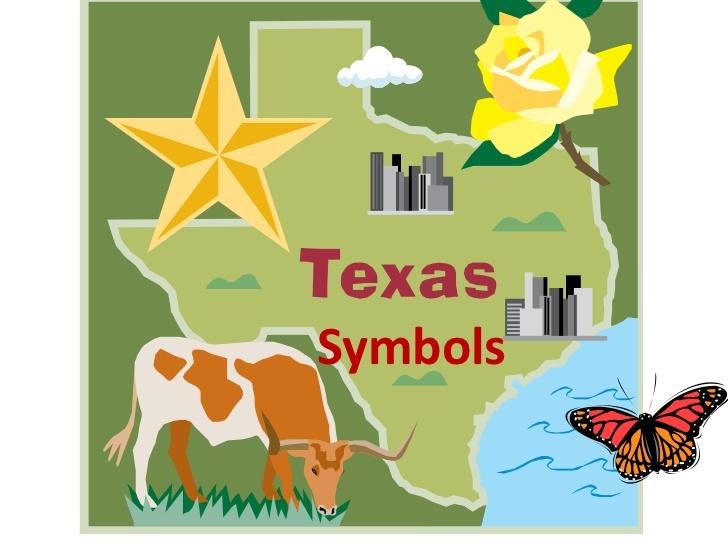
The lone star represents Texas’s independence and its unique status as a former republic. The widely recognized lone star is prominently featured on the Texas flag, but its significance extends far beyond that. The symbol has deep roots in Texas history, appearing in various forms since the early 19th century. It is viewed as a badge of honor for many Texans, reflecting the state’s ethos of strength and independence.
The single star is often associated with the Texas Revolution, a pivotal moment that defined the state’s trajectory. It serves as a reminder of the fight for sovereignty against tyranny, embodying the resolve of those who fought for Texas’s freedom. Texans celebrate the lone star not only during national holidays but also in everyday life, where it is integrated into art, clothing, and community branding, enriching the state’s cultural tapestry.
Beyond its historical implications, the lone star also symbolizes unity among Texans from diverse backgrounds. While independence is celebrated, the star serves as a rallying point that promotes solidarity and community among residents, reinforcing the idea that while Texas is diverse, it is united under shared values and pride.
Current Representations of the Lone Star
As Texas evolves, so too does the representation of the lone star. From murals in urban settings to icons in rural towns, the lone star form has become a contemporary design motif, appearing on everything from architecture to fashion. Texas artists often draw inspiration from this enduring symbol, creating works that reflect the blend of history and modernity.
Contemporary celebrations of the lone star also touch on its meaning in today’s society. Many events highlight the state’s diversity and inclusivity, framing the lone star as a symbol of both individualism and community. Workshops, festivals, and social media campaigns continue to educate Texans and visitors alike about the deep-rooted significance of this symbol, ensuring that it remains a relevant part of the state’s identity.
The Texas Longhorn: An Icon of Strength and Heritage
The Texas Longhorn is more than just an animal; it is a cultural icon representing the spirit of Texas ranching and the tenacity of its people. A breed known for its distinctive curved horns, the Longhorn embodies the ranching heritage that defines much of Texas’s economic and social landscape. Officially designated as the state animal in 1995, the Texas Longhorn symbolizes strength, endurance, and resilience.
Originally bred in the early 1800s, the Texas Longhorn played a crucial role in the cattle drives that shaped the state’s economy. These cattle were vital for the meat industry, and their ability to thrive in harsh conditions made them a staple for ranchers. The Longhorn’s survival story parallels that of Texan settlers, who similarly faced challenges and emerged stronger through determination and grit.
Today, the Texas Longhorn is celebrated at numerous ranch shows, rodeos, and agricultural fairs throughout the state. Events like the Houston Livestock Show and Rodeo allow enthusiasts to gather and celebrate this unique breed while showcasing the agricultural practices that continue to define Texas. The Longhorn has thus bridged the gap between the past and present, reminding Texans of their roots while encouraging appreciation for the ranching lifestyle.
The Longhorn Beyond the Ranch
The Texas Longhorn has transcended its agricultural origins and become a symbol of Texan pride. The breed is depicted in art, logos, and merchandise, allowing people to carry a piece of Texas heritage with them wherever they go. This animal represents not just ranching but also the entrepreneurial spirit that has driven Texans to innovate and thrive in various industries.
Furthermore, the Texas Longhorn has served as a promotional tool for tourism in the state. By featuring this iconic animal in marketing campaigns, Texas promotes its rich cowboy heritage, attracting visitors eager to experience activities such as cattle drives and rodeo competitions. This symbiotic relationship between agriculture and tourism highlights the Longhorn’s importance beyond its economic significance, emphasizing its role in shaping Texas’s identity on a broader scale.
Preserving Knowledge of State Symbols
Understanding and appreciating Texas’s state symbols involves ongoing education and preservation efforts. Schools, museums, and community organizations play significant roles in imparting knowledge about these symbols and their importance in Texas culture. By integrating these topics into educational curricula, students learn to appreciate their heritage, fostering a sense of pride that perpetuates future generations’ connections to their state’s history.
Moreover, local organizations often organize events and festivals, celebrating the rich tapestry of Texas culture. These gatherings provide platforms for crafts, storytelling, and music, allowing communities to come together to honor their state symbols. Engaging activities encourage participation from audiences of all ages, ensuring that the stories behind symbols like the Lone Star and the bluebonnet are passed down through generations.
The rise of digital platforms also aids in preserving knowledge of Texas’s state symbols. Online resources, social media campaigns, and educational websites create spaces for engagement, offering insights into the historical and contemporary significance of Texas emblematic representations. Initiatives to archive and catalog information about these symbols promote awareness and appreciation far beyond the borders of the Lone Star State.
Embracing Texas Identity Through Symbols
As Texas continues to evolve through the 21st century, its state symbols remain a steadfast representation of identity and pride. From the resounding call of the Lone Star to the vibrant blooms of the bluebonnet, these symbols provide a foundation for community connection and cultural legacy. For Texans, these emblems are more than just icons; they encapsulate a lifestyle defined by independence, strength, beauty, and resilience.
The story behind Texas state symbols is a compelling narrative that continues to resonate with both residents and visitors. As long as proud Texans wave their flags and celebrate their heritage, the heart and spirit of Texas will remain vibrant and inspiring, an enduring legacy for generations to come.