







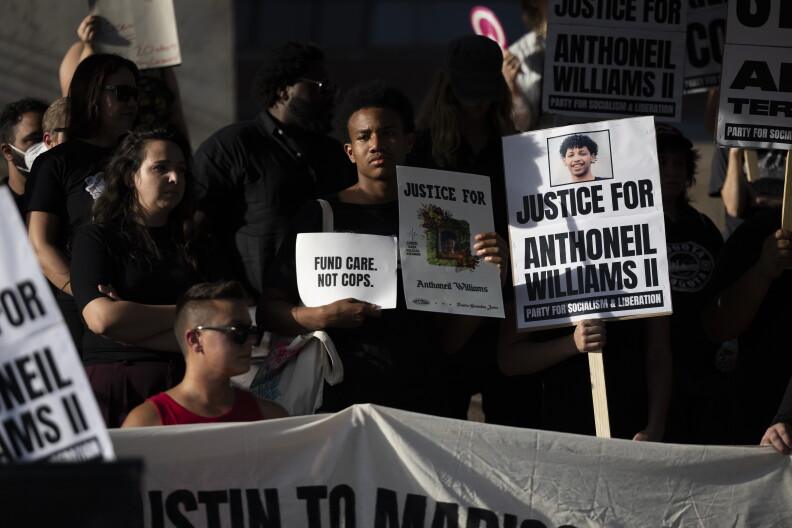
The tragic shooting of 17-year-old Anthoneil Williams II in July has ignited calls for enhanced training and improved communication between the Austin Police Department (APD) and 911 call operators. Following the incident, APD Chief Lisa Davis described the shooting as a probable case of “suicide by police,” prompting widespread protests in Austin. Community members expressed outrage over the use of force and urged the police to adopt better strategies when dealing with mental health crises.
The APD is currently investigating the shooting while simultaneously working to enhance its training protocols and communication strategies to effectively manage calls that may involve mental health emergencies, with the goal of preventing similar incidents in the future.
Call and Response
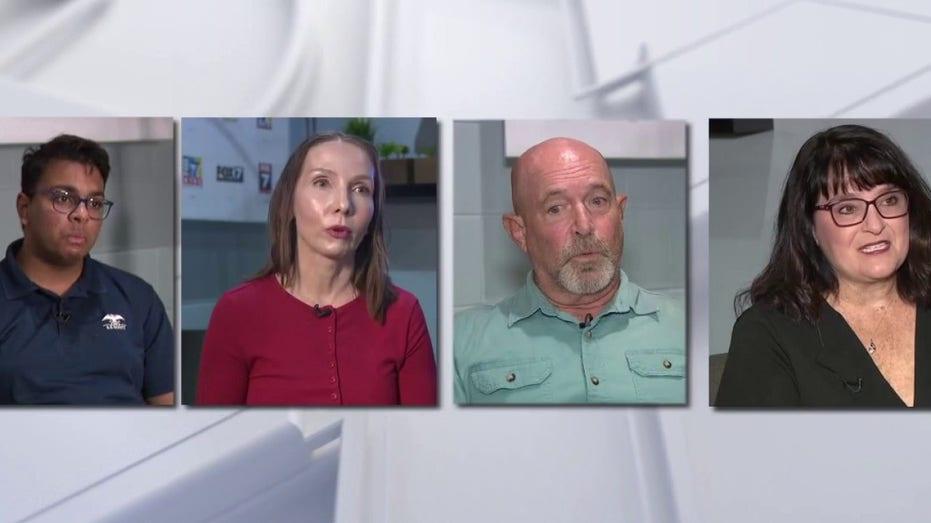
The events leading to the shooting began with a 911 call, which APD stated was made by Williams, reporting a suspect armed with a gun in a park. Chuck Wexler, the Executive Director of the Police Executive Research Forum (PERF), emphasized the significance of the initial 911 call in shaping officer responses. He noted that the information provided during the call is critical in determining how officers will approach the situation. Wexler has contributed to developing training standards for handling “suicide-by-cop” scenarios.
“Our training aims to prevent such tragedies by ensuring dispatchers ask the right questions to assess the situation for potential suicidal intentions,” Wexler explained.
Former police officer and criminologist Seth Stoughton, who has previously testified in police-related trials, highlighted that the dispatcher asked Williams whether the suspect was “brandishing” a weapon—a term that can be ambiguous. He pointed out that many people might not fully understand what “brandishing” entails or may interpret it differently than law enforcement professionals.
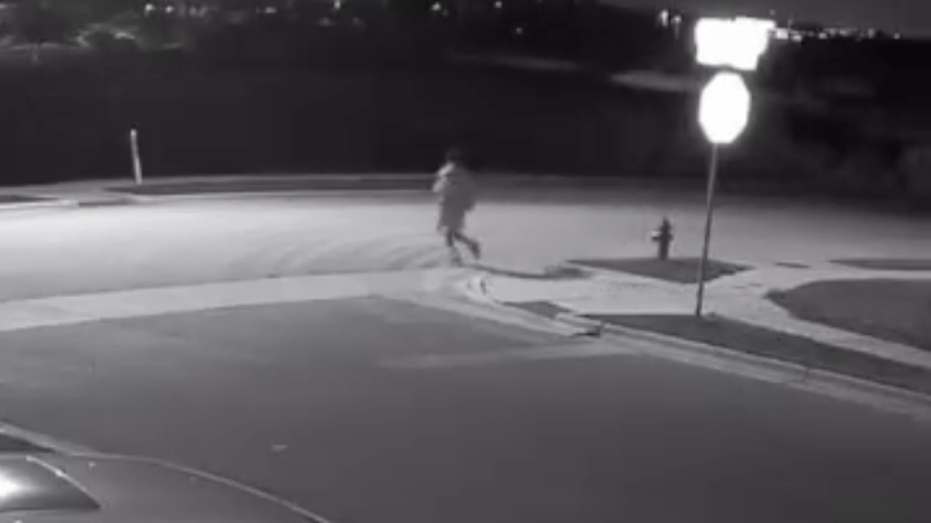
Unfortunately, Williams’ call was not categorized as a mental health-related incident, leaving responding officers unaware that he was unarmed. Footage released post-incident shows three officers approaching Williams, who reaches towards his waistband, prompting them to open fire. Ultimately, Williams was only holding a water bottle.
While Stoughton refrained from commenting on the legality of the officers’ actions, he indicated that the terminology used in dispatch could have heightened their anxiety. This phenomenon, known as “dispatch priming,” refers to how the information relayed to officers influences their reactions. While essential for ensuring officer safety, inaccurate or incomplete information can lead to tragic consequences.
“I would expect a dispatcher to pose broader questions rather than using terminology that might not be universally understood,” Stoughton remarked.
Wexler refrained from discussing the specifics of the Williams shooting but acknowledged the unpredictable nature of such incidents. He noted that understanding whether an event is planned or spontaneous often only becomes clear in hindsight.
Looking Ahead
APD Assistant Chief Angie Jones expressed the department’s heartbreak over the incident and its commitment to learning from it. The officers involved have been placed on administrative leave as the department examines the response and identifies lessons for future interactions.
Jones pointed out that the transition to a civilian-managed 911 call center offers a valuable opportunity to enhance the performance of call takers. She explained that while the APD currently conducts quality assurance reviews on an irregular basis, a civilian-managed model will enable more systematic oversight, ultimately improving call routing and response times.
“This new supervisory role will lead to significant improvements in how we manage calls and dispatch,” Jones said.
In terms of officer training, Jones confirmed that APD has been implementing PERF’s guidelines for preventing “suicide-by-cop” situations. Cadets at the Austin Police Training Academy engage in simulations related to mental health crises and practice de-escalation techniques. The department is also expanding training in active listening and crisis intervention for all officers.
“We aim to approach these situations with care, building trust and rapport before attempting to change behavior,” Jones stated.
Additionally, Jones mentioned that drones could play a pivotal role in reducing officer-involved fatalities in the future. While currently utilized in specialized units, the APD is considering deploying drones in patrol units as well. An internal memo described drones as “the future of policing” and suggested that they could be a valuable investment for the department.
“Having a drone’s perspective on a scene would allow operators to relay information to nearby officers, providing a clearer understanding of the situation,” Jones explained. “We are actively exploring these technological advancements.” She also noted that utilizing drones as first responders could help alleviate some of the burdens faced by the understaffed department.