









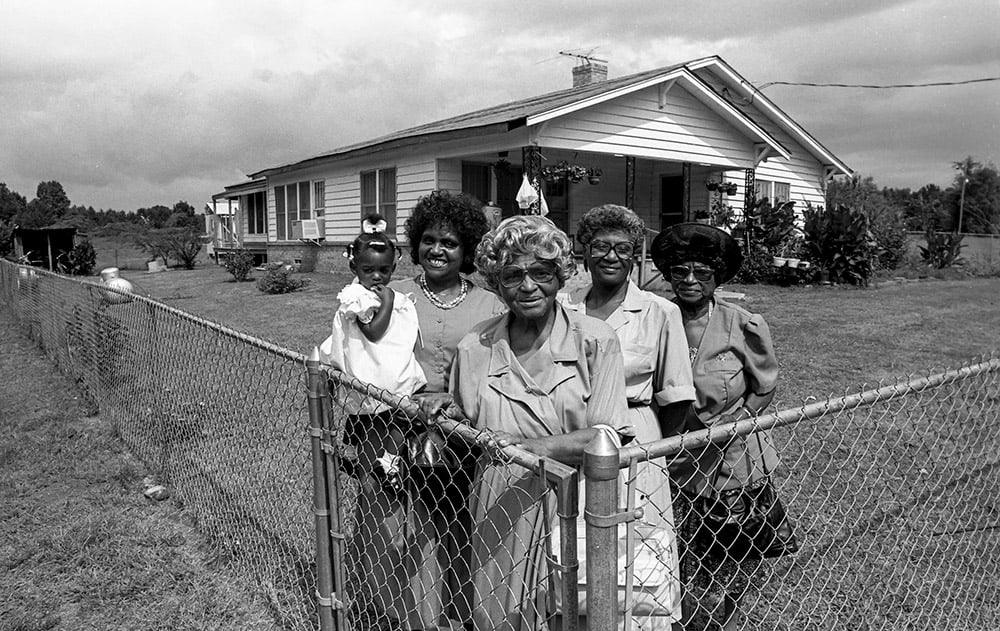
The Legacy of African American Communities in Texas
The rich tapestry of Texas is woven with the stories of countless cultures, but none have left a mark as profound as the African American communities that have thrived in the Lone Star State. From the early days of slavery through the Civil Rights Movement and into the present, African Americans in Texas have played an essential role in shaping the cultural, economic, and political landscape of the state. Their legacy is not just a story of struggle and survival; it is a narrative filled with resilience, creativity, and an unyielding commitment to progress.
As we explore the legacy of African American communities in Texas, it is important to recognize the historical context that has influenced their journey. Understanding this history sheds light on the significant contributions these communities have made to not only Texas but to the national culture at large. The indelible impact of African Americans in Texas can be seen across various sectors, including agriculture, the arts, politics, and education. Their endurance in the face of adversity and their determination to create a better future continue to inspire generations.
The Historical Roots of African American Communities in Texas
From Slavery to Freedom
The storyline of African Americans in Texas begins with the tragic chapter of slavery. Before Texas became a state in 1845, the institution of slavery was deeply rooted in its economy, especially in the agricultural sectors of cotton and cattle ranching. Enslaved African Americans were brought to Texas by European settlers, and they were instrumental in building the economic foundations of the state. Records indicate that by the time of the Civil War, enslaved people made up a significant portion of the Texas population.
Following the Civil War and the Emancipation Proclamation of 1863, African Americans claimed their freedom, but the journey to true emancipation was fraught with challenges. While many African Americans established their own communities, festivals, and churches, discriminatory laws and practices, such as the Black Codes, sought to reinstate many forms of oppression. The struggle for equality and freedom did not end with emancipation; it merely evolved.
In the aftermath of slavery, the construction of **freedom colonies** emerged as beacons of hope and self-sufficiency. These enclaves provided places for African Americans to develop their societies, create schools, and foster economic independence. Communities like Allen Chapel in East Texas and the historic Freedmen’s Town in Houston exemplify the enduring spirit and resourcefulness of African American Texans. These settlements represented not just a physical space but also a cultural foundation where heritage could be celebrated and passed down through generations.
The Civil Rights Movement in Texas
The Civil Rights Movement of the 1960s was a pivotal moment in American history, and Texas played a significant role in this transformative era. African American communities across the state mobilized to challenge segregated facilities, discriminatory laws, and systemic injustices that remained entrenched in society. Iconic leaders such as Martin Luther King Jr. and local activists rallied Texan citizens, organizing protests, sit-ins, and marches aimed at securing civil rights.
In cities like Dallas, Houston, and San Antonio, African Americans began to form alliances with other minority groups, amplifying their voices and strengthening demands for equal treatment. The demonstration at the Dallas City Hall in 1963, organized by the Texas chapter of the NAACP, was one of the many efforts that drew national attention to the cause. Grassroots organizers, including many women leaders, played crucial roles in advocating for change, often working tirelessly behind the scenes.
By the mid-1960s, the Civil Rights Act of 1964 and the Voting Rights Act of 1965 marked significant victories in the fight against systemic racism and disenfranchisement. However, even as legislation changed, social dynamics remained problematic. African Americans in Texas continued to face challenges related to housing, education, and employment, necessitating ongoing activism and resistance.
The Cultural Contributions of African American Texans
Art, Music, and Literature
The cultural contributions of African American communities in Texas are perhaps best exemplified through their rich artistic traditions. From the soulful rhythms of jazz and blues to the passion of gospel music, these art forms have enriched the musical landscape of America. The Texas blues, birthed in the early 20th century, drew influence from African American work songs, spirituals, and folk traditions. Iconic artists such as B.B. King and Lightnin’ Hopkins left an enduring legacy, captivating audiences worldwide with their distinct sounds.
Visual arts also flourished as African American artists harnessed their experiences to create powerful narratives. The Houston-based artist John Biggers gained recognition for his murals that depicted African American life, connecting community history to broader societal themes. Additionally, the Art of the African Diaspora movement has gained momentum, showcasing diverse talents at institutions like the Blanton Museum of Art in Austin, where African American artists present contemporary works and traditional forms.
Literature, too, has seen an outpouring of creativity from African American writers in Texas. Authors such as J. California Cooper and James R. McCune Smith have explored themes of identity, race, and resilience through poetry, novels, and essays. Their writings reflect the complexities of the African American experience, contributing to a broader understanding of American literature. Events such as the Texas Book Festival not only celebrate these works but also highlight the importance of diverse voices in storytelling.
Education and Advocacy
Education has been a cornerstone of progress within African American communities in Texas. Following emancipation, the establishment of schools served as vital institutions for teaching literacy and critical thinking. Organizations such as the Freedmen’s Bureau worked to provide educational resources, though challenges such as funding and segregation persisted.
In the late 19th and early 20th centuries, African Americans advocated for better educational opportunities, leading to the creation of schools that catered specifically to their communities. One notable achievement was the founding of Prairie View A&M University in 1876, which emerged as a pivotal institution for higher education. It became a training ground for many future leaders, educators, and professionals who would go on to effect change within their communities and beyond.
The push for equitable education has continued into contemporary times. Grassroots organizations and community groups focused on education reform highlight the importance of addressing systemic inequalities. Community-led initiatives, such as after-school tutoring programs and mentorship opportunities, have emerged to support students facing academic challenges, demonstrating an undeniable commitment to empowerment through education.
The Economic Impact of African American Communities
Entrepreneurship and Economic Development
Throughout history, African American communities in Texas have exhibited a strong entrepreneurial spirit. Despite facing barriers and systemic inequalities, many individuals established businesses and formed networks that contributed significantly to local economies. The development of Black-owned businesses, particularly during the early to mid-20th century, led to the creation of cultural hubs within predominantly African American neighborhoods.
From grocery stores to beauty salons and restaurants, these businesses not only provided essential goods and services but also created jobs and fostered community pride. The establishment of influential organizations such as the North Dallas Business and Professional Women’s Club and the Texas Black Chamber of Commerce has further bolstered economic opportunities for African Americans, advocating for equitable policies and resources.
In recent years, economic empowerment initiatives have gained traction, encouraging African Americans to invest in their neighborhoods and pursue entrepreneurship. Programs aimed at providing financial literacy training, access to capital, and mentorship have emerged, reflecting a growing commitment to building sustainable economic ecosystems. As community leaders work to address systemic barriers, their efforts underscore a vibrant legacy of resilience and innovation.
Political Activism and Public Service
Political engagement has always been a critical aspect of African American legacy in Texas, with many individuals taking bold stands for justice and equal rights. The post-Civil Rights era saw increased participation in local and state politics, culminating in significant milestones, such as the election of the first African American mayor, Ron Kirk, in Dallas in 1995 and the appointment of Shirley A. Franklin as Atlanta’s first female African American mayor.
These successes reflect the ongoing struggle for representation and equity. The vital contributions of contemporary political leaders continue to shape local and national policies, particularly in areas impacting education, healthcare, and economic development. Active members of local governmental bodies, such as city councils and school boards, ensure that the voices of African American communities are heard and prioritized.
Community organizing remains at the heart of political activism, with grassroots efforts addressing pressing issues such as voter suppression, immigration rights, and police reform. Organizations like the Texas Civil Rights Project and the NAACP work diligently to mobilize citizens, pushing against systemic injustices and advocating for equal rights for all Texas residents.
Modern Challenges and Future Directions
Addressing Systemic Inequities
Despite the remarkable progress that has been made by African American communities in Texas, significant challenges remain. Systemic inequalities persist in areas such as healthcare, employment, and housing. The impact of historical marginalization is evident in the ongoing disparities that disproportionately affect African Americans. Issues such as access to quality healthcare, educational resources, and economic opportunities continue to necessitate concerted efforts toward equity.
Local organizations advocate for comprehensive policy changes to ensure that social justice extends to every aspect of life. By focusing on collaboration and unity, these groups strive to dismantle barriers while fostering dialogue that recognizes the intersections of race, class, and gender. Such initiatives highlight the need for advocacy rooted in community engagement and grassroots activism.
Building a Legacy for Future Generations
As African American communities in Texas navigate contemporary challenges, a strong focus on legacy-building resonates. Mentorship programs, cultural preservation initiatives, and educational resources are essential tools in ensuring that future generations understand their heritage and empowerment. Celebrating African American history through festivals, museums, and community events helps instill pride and awareness of the contributions made by previous generations.
Moreover, the importance of representation in various fields, particularly in politics, economics, and the arts, cannot be overstated. Encouraging young leaders to embrace activism while equipping them with the tools and connections necessary for success will pave the way for a more equitable future. African American communities in Texas are poised to continue their legacy of resilience, creativity, and advocacy, enriching not only their neighborhoods but also the broader narrative of the American experience.
The legacy of African American communities in Texas is a complex and multifaceted story, woven with history, culture, struggle, and triumph. It is a powerful testament to the strength of a community that has overcome adversity, uplifted its members, and contributed immeasurably to the identity of Texas itself. Acknowledging this legacy is not merely an act of remembrance but a call to action—an opportunity for all Texans to recognize the past while striving for a future defined by equality, justice, and collective growth.