









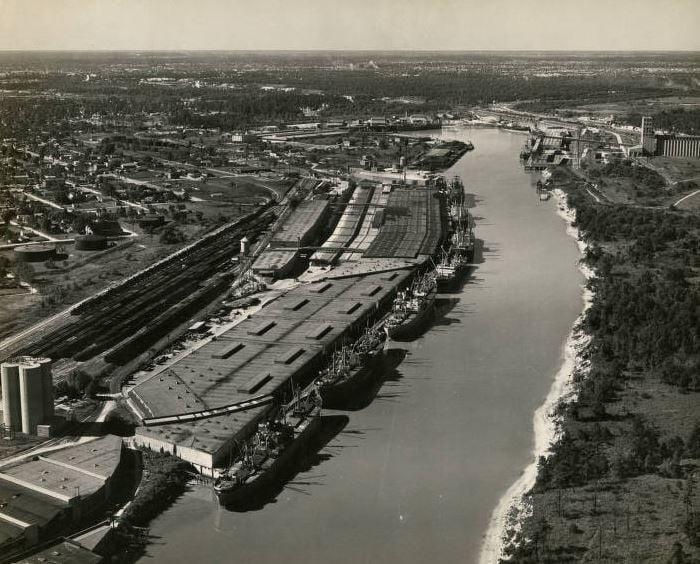
The History of Houston’s Port
Houston, Texas, has long been a key player in the American shipping and trade industries, with its port acting as a crucial hub for commerce and transportation. The story of Houston’s port is one of vision, ambition, and transformation, beginning with its humble origins and evolving into one of the largest ports in the United States. Over the centuries, the port has adapted to the changing needs of trade and industry, becoming vital not just to the local economy, but also to the global marketplace.
From its inception, the port was strategically positioned to benefit from both the natural topography and the burgeoning industrial movement in the late 19th century. As it developed, numerous factors influenced its growth, including advancements in shipping technology, changes in foreign trade policies, and the construction of critical infrastructure. This article delves into the multifaceted history of Houston’s port, examining how it has grown and evolved to become a central artery for transcontinental trade.
The Early Beginnings
The roots of Houston’s port can be traced back to the early 19th century, when the city was founded in 1836 by brothers John and Augustus Allen. Located near the confluence of Buffalo Bayou and the San Jacinto River, the city was strategically positioned to facilitate trade and transportation. The initial appeal of this location was its potential as a shipping hub for cotton and other agricultural products, which were the lifeblood of the Texas economy at that time.
In 1837, Houston was declared the capital of the Republic of Texas, lending it further significance as a center for trade. However, it was not until the arrival of the Galveston, Harrisburg, and San Antonio Railway in 1860 that Houston truly began to establish its port infrastructure. This railway connected the port to the interior of Texas, allowing for the efficient movement of goods and people. The combination of waterway and railway made Houston an ideal access point for trade with other regions.
The late 19th century marked a period of rapid growth for the port, particularly after the city began to attract businesses that relied heavily on shipping. Key industries such as cotton gin manufacturing, textiles, and oil began to flourish, all relying on the port for exportation. However, it wasn’t just local commerce that buoyed the port’s growth; regional events such as the Civil War and Reconstruction had profound impacts, leading to shifts in trade dynamics as cities adapted to their changing political and economic landscapes.
The Rise in Industrialization
As industrialization swept across the United States in the late 19th and early 20th centuries, Houston’s port evolved alongside it. The Texas oil boom, which began in the early 1900s, played a pivotal role in shaping the port’s trajectory. The discovery of oil at Spindletop in 1901 ushered in a new era of wealth and shipping demand, as oil became a vital resource for both domestic and international markets.
To accommodate the growing needs of the oil industry, extensive improvements were made to the port and its facilities. By 1914, the Houston Ship Channel was completed, providing a direct maritime route from the Gulf of Mexico to the heart of Houston. This engineering marvel dramatically increased the port’s capacity and enabled larger vessels to navigate safely. The construction of the ship channel helped to solidify Houston’s role as a major shipping center, serving not only oil exports but also imports of machinery, cement, and other materials necessary for industrial growth.
The soaring demand for shipping during World War I further propelled the port’s expansion. Ships laden with supplies departed from Houston to support American and Allied troops overseas. As a result, the port became integral to the war effort, ultimately leading to its designation as a strategic military port. After the war, the port continued to thrive, as the demand for oil and industrial goods only increased, further entrenching Houston’s position in the global economy.
Mid-Century Developments and Economic Shifts
The post-World War II era marked a significant turning point for Houston’s port. The rise of containerization in the 1960s revolutionized shipping, allowing goods to be transported more efficiently. The expansion of the port facilities to accommodate container ships was necessary to keep pace with the changing landscape of global trade. This era also saw the introduction of integrated transportation networks, combining road, rail, and sea transport systems.
By the 1970s, Houston had become a leading port for containerized cargo in the United States. A major factor in this growth was the increasing reliance on oil imports, triggered by the energy crisis of the 1970s. The Houston Ship Channel expanded significantly to handle the influx of energetic materials and goods. The port’s growing importance was recognized at the federal level, leading to investments in infrastructure and technological advancements that facilitated even greater shipping capacity and efficiency.
During this time, the port also underwent significant social and environmental changes, prompted by growing public concern over pollution and the impact of shipping on local communities. Environmental regulations were instituted to address these challenges, balancing the port’s economic significance with the well-being of the surrounding areas. Efforts to modernize operations included sustainable practices aimed at reducing the environmental footprint of shipping activities.
The Modern Era: Innovation and Globalization
The new millennium has brought a wave of innovation that transformed Houston’s port into a global powerhouse in terms of trade and logistics. The integration of advanced technology has increased operational efficiency, with automated systems and real-time data helping streamline processes from loading to unloading. Houston’s port stands as a model of modernization, incorporating innovations that improve the flow of goods while reducing waiting times for vessels in transit.
Moreover, Houston’s port has become a central player in the evolving realm of global trade agreements. The rise of China and the Asia-Pacific region as manufacturing powerhouses has allowed the port to strengthen its trade relationships with these countries. As tariffs and agreements change, Houston has adapted by diversifying its trade routes and establishing new partnerships, demonstrating its agility in the face of global economic shifts.
In addition to traditional cargo, the port has also seen a rise in the shipment of technology and information goods, reflecting broader trends in modernization and globalization. The focus on energy transition and renewable resources has led to a new wave of investments in cleaner technologies, with premature oil dependency giving way to a more vibrant portfolio of ecological initiatives that drive both sustainability and business growth.
Impact on Local Communities
The port of Houston has significantly impacted local communities, contributing to the city’s economic vitality through job creation and infrastructure development. The port is a major employer in the region, with thousands of residents relying on its operations for their livelihoods. This has fostered not only economic prosperity but also cultural diversity in the surrounding areas, as people from various backgrounds unite to support the port’s operation.
However, the growth and expansion of the port have also raised important questions about social equity, environmental justice, and community health. Residents living near the port have frequently expressed concerns over pollution, noise, and traffic congestion that stem from increased shipping activity. Advocacy groups have emerged to voice these concerns, working alongside local government and port authorities to ensure that growth does not come at the expense of public health and environmental quality.
Efforts are underway to enhance community engagement and ensure that local interests are represented in port operations. Initiatives aimed at promoting transparency and collaboration between port authorities and community stakeholders are becoming more prominent. Also, potential job training programs aimed at equipping locals with the necessary skills to work in evolving industries further emphasize the importance of ensuring community benefits alongside port expansion.
The Future of Houston’s Port
Looking towards the future, Houston’s port is poised for continued growth as it navigates both opportunities and challenges in an ever-evolving global economy. As trade dynamics shift and new technologies emerge, the port remains committed to embracing innovation and modernization while balancing the needs of the environment and local communities.
Moreover, the increasing focus on sustainable shipping practices presents an opportunity for Houston to lead the way in setting the standard for eco-friendly logistics operations. As the world grapples with climate change, the port’s adaptation to sustainable practices will be essential for its long-term viability and public acceptance.
Investment in technology, infrastructure, and community relations will define the next chapter in the history of Houston’s port. As cargo vessels grow larger and trade becomes more complex, the port stands ready to adapt, aiming to maintain its competitive edge as a crucial hub in both domestic and global trade networks.
Just as it has throughout its storied history, Houston’s port will likely continue to evolve, shaping the commerce and economy of Texas and the nation for years to come.