







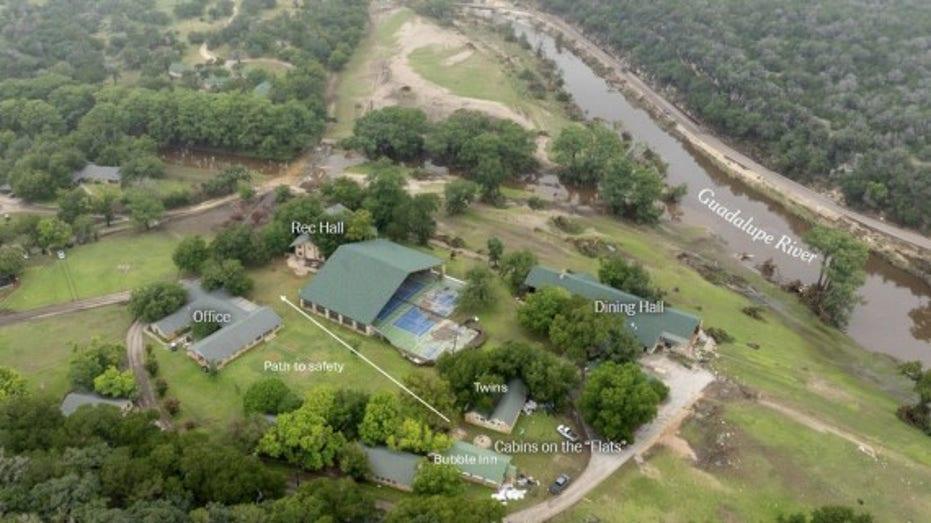
Summer camps across Texas are facing the threat of closure as they struggle to comply with stringent new safety regulations and costly infrastructure mandates ahead of the upcoming season. After the revocation of Camp Mystic’s license renewal, the situation has raised alarms among camp operators, many of whom are concerned about whether they will receive the necessary licenses in time to open.
State Representative Wes Virdell has called for a special legislative session, asserting that the new laws impose “unsustainable” financial burdens and unrealistic timelines, particularly affecting rural and non-profit camps. The uncertainty surrounding hundreds of operating licenses has been exacerbated by a wave of initial denials, with only a limited number of camps currently cleared to begin operations.
Legislative Action Requested
In a recent Facebook post, Virdell announced his request to Governor Abbott to convene a special session aimed at addressing the ramifications of Senate Bills 1 and 5, as well as House Bill 5. These bills, enacted shortly after devastating floods impacted the Hill Country, introduced new safety protocols for youth camps, including the requirement for comprehensive emergency plans and enhanced safety training for staff.
Despite the intention behind these regulations, Virdell contends that they are inadvertently hindering camp operations. He highlighted several issues, including vague language in the statutes, impractical implementation timelines, and financial challenges that threaten the viability of small, faith-based, and non-profit camps.
Impact on Camp Operations
Eddie Walker, executive director of Mt. Lebanon in Cedar Hills, one of Texas’ largest church camps, expressed grave concerns. He noted the potential impact on “tens of thousands, if not hundreds of thousands of children and families” if these camps are forced to close. Walker emphasized that, while the new laws were created with good intentions, there should have been a collaborative dialogue involving camp operators to ensure the feasibility of the changes.
Among the most pressing challenges is the requirement for end-to-end fiber optic internet, which Walker claims poses a significant financial hurdle for smaller and rural camps. He pointed out that installation costs could reach between $1.5 to $2 million, threatening the existence of long-standing and safe camps.
Efforts to Meet Compliance
As the summer season approaches, camp operators are working diligently to meet the state’s stringent requirements. Recent data indicates that many camps have had their operating licenses denied due to deficiencies in their emergency plans. However, Walker argues that some of the state’s recommendations were incorrect and did not enhance safety as intended.
As camps continue to resubmit their license applications, progress has been made, with nine active youth camps now holding licenses valid through 2027. Looking ahead, Walker warns that a review of safety regulations will be crucial for the survival of many Texas summer camps, emphasizing the need for political courage to address these issues without compromising camper safety.
With the deadline for parents to enroll their children in camps approaching, the upcoming season is seen as a critical moment for the industry. Walker underscored the importance of providing a safe and enjoyable camp experience to rebuild trust among families.
As of now, efforts to contact Governor Abbott’s office regarding Virdell’s request for a special session have not yielded a response.