








The Austin City Council convened recently to deliberate on the proposed development of an area known as “Dog’s Head,” located in East Austin. While city officials assert that the project presents significant economic opportunities, a considerable number of local residents express strong opposition, claiming the initiative primarily benefits developers rather than the community.
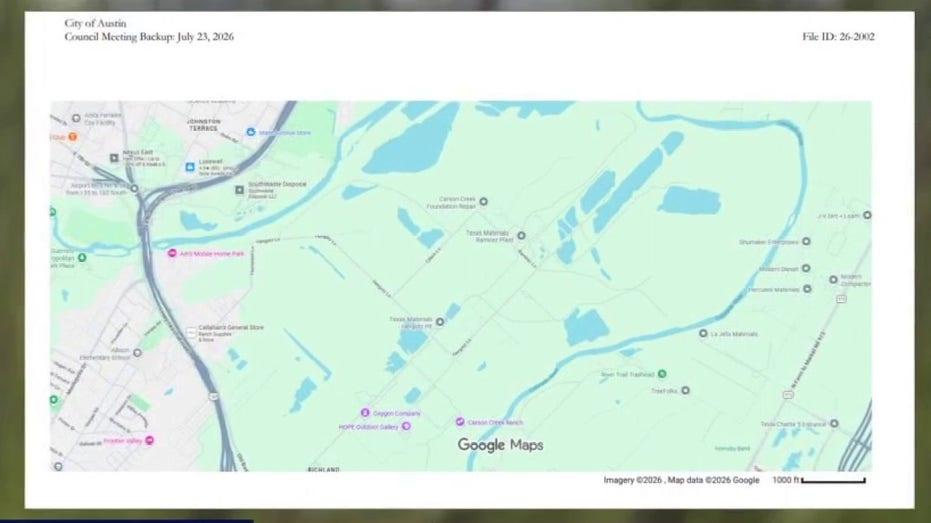
Dog’s Head encompasses approximately 2,645 acres bordered by the Colorado River, U.S. Highway 183, and State Highway 130, taking on a distinctive shape reminiscent of a dog’s head. This site, previously used for sand and gravel mining, was annexed by the city in May.
During the council meeting, members examined the possibility of establishing a tax increment reinvestment zone (TIRZ). This arrangement would allow for a portion of the increased property taxes generated by rising property values to be allocated towards infrastructure development in the area. Additionally, it was announced that Amazon would be one of the tenants in this new development.
Opponents of the project gathered outside City Hall early on Thursday to voice their concerns. Many are apprehensive about the potential environmental consequences, the risk of displacement, and the prospect of substantial benefits accruing to large corporations. They have also criticized the city for insufficient communication regarding the development process.
“Our city government has failed us by not providing guidance or information on how to navigate these processes,” lamented Garrett Tung, a local resident. “We cannot simply prioritize development for its own sake. We chose to make this area our home for a reason.”
Susana Almanza, executive director of PODER, echoed these sentiments during the protest, questioning whether city officials would prioritize the needs of the community and the environment over those of developers.
The city maintains that the Dog’s Head development will enhance the local economy, featuring a mixed-use space for both housing and businesses. Richard Suttle, a representative from Endeavor, provided insight during the public comments portion of the meeting, stating that the company would assume the risk of developing the infrastructure and would only seek reimbursement if property values increased sufficiently to justify it.
Local residents continue to push back against the development. Tung emphasized that they are prepared to consult legal counsel should the city attempt to use eminent domain to seize their homes. “Regardless of whether this project moves forward, it is crucial for city officials to recognize that residents of Austin are opposed to environmental degradation and the funneling of $1.2 billion to wealthy developers,” he asserted.