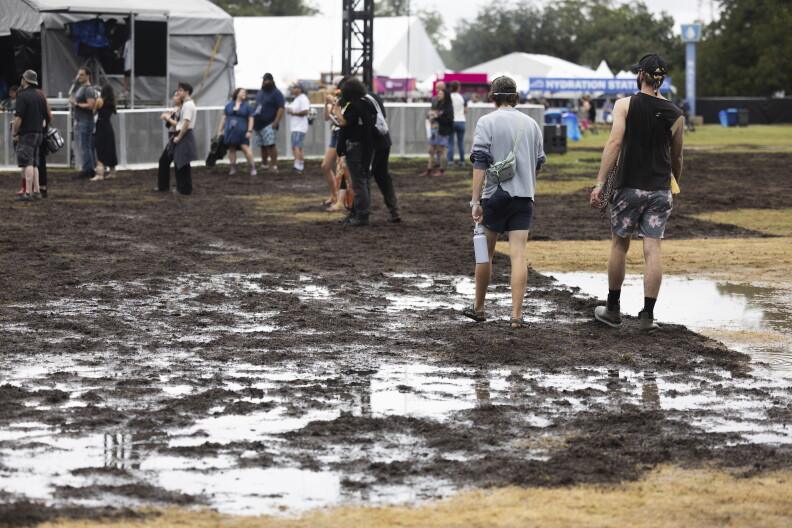









A series of heavy rainfalls across Central Texas this week may provide a much-needed reprieve for the region’s aquifers, which have been alarmingly depleted. The influx of moisture is particularly beneficial for the Edwards Aquifer, a critical water source for many residents.
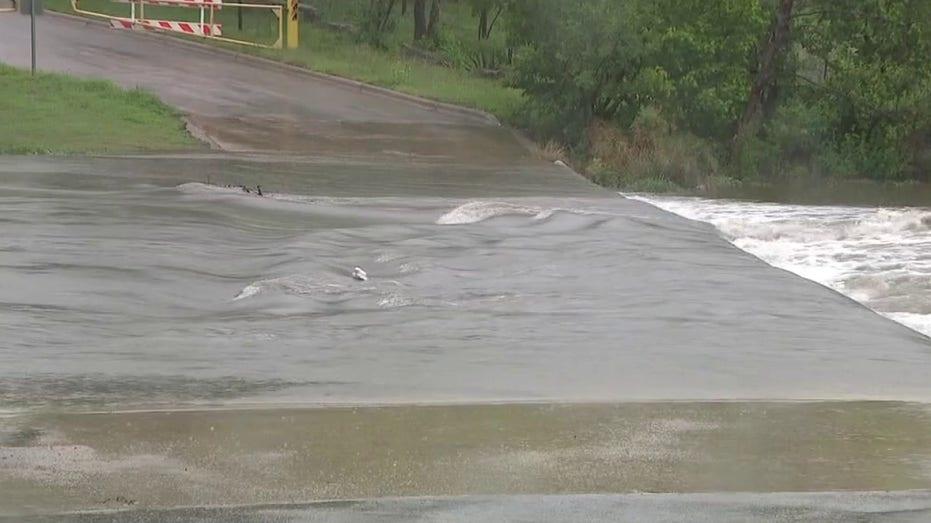
On Tuesday, the Austin area recorded over an inch of rainfall, while Georgetown experienced close to six inches, resulting in the San Gabriel River rising dramatically. This downpour was a welcome development for Shay Hlavaty, the communications and outreach manager at the Barton Springs Edwards Aquifer Conservation District.
Established by the state of Texas in 1987, the District manages portions of both the Edwards and Trinity Aquifers that extend from South Austin to southern San Marcos, serving approximately 100,000 residents.
“Groundwater is an essential water source, often overlooked,” Hlavaty remarked. However, in recent years, groundwater levels have been on a downward trend.
“Since January 2022, we’ve experienced a deficit of over a year’s worth of rainfall. Typically, the Austin area receives about 32 to 34 inches annually, so we’re facing a shortfall of more than 30 inches,” Hlavaty explained.
Since October, the District has been classified under a stage three exceptional drought, a situation determined by monitoring both spring flow at Barton Springs and groundwater levels at the Lovelady Monitor Well. A drop in either of these indicators could necessitate the declaration of a more severe drought stage.
Current data indicates that Barton Springs is not producing sufficient flow to meet the demands of the region’s growth. “Historically, the average flow since 1978 has been 60 cubic feet per second (CFS)—equivalent to 60 beach balls of water per second. Prior to this rainfall, we were down to around 12 CFS, which is less than a quarter of the average,” Hlavaty noted.
In addition to the aquifer concerns, Tuesday’s heavy rains resulted in flooding and evacuations in parts of Williamson County, where officials assisted 20 families in leaving campgrounds as water levels along the San Gabriel River rose dangerously.
The Lovelady Well currently stands at 453.8 feet above mean sea level, just five inches above the Stage 4 Emergency Response Threshold. Hlavaty cautioned, “This isn’t a temporary issue. Even if we manage to break this drought, another one is likely on the horizon.”
Despite the challenges, this week’s rain has provided a slight boost, helping to stave off a deeper drought situation. “While we remain at the stage three exceptional level, this rainfall will assist in keeping us out of stage four emergency conditions,” Hlavaty added. “It should help stabilize or even improve groundwater levels and spring flow.”
April’s total rainfall in the Austin area has reached 4.14 inches, exceeding the month’s typical average of 2.42 inches. However, sustaining this level of precipitation will be crucial for any hope of alleviating drought conditions. “We need consistent above-average rainfall for months, if not years, to truly overcome this drought,” Hlavaty emphasized.
As May approaches, which is historically the wettest month of the year, Hlavaty encourages residents to conserve water, particularly when it comes to lawn watering, which can consume significant amounts of drinking water. With Central Texas experiencing rapid population growth alongside unusually high temperatures in February and March, water conservation is more critical than ever.
“It’s important to remember that sporadic rainfalls won’t end the drought. Everyone must play their part in conserving our water resources,” Hlavaty concluded.