









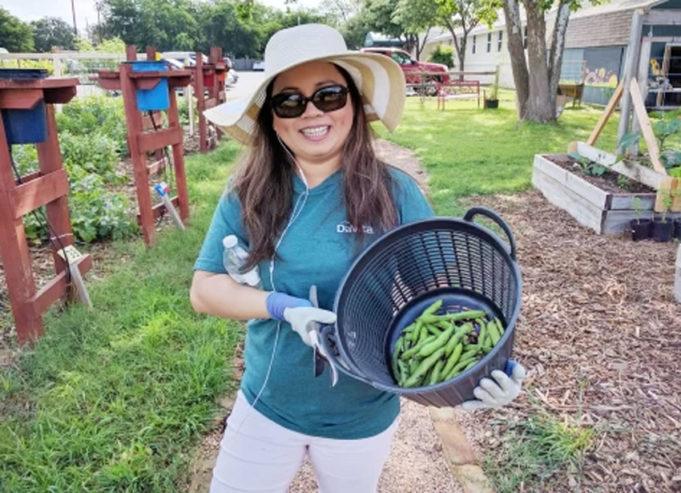
For those passionate about gardening, a community garden initiative offers an opportunity to cultivate food for neighbors in need. The Tarrant Area Food Bank (TAFB) has developed a Community Garden Program that empowers individuals and organizations to establish flourishing gardens. This initiative not only teaches effective gardening techniques but also supports the growth of nutritious fruits and vegetables for distribution to those facing food insecurity. Volunteers are welcomed weekly to assist with planting, harvesting, weeding, and acquiring new gardening skills.
Advantages of Community Gardens
The movement towards community gardening has historical roots, often emerging during times of economic hardship and national crises, like the “Victory Gardens” of World War I. Churches, neighborhoods, non-profits, and educational institutions today establish these gardens for various reasons. They enhance access to healthy local food for communities, provide educational resources to combat prevalent health issues such as obesity, foster community bonds, and improve the environment by transforming underutilized spaces into vibrant, purposeful gardens.
Enhancing Food Access
Community gardens are often established in areas where residents lack access to fresh produce within a one-mile radius. The USDA’s Food Access Research Atlas allows individuals to enter their ZIP code to examine local food availability, revealing neighborhoods with significant low-income populations that do not have supermarkets nearby. Unfortunately, Tarrant County is home to numerous food deserts.
For instance, using the ZIP code of the Fort Worth Weekly offices, a visualization map illustrates food access disparities. Green areas denote locations where low-income residents live more than one mile from fresh produce, while orange areas indicate distances greater than half a mile in urban settings. In rural areas, this distance can extend up to ten miles, making it difficult for residents to obtain healthy food without resorting to junk food from nearby convenience stores.
Providing Nutritious Options
By reducing transportation steps from harvest to consumption, locally grown produce tends to be more nutrient-rich than items shipped from distant locations. Community gardens ensure consistent access to high-quality produce in areas with limited options, offering neighbors affordable herbs and vegetables that cater to local preferences.
Tackling Health Issues
Research indicates that families engaged in community gardening consume healthier, more nutrient-dense diets compared to those who do not garden. Children often become more enthusiastic about eating what they’ve grown, and using herbs can serve as a healthy substitute for sugar and salt. Moreover, spending time outdoors has been shown to alleviate stress and enhance mental health, fostering resilience and a positive outlook while improving overall life satisfaction.
Gardening also provides light to moderate physical activity, contributing to significant improvements in overall health metrics such as cholesterol levels and blood pressure.
Fostering Community Connections
Community gardens facilitate connections among residents from diverse backgrounds, abilities, and socioeconomic statuses. They create opportunities for sharing resources and hosting events that engage a wide audience at minimal or no cost. This engagement helps to reduce feelings of isolation and promotes a stronger community spirit.
Transforming Spaces
Community gardens can revitalize vacant lots that might otherwise attract litter and criminal behavior. Managed by local gardeners, these spaces contribute to cleaner, more active neighborhoods at little or no expense to the city. They enhance the aesthetic appeal of the area, raise awareness of environmental appreciation, and provide safe outdoor venues for community interaction. Well-maintained gardens can even attract new businesses to the vicinity.
Environmental Benefits
Food in the U.S. typically travels an average of 1,300 miles from farm to table, consuming considerable fossil fuel in the process. Community gardening mitigates greenhouse gas emissions associated with food transportation, reduces landfill waste, and improves air quality and soil health. Additionally, these gardens attract essential pollinators, such as bees, which play a critical role in the ecosystem by supporting the production of various crops.
Initiating Your Own Community Garden
The Tarrant Area Food Bank envisions a world where everyone has access to food. To support this mission, TAFB provides resources to individuals interested in establishing community gardens. There are various models available, from backyard gardening to urban farming, to meet the unique needs of different communities.
For those looking to start a garden, TAFB offers detailed guidance on their website, including a self-paced training program covering garden planning, community building, and historical context. Once established, TAFB’s Community Garden Network provides vital support, including consultations, educational resources, and opportunities for collaboration. For further information, interested individuals can reach out via email at communitygarden@tafb.org.