







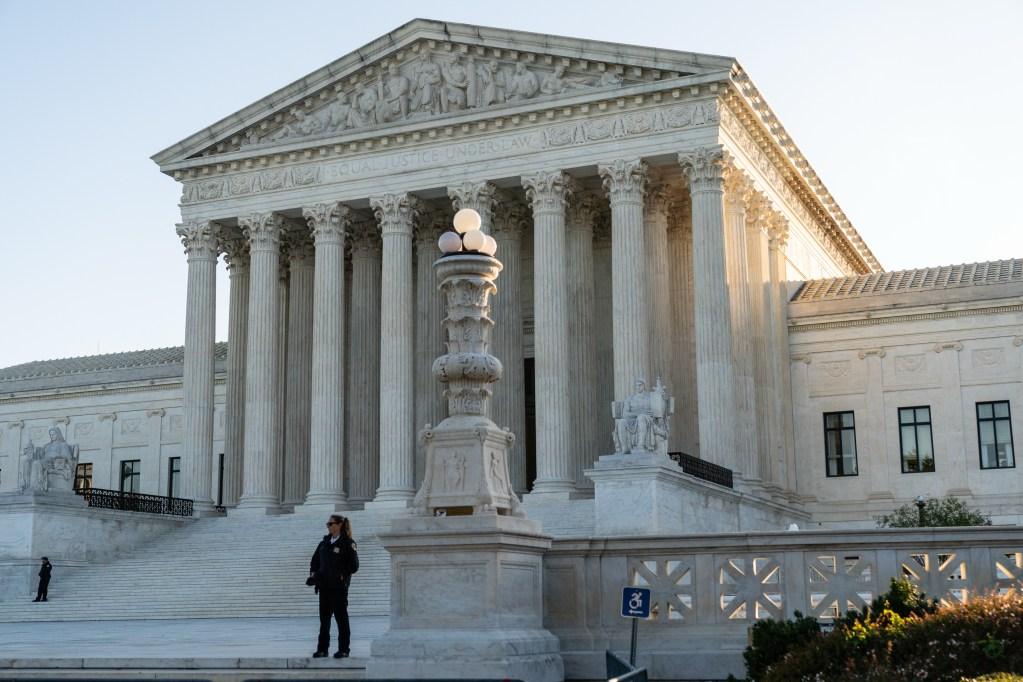
The U.S. Supreme Court delivered a significant blow to President Donald Trump’s trade policies on Friday by nullifying the majority of his tariffs on imported goods. However, experts caution that Texans should not anticipate a swift reduction in prices, as uncertainties surrounding the nation’s trade strategy persist.
While the ruling does not address certain tariffs on products such as aluminum, steel, and furniture, Trump promptly indicated that his administration would pursue alternative legal avenues to reinstate many of the tariffs deemed illegal by the court, thereby fostering a new wave of unpredictability in international trade.
The Supreme Court’s decision affects approximately $175 billion in import taxes levied over the past year, and economists suggest that Texans may see some easing of price increases. David Quigley, an economics professor at the University of Texas at Arlington, noted, “There will be less upward pressure on prices, so while prices may not decrease, at least they won’t rise as sharply as before.”
Importers along the Gulf Coast and the Texas-Mexico border had been bracing for the court’s decision, but its far-reaching implications were nonetheless surprising. Jorge Torres, a licensed customs broker and president of Interlink Trade Services in McAllen, reported a flurry of inquiries from importers eager to understand the ramifications. “It’s been nonstop emails, calls, and WhatsApp messages,” he shared. “People want to know when they can stop paying the tariffs and when they might receive refunds. I can only advise them to be patient.”
Importers must remain calm, as the Supreme Court’s ruling leaves numerous questions unanswered. This comes after a year marked by rapidly shifting tariffs on various countries, compelling importers and customs brokers to frequently reassess their financial plans.
The court determined that Trump’s implementation of “reciprocal” tariffs under the International Emergency Economic Powers Act was unlawful, but it did not clarify whether the import taxes collected since April should be refunded. A reimbursement of the estimated $175 billion could alleviate some consumer prices, yet it is likely that such refunds would be directed to importers, who have already passed on the costs to their U.S. customers, according to Ed Hirs, an economics professor at the University of Houston.
As of Friday, Texas importers continue to pay these tariffs while awaiting guidance from Customs and Border Protection, which Torres anticipates may arrive as early as Monday. “There’s a lot of anxiety and desperation among importers wanting to halt tariff payments and secure refunds,” Torres remarked. “At the same time, the administration isn’t likely to remain passive, and we could see tariffs imposed in other areas… For now, we are still facing considerable uncertainty and complexity.”
In a statement made later in the day, Trump hinted that many, if not all, of the tariffs might be reinstated. “Other alternatives will now be used to replace the ones that the court incorrectly rejected,” he told reporters at the White House, asserting, “We have excellent alternatives that could generate more revenue and strengthen our position.”
During a speech at the Economic Club of Dallas, Treasury Secretary Scott Bessent outlined specific alternatives for the president’s tariffs, referencing a law that permits tariffs on products regarded as national security threats. Trump has previously invoked Section 232 of the Trade Expansion Act of 1962 to impose tariffs on steel, aluminum, furniture, and automobile parts.
“In my experience, it’s vital to distinguish between genuine signals and distractions, and much of the chatter is that Trump’s tariffs were defeated,” Bessent noted. “What was actually rejected is the ability of IEEPA to collect any revenue.”
Prices for items such as couches, kitchen cabinets, canned foods, and sodas are expected to remain elevated due to Section 232 tariffs. The ongoing import taxes on metals will also continue to inflate costs for Texas’ crucial oil and gas sector, where expenses related to maintenance and new equipment have surged over the past year.
Mike Willis, executive director of the South Texas Manufacturers Association, emphasized that these steel and aluminum tariffs are adversely affecting Texas’ manufacturing industry by making both domestic and international steel more expensive. “Typically, the industry raises the prices of U.S.-made steel and aluminum to offset the tariffs, which impacts all downstream manufacturing companies relying on these materials,” he explained.
During his press conference, Trump announced intentions to sign an executive order imposing a 10% “global tariff” in response to the Supreme Court’s ruling. Lori Mullins, president of the Houston Customs Brokers and Freight Forwarders Association, expressed concern that importers are in for a tumultuous few months but are prepared to navigate the ongoing uncertainty following a year of volatility. “A tariff is still framed as being collected from foreign countries,” Mullins remarked. “However, these tariffs are ultimately a tax on American goods, impacting U.S. importers and, by extension, consumers across the economy.”